 Canada’s Capital Bids Good Riddance to Trump Avenue as Tensions With U.S. Rise
  Pentagon investigates after China obtains parts from F-35 stealth fighter jet
  Trump Aides Seek to Jump Start Diplomacy With Iran as Crisis Widens
  Carney Says Risk of an A.I. Catastrophe Is ‘Above Zero’
 Morocco Election: Youth Unemployment and Migration Emerge as Key Issues
**
Morocco faces low - AI News Breaking
morocco election youth unemployment:
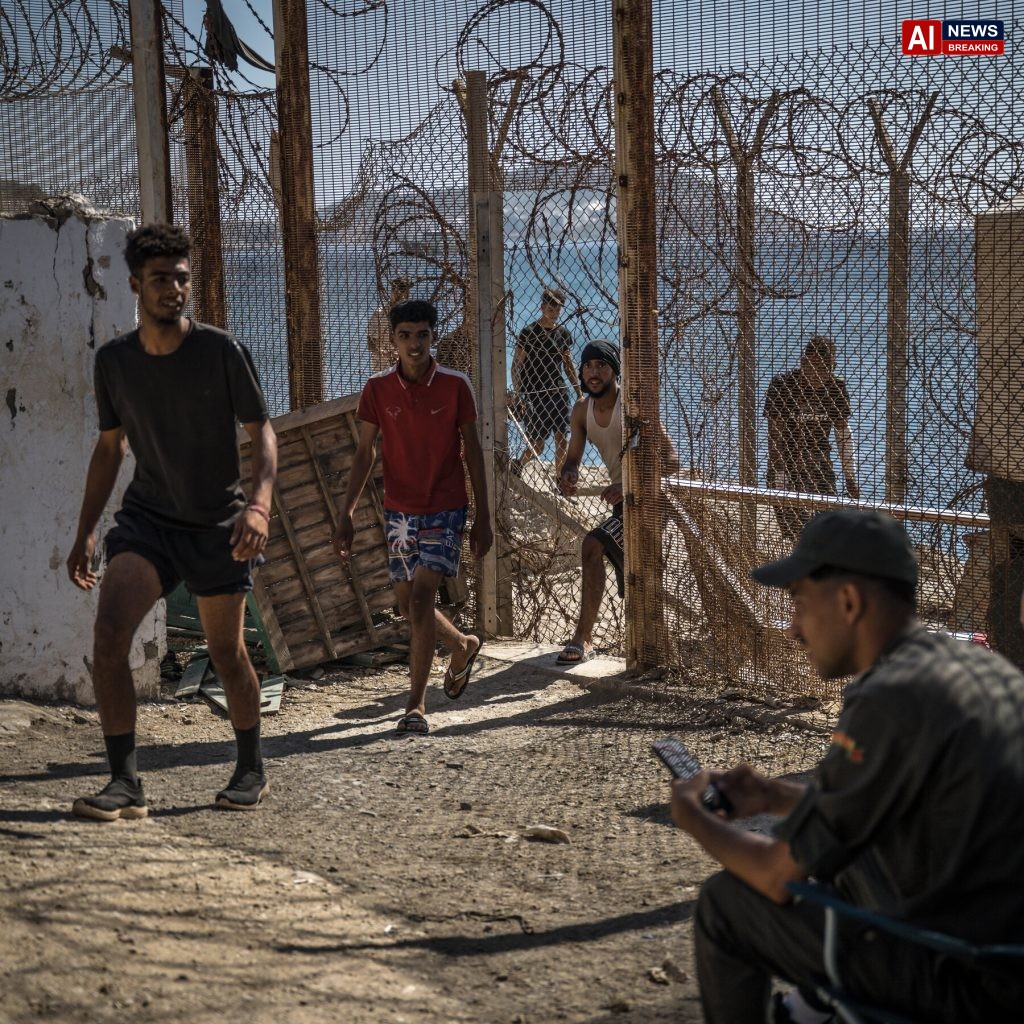
Youth Frustration and Migration Shadow Morocco’s Election In the run‑up to Morocco’s general election, a new wave of discontent has emerged among the country’s younger generations. The ongoing migration crisis at the Spanish enclave of Ceuta, coupled with chronic unemployment and a perception of neglected public services, has amplified the voices of Gen Z protesters. These factors have not only shaped the political discourse but also raised concerns that a significant portion of young voters may abstain from casting their ballots in the forthcoming polls..
Ceuta, a Spanish autonomous city bordering the Moroccan coast, has become a flashpoint for migration debates. In recent weeks, thousands of young Africans, many of them desperate to escape poverty and violence, have attempted to cross the narrow land bridge that connects the two sides. The border police’s heavy-handed responses and the subsequent media coverage have spotlighted the broader regional challenges of migration and integration..
Moroccan authorities, in turn, have pledged to strengthen cooperation with Spain to curb illegal crossings, while also promising reforms to improve domestic employment opportunities. The migration spectacle is just the tip of the iceberg. Across Morocco, youth unemployment remains stubbornly high, hovering around 25 % among those aged 18 to 24..
Despite a modest economic rebound following the pandemic, job creation has not kept pace with the expectations of a burgeoning demographic. Many young Moroccans find themselves locked out of formal employment, turning instead to informal work or entrepreneurial ventures that offer unstable incomes. The resulting frustration is palpable in cities such as Casablanca, Rabat, and Marrakech, where young people gather in public squares to voice their grievances..
Public services, too, are under scrutiny. Internet connectivity, healthcare access, and educational infrastructure are perceived as unevenly distributed, especially in rural and suburban areas. Youth activists have highlighted the inadequacies of public transport networks and the scarcity of modern recreational facilities, arguing that these shortcomings hinder personal development and limit future prospects..
The sense that the state has failed to provide essential services fuels a growing sentiment that the political system is out of touch with the needs of the younger generation. The political impact of these grievances cannot be understated. Historically, the Moroccan electorate has leaned heavily towards the ruling coalition, largely due to the monarchy’s influence and the absence of a strong opposition..
However, the recent demonstrations, which have been organized largely through social media platforms, suggest a shift in public opinion. Young protesters have demanded more transparent governance, the devolution of power to local authorities, and a comprehensive national strategy to tackle both migration and unemployment. One of the most striking developments has been the rise of digital activism..
Gen Z, fluent in multiple languages and highly connected, has used platforms such as Instagram, TikTok, and Twitter to organise rallies, share personal stories, and spread calls for political reform. This digital mobilisation has allowed a broader audience to engage with political issues, thereby challenging traditional media narratives. Nonetheless, the state’s response—ranging from social media monitoring to occasional crackdowns on peaceful demonstrations—has sparked concerns about the erosion of civil liberties..
In the face of this growing dissent, voter turnout among young Moroccans remains uncertain. Historical data indicate that electoral participation drops significantly among those under 25, with rates often below 40 %. Recent opinion polls suggest that the frustration expressed in the streets could translate into an even lower turnout, as many young people feel disillusioned with the prospects for meaningful change..
The election commission has warned that a low turnout could undermine the legitimacy of the forthcoming government, especially if the results are close. Political parties are responding in varied ways. The dominant party has pledged to launch a youth development program that promises job training, entrepreneurship grants, and expanded access to digital infrastructure..
Meanwhile, opposition groups have adopted a more radical stance, calling for a constitutional overhaul that would decentralise power and increase parliamentary oversight. Yet critics argue that both sides are offering platitudes rather than concrete solutions, thereby perpetuating the cycle of apathy among young voters. Economists caution that without substantial policy shifts, the migration issue could exacerbate social tensions..
The continued flow of migrants through Ceuta and other border points risks inflaming nationalist sentiments and could prompt stricter immigration controls. This, in turn, would limit opportunities for the local economy, especially in sectors that rely on migrant labour. The economic implications for Morocco’s young workforce are clear: without new job creation, the migration crisis may become a self‑reinforcing problem..
The monarchy’s role remains a pivotal factor in the political landscape. King Mohammed VI has long positioned himself as a stabilising force, but he is also aware that ignoring the concerns of youth could delegitimize his authority. Recent statements by the royal spokesperson suggest a willingness to engage with young leaders, yet concrete measures remain elusive..
The balance between preserving traditional governance structures and addressing the demands of a new generation will likely shape the country’s political trajectory in the coming years. International observers have taken note of the situation. European institutions, particularly the European Union, have expressed support for Morocco’s efforts to curb irregular migration, offering technical assistance and funding for job creation projects..
At the same time, human rights organisations have criticised the Moroccan government’s handling of protests, urging for greater protections of free expression and assembly. These external pressures could influence policy decisions, especially if Morocco seeks to maintain its strategic partnership with the EU. As the election approaches, the stakes for youth participation have never been higher..
If a substantial portion of the young electorate remains disengaged, the resulting government may lack a full mandate to pursue reforms that address migration, unemployment, and public service deficiencies. Conversely, a surge in youth turnout.
Updated: September 23, 2026
The surge of Gen Z unrest signals a tipping point: if the state fails to translate digital mobilization into tangible jobs and services, Morocco risks a legitimacy crisis that could erode the monarchy’s long‑standing grip. Conversely, a genuine youth‑focused policy shift—anchored in real economic opportunity and