Europe warns of Russia’s hybrid attacks but struggles to counter them
  Former chief election commissioner calls SIR scheme illegal.
  A Corruption Scandal Is Reshaping Brazil’s Presidential Election
  US citizen injured in Illinois after ICE agents mistook him for fugitive, tried to arrest him
  At 10 years old, Smithsonian’s Black museum is undaunted amid pressure from Trump administration
 EU Announces €458 Million Humanitarian Aid Package for the Middle East Amid Escalating Crisis
The European Union has announced a €458 million humanitarian aid package to support millions of people in the Middle East affected by conflict, displacement, and economic instability, with a focus on emergency food assistance, healthcare, shelter, and protection for displaced populations.
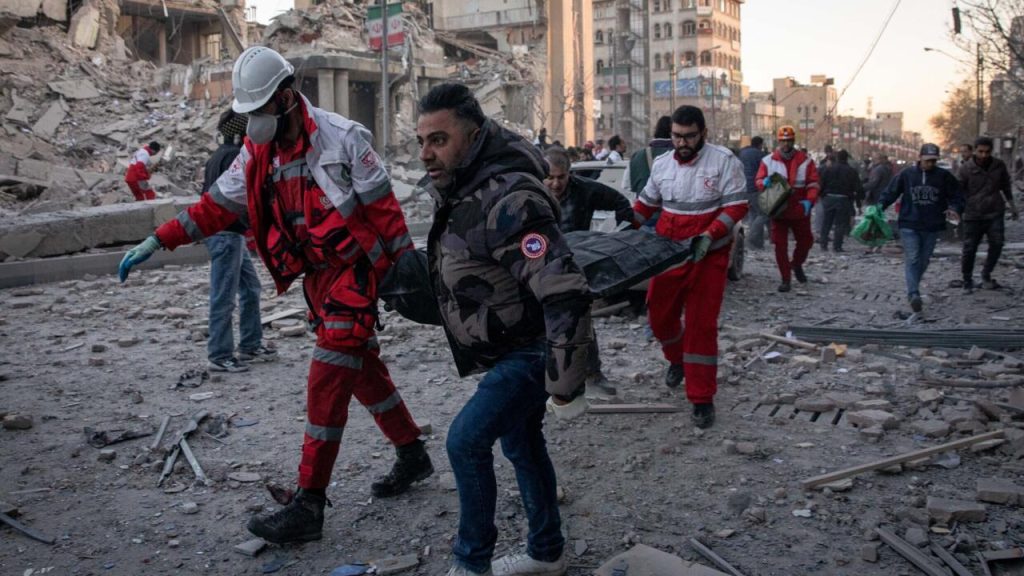
announces million humanitarian package:
The European Union has announced a major humanitarian assistance package worth €458 million aimed at addressing the growing humanitarian crisis across several countries in the Middle East. The funding is expected to support millions of vulnerable people affected by conflict, displacement, food shortages, and economic instability in the region.
The announcement comes at a time when humanitarian needs in the Middle East have reached critical levels due to prolonged conflicts, economic collapse, and ongoing geopolitical tensions. The aid package will primarily support emergency food assistance, healthcare services, shelter, and protection for displaced populations.
European officials stated that the new funding reflects the EU’s continued commitment to providing life-saving support to communities struggling with the consequences of war and instability.
Rising Humanitarian Needs in the Middle East
Over the past decade, the Middle East has faced a series of overlapping crises ranging from armed conflicts to economic challenges and climate-related pressures. Millions of people in countries such as Syria, Lebanon, Jordan, Iraq and Yemen continue to rely heavily on international humanitarian assistance.
The EU said the new funding will help humanitarian organizations deliver:
- Emergency food supplies
- Medical services and healthcare support
- Shelter for displaced families
- Clean drinking water and sanitation services
- Protection for vulnerable populations, including children and refugees
Officials stressed that the situation remains particularly severe in conflict-affected regions where infrastructure has been destroyed and essential services are limited or completely unavailable.
Allocation of the €458 Million Aid Package
According to EU officials, the humanitarian aid will be distributed across multiple countries in the Middle East based on the severity of needs and humanitarian priorities.
Support for Syria and Refugee-Hosting Countries
A significant portion of the funding will support humanitarian efforts related to the ongoing crisis in Syria, where millions remain displaced both internally and in neighboring countries.
Host countries such as Lebanon and Jordan continue to carry a substantial burden by hosting large numbers of Syrian refugees. The EU funding will help support both refugees and the communities that accommodate them.
Aid programs will focus on providing healthcare, education, and livelihood opportunities while ensuring essential services remain accessible.
Assistance for Yemen’s Severe Humanitarian Crisis
Another major share of the aid will go to Yemen, which remains one of the world’s worst humanitarian crises after years of war and economic collapse.
Millions of Yemenis face severe food insecurity and limited access to healthcare services. The EU’s funding aims to support emergency nutrition programs, clean water initiatives, and medical treatment for vulnerable populations.
Humanitarian organizations working on the ground have warned that without sustained international assistance, the situation in Yemen could deteriorate further.
Support for Displaced People in Iraq
Funding will also be directed toward humanitarian programs in Iraq, where many communities are still recovering from years of conflict and displacement.
Although security conditions have improved in some areas, thousands of families remain internally displaced and continue to depend on humanitarian support for housing, healthcare, and food.
EU officials said the funding will help provide both immediate assistance and longer-term recovery programs.
EU’s Role as a Major Global Humanitarian Donor
The European Union remains one of the largest providers of humanitarian aid worldwide. Through its humanitarian assistance programs, the bloc supports people affected by natural disasters, conflicts, and economic crises across multiple regions.
EU humanitarian funding is typically implemented through international organizations such as:
- United Nations agencies
- International humanitarian NGOs
- The International Committee of the Red Cross
These organizations work directly with affected communities to ensure aid reaches those who need it most.
The EU also emphasizes strict monitoring and transparency mechanisms to ensure that humanitarian assistance is delivered effectively and responsibly.
Addressing Food Security and Healthcare Challenges
One of the key priorities of the new aid package is addressing the widespread problem of food insecurity across the Middle East.
Several countries in the region have experienced rising food prices, supply disruptions, and economic instability. Combined with conflict and displacement, these factors have left millions of people struggling to meet basic nutritional needs.
The EU’s funding will support food assistance programs and nutrition initiatives aimed at preventing malnutrition, particularly among children and pregnant women.
Healthcare is another major focus. Many hospitals and medical facilities in conflict-affected areas face shortages of medicines, equipment, and trained staff. The aid package will help strengthen healthcare systems by funding medical supplies, mobile clinics, and vaccination programs.
Focus on Protection and Education
Beyond immediate humanitarian assistance, the EU has emphasized the importance of protecting vulnerable groups, particularly children and women.
Humanitarian programs supported by the funding will include:
- Child protection services
- Support for survivors of gender-based violence
- Access to education for displaced children
Education initiatives are particularly critical, as millions of children in conflict-affected regions have missed years of schooling due to displacement and instability.
Providing educational opportunities helps prevent long-term social and economic challenges while giving children a sense of normalcy during crises.
Growing Pressure on Host Countries
Countries such as Lebanon and Jordan have hosted millions of refugees over the years, placing significant pressure on their economies and public services.
The EU said part of the aid package will support these host countries by helping strengthen public services, including healthcare systems, schools, and local infrastructure.
Officials noted that supporting host communities is essential for maintaining social stability and ensuring that both refugees and local populations have access to essential services.
Humanitarian Challenges Amid Ongoing Conflicts
Despite ongoing diplomatic efforts, conflicts in parts of the Middle East continue to drive displacement and humanitarian needs.
In Syria, more than a decade of war has devastated infrastructure and forced millions of people to flee their homes.
Meanwhile, the conflict in Yemen has led to widespread hunger and one of the world’s largest humanitarian emergencies.
Humanitarian organizations have repeatedly warned that without sustained international support, millions of people could face worsening conditions.
EU Calls for International Cooperation
Alongside the announcement of the aid package, EU officials called on the international community to increase humanitarian funding and strengthen cooperation to address the region’s challenges.
They emphasized that humanitarian assistance alone cannot resolve the underlying causes of crises. Long-term solutions require diplomatic efforts, economic support, and political stability.
The EU also reaffirmed its commitment to working with global partners to promote peace, stability, and sustainable development in the Middle East.
Impact of the Aid Package
The €458 million aid package is expected to support millions of people across the region by ensuring continued access to essential services.
Humanitarian agencies say the funding will help:
- Provide food and nutrition assistance to vulnerable families
- Deliver healthcare and medical supplies to crisis-affected areas
- Offer shelter and protection for displaced populations
- Improve access to education and social services
By addressing urgent humanitarian needs, the EU hopes to prevent further deterioration of living conditions in the region.