 Moscow claims Kiev seeks to provoke war with UK; UK denies
  UK bans visas for Israeli settlers accused of violence.
  Matcha popularity rises in India.
  Namma BMTC 2.0 app brings bus and metro ticketing and live-tracking under one platform
  Trump’s 5,000 ‘Dividend’ Promise Sparks Bribery Claims as GOP Faces Crucial Midterms
 Moscow claims Kiev seeks to provoke war with UK; UK denies
Moscow claims Kyiv is working with British diplomats to engineer a false‑flag incident that would force Russia into a direct military confrontation with the UK—an allegation the United Kingdom and Ukraine dismiss as baseless propaganda.
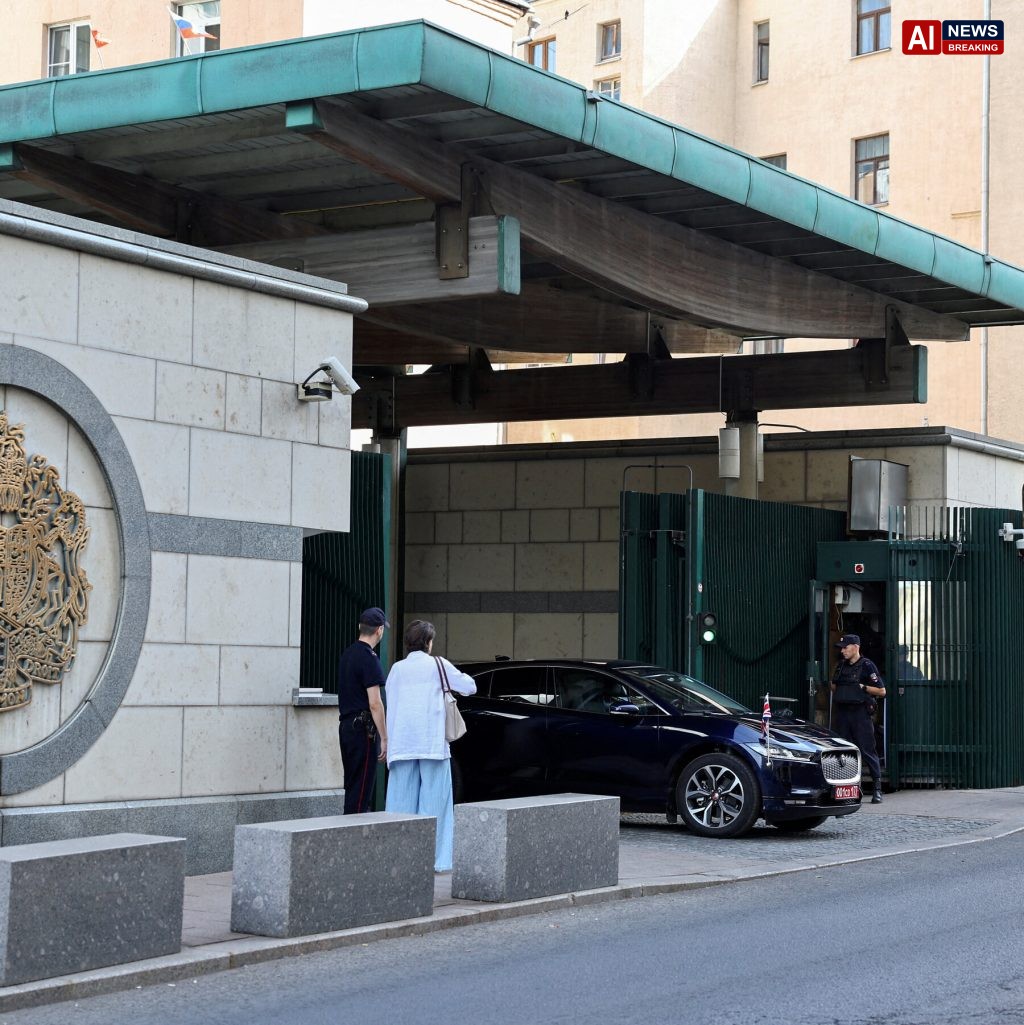
Moscow Claims Ukraine Sought to Start a War Between Russia and the U.K. - AI News Breaking
Moscow has alleged that Kyiv is attempting to engineer a direct confrontation between Russia and the United Kingdom, a claim that has been met with scepticism by Western officials and analysts. The Russian Foreign Ministry issued a statement on Tuesday asserting that Ukrainian officials had been in contact with British diplomats to discuss “ways to provoke a war” that would force Russia to confront the United Kingdom militarily. According to the statement, the alleged plan involved the use of “false‑flag” operations and the staging of incidents in the Black Sea region, designed to compel Moscow to respond with force against British naval assets..
The accusation forms part of a broader narrative that Russia has been pushing in recent weeks, portraying Ukraine’s diplomatic outreach as a covert attempt to drag Russia into a wider conflict with its NATO allies.The British government rejected the allegation outright, describing it as “baseless propaganda” intended to sow discord between Kyiv and its Western partners. In a press briefing, the Foreign Office spokesperson said that the United Kingdom maintains a clear and transparent policy of supporting Ukraine’s sovereignty and territorial integrity, and that any discussions with Ukrainian officials focus on diplomatic, humanitarian and economic assistance, not on military provocation. “We have no intention, nor any plan, to involve the UK in a direct military clash with Russia,” the spokesperson added, emphasizing that the UK remains committed to de‑escalation and to upholding international law.Ukraine’s foreign ministry also dismissed Moscow’s claims, labeling them as part of an “ongoing disinformation campaign” aimed at undermining Kyiv’s relationships with its allies..
In a statement released in Kyiv, the ministry said that Ukrainian officials have consistently sought to engage the United Kingdom and other NATO members through official channels to secure defensive aid and training for Ukrainian forces, especially in the face of Russia’s sustained missile and artillery bombardments. The statement warned that Russian attempts to portray Ukraine as an aggressor could erode the unity of the international coalition that has provided billions of pounds in military and economic support since the invasion began in February 2022.Analysts say the accusation fits a pattern of Russian information operations that aim to create a sense of mistrust among the network of countries backing Ukraine. Dr Elena Markova, a senior fellow at the European Centre for Counter‑Disinformation, noted that “the Russian narrative often seeks to shift the blame for ongoing hostilities onto Ukraine, portraying it as the instigator of a larger war that could involve NATO.” She added that such narratives are designed to exploit existing political fault lines, particularly in countries where public opinion about the conflict remains divided..
“By suggesting that Kyiv is trying to pit Russia against the UK, Moscow hopes to generate doubt about the legitimacy of Ukrainian diplomatic outreach and to pressure Western governments into a more cautious stance,” Markova said.The British defence establishment has been openly discussing the possibility of increasing its naval presence in the Black Sea to deter further Russian aggression. In a recent interview, the Chief of the Defence Staff highlighted the importance of maintaining freedom of navigation for commercial vessels and underscored the role of allied warships in providing a “visible deterrent.” While the UK has not deployed combat vessels directly into contested waters, it has participated in joint exercises with NATO partners and contributed to the broader maritime security framework that monitors Russian naval activity. These actions, however, have been framed by Moscow as evidence of Western encroachment, feeding into the narrative that the UK is actively seeking confrontation.In response to the Russian claim, the United Kingdom’s Prime Minister issued a statement reaffirming the country’s commitment to a “rules‑based international order” and to supporting Ukraine’s right to self‑defence..
The prime minister stressed that the UK’s policy is guided by “clear, lawful objectives” and that any escalation of the conflict must be avoided. The statement also called on Russia to cease its “unrelenting attacks on civilian infrastructure” and to engage in genuine diplomatic negotiations, echoing the language used in recent UN Security Council resolutions that condemn the ongoing hostilities.The United Nations has continued to document the humanitarian toll of the war, with recent reports indicating that civilian casualties in eastern Ukraine have risen sharply in the past month. The UN Office for the Coordination of Humanitarian Affairs warned that the displacement of people from conflict zones is reaching “critical levels,” prompting calls for unimpeded humanitarian corridors..
While the UN has not directly addressed the Moscow‑Kyiv‑UK narrative, its officials have repeatedly highlighted the dangers of misinformation that can obstruct relief efforts and impede diplomatic progress.Western intelligence agencies have reportedly been monitoring Russian disinformation campaigns aimed at Ukraine and its allies. A senior source familiar with the matter, speaking on condition of anonymity, disclosed that Russian state media outlets have been amplifying the claim that Ukraine is seeking to start a war with the UK, using selective quotations and fabricated documents to lend an air of credibility. The source warned that such tactics are intended to “create confusion and erode trust” among partners, especially as the war enters its third year and public fatigue grows.In Kyiv, the government has called for a coordinated response to what it describes as “information warfare” launched by Moscow..
President Volodymyr Zelenskyy, in a televised address, urged European leaders to stand firm against Russian attempts to “divide and weaken” the coalition supporting Ukraine. He reiterated that Ukraine remains open to diplomatic dialogue but will not be coerced into abandoning its defense strategy. The president also highlighted ongoing reforms within Ukraine’s own media landscape, aimed at improving resilience against foreign propaganda and strengthening factual reporting.The episode underscores the complex interplay between military strategy, diplomatic outreach and the information battlefield that has become a central feature of the Russia‑Ukraine war..
As NATO members debate the scope of future assistance, including potential upgrades to air‑defence systems and additional financial aid, the narrative battle continues to shape perceptions on both sides. While Moscow seeks to portray Kyiv as the aggressor attempting to drag the UK into conflict, Western governments maintain that their support for Ukraine is rooted in legal and moral imperatives, not in a desire for escalation. The coming weeks are likely to see further contestation of narratives, as each side attempts to influence both domestic audiences and the broader international community..
Updated: September 10, 2026
Moscow’s baseless allegations that Kyiv is plotting a false-flag war with Britain were swiftly dismissed by Western leaders as propaganda. Analysts warn such claims aim to fracture the alliance backing Ukraine amid ongoing diplomatic and military tensions.
Insight: Moscow’s fabrication of a UK confrontation plot reveals a strategic pivot toward fracturing the Allied coalition through psychological warfare rather than battlefield gains. This disinformation campaign targets Western political fault lines, aiming to exploit public fatigue and isolate Ukraine amidst growing humanitarian crises.