Europe warns of Russia’s hybrid attacks but struggles to counter them
  Former chief election commissioner calls SIR scheme illegal.
  A Corruption Scandal Is Reshaping Brazil’s Presidential Election
  US citizen injured in Illinois after ICE agents mistook him for fugitive, tried to arrest him
  At 10 years old, Smithsonian’s Black museum is undaunted amid pressure from Trump administration
 US Bombers Launch from RAF Fairford as Iraq War Fears Resurface Amid Rising Middle East Tensions
The sight of American strategic bombers taking off from RAF Fairford has stirred memories of the Iraq War, as tensions escalate in the Middle East and the US reinforces its military presence in the region, sparking fears of another conflict.
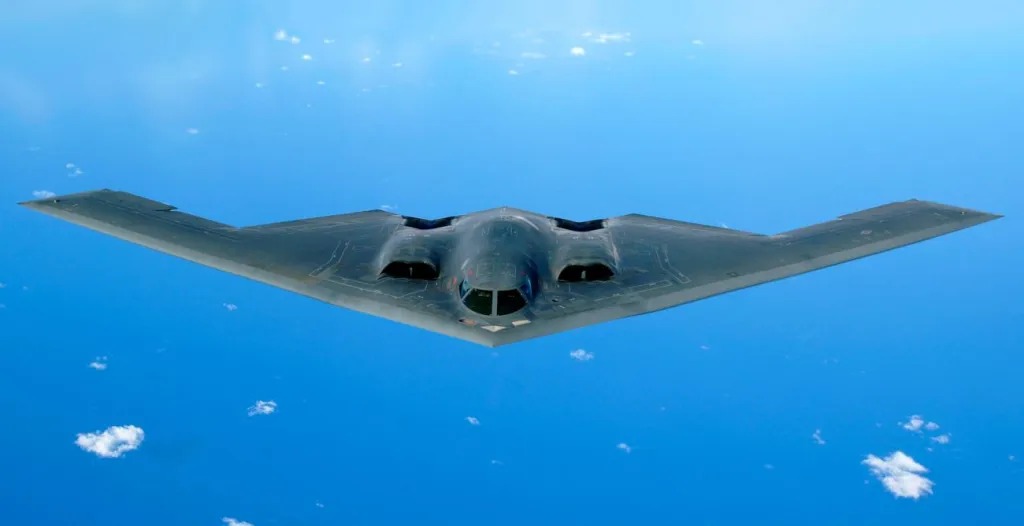
bombers launch fairford iraq:
The sight—and sound—of American strategic bombers lifting off from RAF Fairford has once again stirred memories of a conflict that reshaped the Middle East and global geopolitics: the Iraq War.
As tensions escalate across the region, the renewed deployment of U.S. long-range bombers from British soil is being widely interpreted as more than a routine military exercise. For many observers, it signals a familiar and ominous pattern—one that echoes the early stages of the 2003 invasion of Iraq.
Strategic Bombers Return to a Historic Launchpad
Over the past week, multiple U.S. Air Force bombers—believed to include the B-52 Stratofortress and possibly the stealth B-2 Spirit—have been deployed to RAF Fairford, a key forward operating base for American forces in Europe.
RAF Fairford has long played a pivotal role in U.S. military operations:
- It served as a launch base during the Kosovo conflict
- It was instrumental during the early days of the Iraq War
- It continues to support NATO strategic missions
The return of these bombers is therefore not just symbolic—it carries operational significance.
Echoes of 2003: Why This Feels Familiar
For military analysts and policymakers alike, the current developments are triggering comparisons with the lead-up to the Iraq War.
Back in 2003:
- U.S. bombers were forward-deployed to the UK
- Diplomatic tensions escalated rapidly
- Intelligence narratives shaped public perception
- Military assets quietly moved into position before major strikes began
Today, similar patterns are emerging:
- Increased U.S. military presence in Europe and the Middle East
- Rising tensions involving Iran and its regional allies
- Heightened rhetoric from Western leaders
- Strategic positioning of airpower
While no official declaration of war has been made, the parallels are difficult to ignore.
What Triggered the Current Escalation?
The latest developments come amid a sharp deterioration in regional stability following a series of high-profile incidents, including:
- Targeted strikes on Iranian leadership
- Rising proxy conflicts across the Middle East
- Increased attacks on shipping routes and military bases
The United States, under pressure to maintain strategic dominance and protect its allies, appears to be reinforcing its military posture.
Why RAF Fairford Matters
RAF Fairford is uniquely suited for strategic bomber operations:
- Its long runway can accommodate heavy bombers
- It has specialized infrastructure for nuclear-capable aircraft
- It offers a direct launch corridor toward the Middle East
From Fairford, U.S. bombers can reach targets across:
- The Persian Gulf
- North Africa
- Eastern Europe
This makes it a critical node in any large-scale air campaign.
Message to Allies—and Adversaries
The deployment of bombers is not just about military readiness—it’s also about signaling.
To Allies:
- Assurance of U.S. commitment to regional security
- Reinforcement of NATO cooperation
To Adversaries:
- A demonstration of rapid strike capability
- A warning against further escalation
In particular, the move is seen as a direct signal to Iran, which has been at the center of recent geopolitical tensions.
Public and Political Reactions
The renewed activity at RAF Fairford has sparked debate in both the UK and the US.
In the United Kingdom:
- Concerns over being drawn into another Middle East conflict
- Questions about parliamentary oversight
- Anti-war groups recalling the consequences of the Iraq War
In the United States:
- Supporters argue it is necessary for deterrence
- Critics warn of repeating past mistakes
The shadow of the Iraq War looms large, influencing public perception and political discourse.
Could This Lead to Another War?
While the presence of bombers does not automatically mean war is imminent, it significantly raises the stakes.
Military experts suggest three possible scenarios:
1. Deterrence Only
The deployment may be intended to prevent conflict by demonstrating strength.
2. Limited Strikes
Targeted operations against specific threats, similar to past actions in the region.
3. Full-Scale Conflict
A broader military campaign, though this remains the least likely but most concerning possibility.
Lessons from the Iraq War
The Iraq War left a lasting legacy:
- Regional instability that persists today
- Questions over intelligence and decision-making
- Long-term human and economic costs
These lessons are shaping current debates and influencing how governments approach the present crisis.