Europe warns of Russia’s hybrid attacks but struggles to counter them
  Former chief election commissioner calls SIR scheme illegal.
  A Corruption Scandal Is Reshaping Brazil’s Presidential Election
  US citizen injured in Illinois after ICE agents mistook him for fugitive, tried to arrest him
  At 10 years old, Smithsonian’s Black museum is undaunted amid pressure from Trump administration
 Gujarat Launches Massive Statewide Vaccination Drive to Combat Foot-and-Mouth Disease in Livestock
In a bid to prevent the spread of Foot-and-Mouth Disease, the Gujarat government has launched a massive statewide vaccination campaign, targeting over 20 million livestock animals, including cattle, buffaloes, sheep, and goats, to protect the rural economy and ensure the long-term health and productivity of the state’s livestock population.
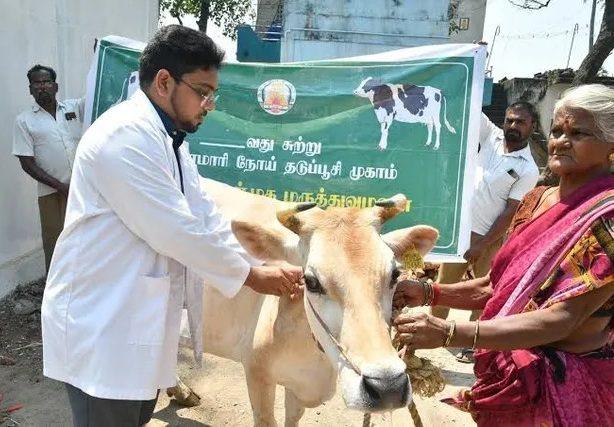
In a decisive move to protect livestock health and strengthen the rural economy, the government of Gujarat has launched a massive statewide vaccination campaign against Foot-and-Mouth Disease (FMD). The initiative aims to immunize millions of cattle, buffaloes, sheep, and goats, marking one of the largest coordinated animal health programs undertaken in the state.
The campaign comes at a crucial time when concerns over the spread of this highly contagious disease have resurfaced in several parts of India. By rolling out a comprehensive vaccination strategy, Gujarat is positioning itself at the forefront of livestock disease prevention while safeguarding farmer livelihoods.
What is Foot-and-Mouth Disease?
Foot-and-Mouth Disease is a severe viral infection that affects cloven-hoofed animals such as cows, buffaloes, pigs, sheep, and goats. It spreads rapidly through direct contact, contaminated equipment, feed, and even via the air under favorable conditions.
The disease is characterized by fever, painful blisters in the mouth and on the feet, excessive salivation, and lameness. Infected animals often experience a sharp decline in milk production and overall productivity. While adult animals usually survive, the disease can be fatal for young livestock.
Beyond animal health, FMD poses a serious economic threat. Farmers face reduced income due to lower milk yield, weight loss in animals, and restrictions on trade and transportation of livestock. In severe outbreaks, entire communities dependent on dairy farming can suffer long-term financial losses.
Scale of the Vaccination Campaign
The government of Gujarat has set an ambitious target of vaccinating more than 2 crore (20 million) livestock animals during this campaign. The drive is being conducted in phases to ensure maximum coverage across all districts, including rural, tribal, and remote areas.
Thousands of veterinary professionals, including doctors and para-veterinary workers, have been deployed to carry out the vaccination process. Mobile veterinary units are playing a crucial role in reaching villages where access to healthcare facilities is limited.
Importantly, the vaccination is being provided free of cost, ensuring that even small and marginal farmers can participate without financial burden. This inclusive approach is expected to significantly boost vaccination coverage and reduce the risk of disease outbreaks.
Government Strategy and Execution
The vaccination drive is being implemented under a well-coordinated framework involving multiple departments and agencies. The animal husbandry department of Gujarat is leading the initiative, supported by local administrative bodies and veterinary institutions.
Authorities have introduced digital tools to track the progress of the campaign in real time. Each vaccinated animal is being recorded in a centralized database, allowing officials to monitor coverage and identify areas that require additional attention.
The campaign also includes awareness programs designed to educate farmers about the importance of vaccination, early detection of symptoms, and preventive measures. These efforts are crucial in ensuring long-term success and sustainability.
Importance for Gujarat’s Dairy Sector
Livestock is a cornerstone of the rural economy in Gujarat. The state is a major contributor to India’s dairy production, with millions of farmers relying on cattle and buffaloes for their livelihood.
The success of dairy cooperatives like Amul has transformed Gujarat into a leading dairy hub. However, diseases like FMD pose a constant threat to this success.
An outbreak can drastically reduce milk production, disrupt supply chains, and lead to financial instability for farmers. By preventing such outbreaks, the vaccination drive aims to ensure steady milk production and protect the dairy industry from potential losses.
Farmer Awareness and Participation
One of the key components of the campaign is farmer engagement. Authorities are conducting awareness drives through village meetings, local media, and digital platforms to inform farmers about the benefits of vaccination.
Farmers are being encouraged to cooperate with veterinary teams and ensure that their animals are vaccinated on schedule. Many farmers have welcomed the initiative, recognizing the long-term benefits of disease prevention.
In areas that have previously experienced FMD outbreaks, the response has been particularly positive. Farmers who have suffered losses in the past are more aware of the importance of timely vaccination and are actively participating in the campaign.
Challenges in Implementation
Despite the scale and planning, the vaccination drive faces several challenges:
- Reaching remote areas: Ensuring coverage in tribal and geographically difficult regions
- Maintaining cold chain: Preserving vaccine quality during transportation and storage
- Data management: Tracking millions of animals accurately
- Awareness gaps: Addressing misinformation and reluctance among some farmers
The government is addressing these challenges through better logistics, training programs, and the use of technology.
National Efforts and Policy Alignment
The initiative in Gujarat aligns with the Government of India’s broader goal of eradicating Foot-and-Mouth Disease by 2030. Nationwide vaccination programs and surveillance systems are being strengthened to achieve this objective.
Gujarat’s large-scale campaign is being seen as a model for other states. Its focus on technology, community participation, and efficient execution could provide valuable insights for similar initiatives across the country.
Economic Impact of Disease Control
Preventing FMD outbreaks has significant economic benefits. Healthy livestock means higher productivity, better quality dairy products, and increased income for farmers.
The vaccination drive is expected to:
- Boost milk production
- Improve animal health and longevity
- Enhance market confidence
- Reduce financial losses due to disease
In the long run, these benefits will contribute to rural development and economic stability.
Role of Technology in the Campaign
Technology is playing a vital role in the success of the vaccination drive. Digital platforms are being used to:
- Register vaccinated animals
- Monitor progress in real time
- Manage vaccine inventory
- Communicate with field workers and farmers
These innovations are improving efficiency and ensuring that the campaign is executed smoothly.
Global Perspective on FMD
Foot-and-Mouth Disease is a global concern, affecting livestock industries in many countries. Nations that have successfully controlled the disease have done so through sustained vaccination programs and strict biosecurity measures.
For India, controlling FMD is essential not only for domestic economic stability but also for expanding export opportunities in dairy and livestock products.