Europe warns of Russia’s hybrid attacks but struggles to counter them
  Former chief election commissioner calls SIR scheme illegal.
  A Corruption Scandal Is Reshaping Brazil’s Presidential Election
  US citizen injured in Illinois after ICE agents mistook him for fugitive, tried to arrest him
  At 10 years old, Smithsonian’s Black museum is undaunted amid pressure from Trump administration
 Hungary Election 2026: Post-Election Turmoil Looms as Orbán and Magyar Clash
Hungary’s upcoming election is marked by concerns of post-election turmoil, with Viktor Orbán’s potential defeat sparking fears of a contested result and disruption to the transfer of power, as tensions rise between Orbán and Péter Magyar.
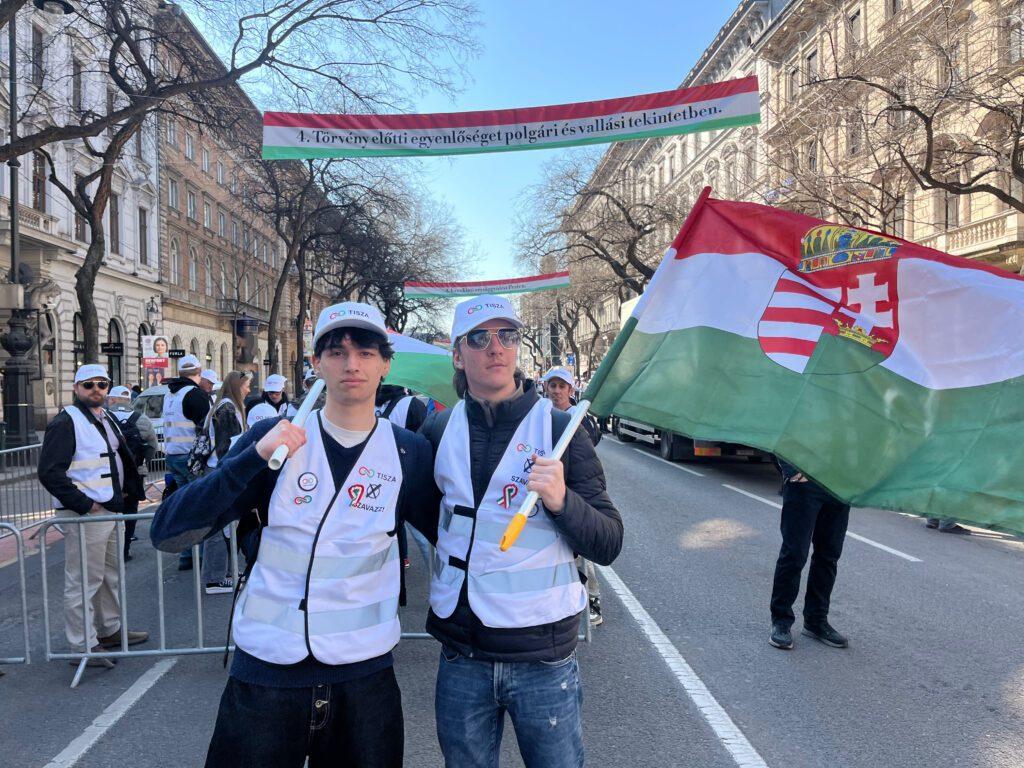
hungary election 2026 postelection:
As Hungary heads toward next month’s election, the focus in Budapest is already shifting to the days after the vote, and how the loser might respond. With the campaign already marked by accusations of bias, smear tactics, and manipulated polls, concern in Hungary is growing that the aftermath could be contentious, with the losing side contesting the result. According to Zsuzsanna Szelényi, a former Fidesz lawmaker, if Péter Magyar wins, Viktor Orbán could be tempted to disrupt or even block the transfer of power.
Orbán’s supporters point to the prime minister’s past as proof that he is ready to accept the result of an election, citing his comeback eight years after being voted out in 2002. However, Szelényi is not convinced, warning that Orbán could engineer a constitutional crisis and declare an emergency if Magyar wins a simple majority. She believes that Orbán will have the tools to make it almost impossible for a new government to be formed or for a new parliament to be convened.
The campaign has already turned acrimonious, with competing claims about the legitimacy of the process. Surveys by independent and Tisza-friendly pollsters have Magyar’s movement ahead on average by 8 to 10 percentage points, while others show Orbán’s party with a comfortable lead. The pollsters point to methodological reasons behind the divergence, but supporters on both sides have accused their opponents of fabricating surveys and trying to shape public opinion.
Gábor Tóka, a political scientist at Central European University, predicts that Orbán can be expected to contest an unfavorable result, possibly by challenging the vote in districts and encouraging street protests to frame the result as illegitimate. This could lead to unrest, not just from Orbán’s supporters but also from Magyar’s, given the high expectations driven by Tisza-friendly polls. The prospect of post-election turmoil is rising, with some fearing that the outcome could be disputed and the transfer of power disrupted.
The past behavior of Orbán provides clues about how he might react to a defeat, according to Szelényi. She recalls how Fidesz took politics to the streets and used obstructionist tactics in parliament after losing the 2006 election. Orbán is likely to repeat this playbook, making life difficult for Magyar to govern without a two-thirds majority. However, even some of Orbán’s fiercest critics doubt he would go so far as to claim outright that the election had been stolen, given the potential damage to his chance of a political comeback.