Europe warns of Russia’s hybrid attacks but struggles to counter them
  Former chief election commissioner calls SIR scheme illegal.
  A Corruption Scandal Is Reshaping Brazil’s Presidential Election
  US citizen injured in Illinois after ICE agents mistook him for fugitive, tried to arrest him
  At 10 years old, Smithsonian’s Black museum is undaunted amid pressure from Trump administration
 Maharashtra on High Alert After Drone Threat to Four Thermal Power Stations in Vidarbha
Maharashtra is on high alert after four major thermal power stations received an email threatening drone attacks, triggering a large-scale security response and tighter restrictions around critical energy infrastructure, with authorities treating the threat as credible and taking swift action to prevent any potential disruption.
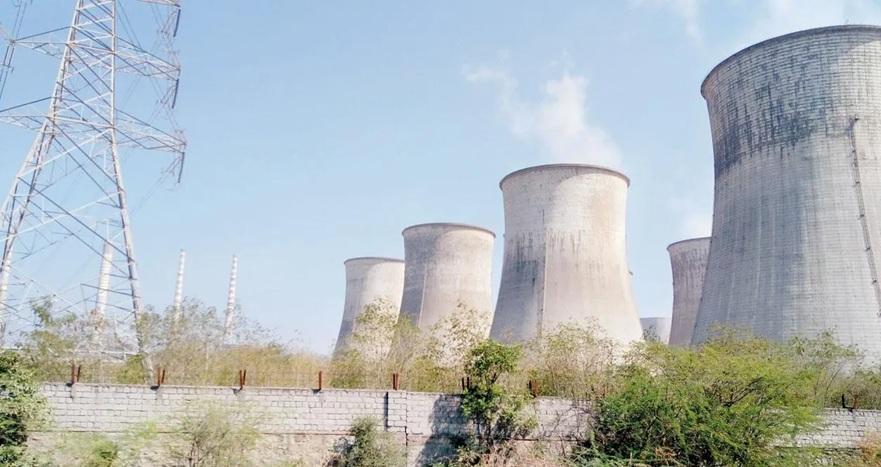
maharashtra high alert drone:
Maharashtra has been placed on high alert after four major thermal power stations in the state’s Vidarbha region received an email threatening drone attacks, prompting a large-scale security response and tighter restrictions around critical energy infrastructure.
According to an NDTV report published on March 18, 2026, the threat email triggered an immediate five-hour search operation at all four power stations and nearby areas. Authorities found nothing suspicious during the searches, but security has since been significantly strengthened as a precaution.
The alert has raised fresh concerns over the vulnerability of key public infrastructure at a time when drone-related threats are being treated with far greater seriousness across India and the wider region. NDTV reported that the four plants are located in Maharashtra’s power-sensitive Vidarbha belt, an important industrial and electricity-generating zone, making the threat particularly sensitive from an energy security standpoint.
Officials moved quickly after the message was received. Security agencies launched coordinated checks at the thermal stations and their surrounding perimeters, while local police and administrative authorities stepped up vigilance. The report said strict restrictions have now been imposed on the flying of drones in the vicinity of all four installations.
Even though no explosive device, suspicious drone activity or visible security breach was detected during the initial combing operations, authorities are treating the message as a serious threat rather than a hoax to be dismissed casually. That approach reflects a broader shift in security thinking, where emailed threats involving drones are increasingly seen as credible enough to warrant rapid emergency action, especially when strategic infrastructure is involved.
Thermal power stations are considered high-value targets because any successful strike, even a limited one, could create major disruption. Beyond the immediate physical damage, an attack on such facilities can affect electricity generation, industrial supply chains, local administration and public confidence. In a state like Maharashtra, where power demand remains consistently high, threats against multiple plants at once inevitably trigger a wider security response.
The Vidarbha region’s importance adds to the seriousness of the alert. The area hosts several major power-generation assets and plays a crucial role in supporting Maharashtra’s energy needs. A threat to four plants simultaneously suggests either an attempt to cause panic or a deliberate effort to test the state’s preparedness around critical infrastructure. At this stage, though, the available public reporting does not identify the sender or establish whether the threat was linked to any organised group.
Authorities are now likely to focus on two parallel tracks: first, maintaining heightened on-ground security at the plants, and second, tracing the origin of the threatening email. In such cases, investigators typically examine digital routing, sender identity, language patterns and any overlap with previous threat communications. Publicly, however, no official attribution has yet been reported in the available coverage.
The incident comes at a time when drone warfare and drone-enabled sabotage are receiving increased attention globally. Conflicts in the Middle East and elsewhere have demonstrated how drones can be used not only on battlefields but also against energy facilities, government sites and transport networks. Against that backdrop, even unverified threats are more likely to be treated as operationally significant.
For Maharashtra, the immediate priority appears to be prevention. By restricting drone movement near the plants and deploying stronger security measures, authorities are aiming to reduce risk while the investigation continues. The fact that searches did not uncover anything suspicious may offer some reassurance, but it has not been enough to lower the alert level.
The episode also underlines how the threat landscape around civilian infrastructure is changing. Power plants, refineries, airports and data centres are increasingly being viewed through a national security lens, especially when low-cost aerial threats such as drones can potentially bypass traditional perimeter systems. The response in Maharashtra suggests officials are aware that even a rumour of such an attack can carry serious consequences.
For now, the situation remains precautionary rather than confirmed as an active attack plot. What is clear is that the state government and security agencies are not taking chances. Maharashtra remains on alert, drone activity around the four thermal power stations has been tightly restricted, and the investigation into the threat message is expected to continue until officials are satisfied there is no immediate danger.