Europe warns of Russia’s hybrid attacks but struggles to counter them
  Former chief election commissioner calls SIR scheme illegal.
  A Corruption Scandal Is Reshaping Brazil’s Presidential Election
  US citizen injured in Illinois after ICE agents mistook him for fugitive, tried to arrest him
  At 10 years old, Smithsonian’s Black museum is undaunted amid pressure from Trump administration
 Middle East Crisis Updates: Pentagon Seeks $200 Billion for Iran War as Tehran Retaliates After Israeli Strike on South Pars Gas Field
The Middle East crisis has entered a dangerous phase, with the Pentagon seeking $200 billion in extra funding for the Iran war, while Tehran retaliates against an Israeli strike on the critical South Pars gas field, threatening global energy supplies and stability.
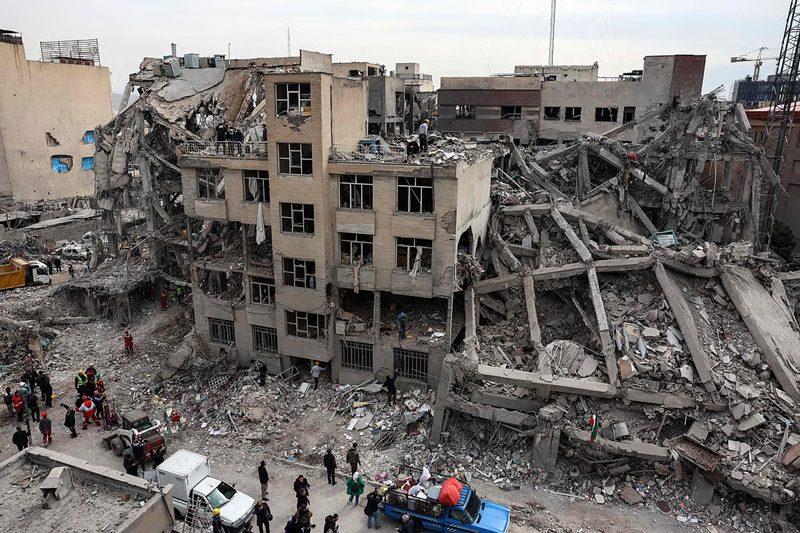
The Middle East crisis has entered a far more dangerous phase, with reports saying the Pentagon has asked the White House for more than $200 billion in extra funding for the Iran war, while Tehran has retaliated after an Israeli strike on Iran’s South Pars gas field, one of the world’s most critical energy sites.
According to Reuters, the Pentagon’s request for fresh war funding would still need White House approval before going to Congress, underlining the huge financial scale of the conflict now unfolding. At the same time, the military and political fallout is widening across the region, with pressure building in Washington over the cost and legal basis of the war.
The immediate trigger for the latest escalation was the strike on South Pars, the giant gas field shared by Iran and Qatar. Reports say the attack hit a vital energy asset that had largely been seen as too sensitive to target because of the risk of triggering a major global energy shock.
After the strike, Tehran warned Gulf energy sites to evacuate and signaled retaliation against infrastructure in Saudi Arabia, the UAE, and Qatar. Reuters reported that these warnings were followed by missile attacks and mounting disruption around key regional energy hubs, sharply raising fears for oil and LNG supplies.
The broader economic impact is already being felt. Oil prices jumped sharply, with Brent crude moving toward or above $110 a barrel in multiple reports, as traders reacted to the possibility of a deeper regional war and threats to energy transit routes and production centers.
The Guardian’s live coverage said Iran’s retaliation included missile attacks targeting energy infrastructure in Qatar and the UAE, while Qatar condemned the escalation and wider regional governments reacted with alarm. The conflict is no longer confined to direct Israel-Iran exchanges; it is now affecting neighboring states and the wider global economy.
Another major concern is the effect on global gas supplies. Reuters reported that the crisis around South Pars and nearby facilities threatens LNG production and could disrupt a significant share of global supply if attacks continue or shutdowns stretch on.
In political terms, the reported Pentagon funding request comes as U.S. lawmakers are already deeply divided over the war. Separate reporting shows Senate Republicans blocked an effort to limit President Donald Trump’s war powers on Iran, even as questions continue over the intelligence basis for the campaign.
Taken together, these developments show a conflict moving into a more expensive, more regional, and more economically damaging stage. The combination of a $200 billion U.S. war funding request, an Israeli strike on South Pars, and Iranian retaliation against Gulf-linked energy infrastructure marks one of the most serious escalations in the crisis so far.