Europe warns of Russia’s hybrid attacks but struggles to counter them
  Former chief election commissioner calls SIR scheme illegal.
  A Corruption Scandal Is Reshaping Brazil’s Presidential Election
  US citizen injured in Illinois after ICE agents mistook him for fugitive, tried to arrest him
  At 10 years old, Smithsonian’s Black museum is undaunted amid pressure from Trump administration
 World’s Largest LNG Plant in Qatar Hit by Iranian Missile, Fire Erupts at Ras Laffan Amid Gulf Energy Crisis
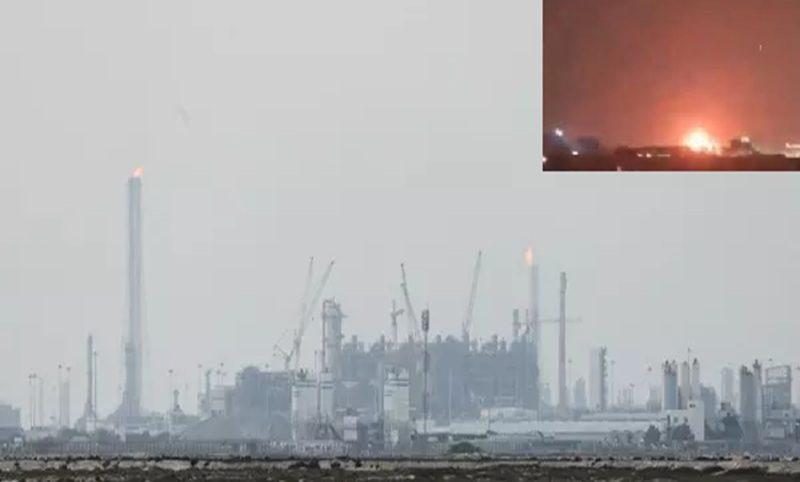
The world’s largest LNG plant in Qatar’s Ras Laffan Industrial City has been struck by Iranian missiles, sparking a fire and raising concerns about global energy security, as the Iran-Israel conflict escalates and threatens to disrupt global oil and LNG markets.
worlds largest plant qatar:
A major Qatari energy complex housing the world’s largest liquefied natural gas export plant has been hit in a new wave of regional escalation, with Iranian missile fire causing extensive damage and a blaze at Ras Laffan Industrial City, according to multiple reports. The attack marks one of the most serious blows yet to Gulf energy infrastructure as the Iran-Israel conflict spreads across the region.
Reuters reported that QatarEnergy said Ras Laffan LNG infrastructure suffered extensive damage after missile attacks, though there were no casualties and all personnel were accounted for. The strike reportedly triggered fires at the site, which is central to Qatar’s LNG exports and global gas supply chains.
The Financial Times said the missile strike hit Ras Laffan, a complex tied to roughly 20% of global LNG supply, underlining the potential scale of the disruption if operations remain impaired. The report said one of five missiles struck the facility directly, while the others were intercepted.
The attack appears to have come after Israel’s strike on Iran’s South Pars gas field, the giant gas reservoir that Iran shares with Qatar as the North Field. That earlier strike pushed Tehran to warn Gulf energy installations to evacuate, including facilities in Qatar, Saudi Arabia and the UAE.
Reuters said the warning was followed by retaliatory missile attacks across the Gulf, with Qatar’s Ras Laffan hub among the sites hit and UAE gas facilities also affected by missile debris. The widening attacks have sharply increased fears of a regional energy shock.
Qatar has strongly condemned the strike. Reuters reported that Doha expelled Iran’s security and military attaches, calling them persona non grata after the attack on its energy hub.
The impact goes far beyond Qatar. Ras Laffan is one of the most strategically important LNG hubs in the world, and any prolonged disruption there could tighten global gas supplies and push prices higher. Reuters and the Financial Times both noted that the strike has raised fresh concerns about global energy security, especially with the Strait of Hormuz already under intense pressure.
Oil markets reacted immediately. Reuters reported that Brent crude rose above $111 per barrel as traders assessed the fallout from Iranian strikes on major Middle East energy infrastructure.
This attack signals a dangerous new phase in the war: the direct targeting of the Gulf’s most valuable energy assets. With Iran retaliating for the South Pars strike and Qatar’s Ras Laffan complex now damaged, the crisis is no longer just a military confrontation — it has become a full-scale threat to global oil and LNG markets.