 Ambush of Salvadoran Soldiers Escalates Haiti’s Anti-Gang Mission
 Oil prices extend rally to near six-month high amid Houthi attacks on Saudi Arabia
 Arraial’s evangelical voters back Bolsonaro
 Kerala High Court rejects petition to halt reconstitution of State Waqf Board.
Andhra Pradesh declares early kharif drought in 388 mandals across 21 districts
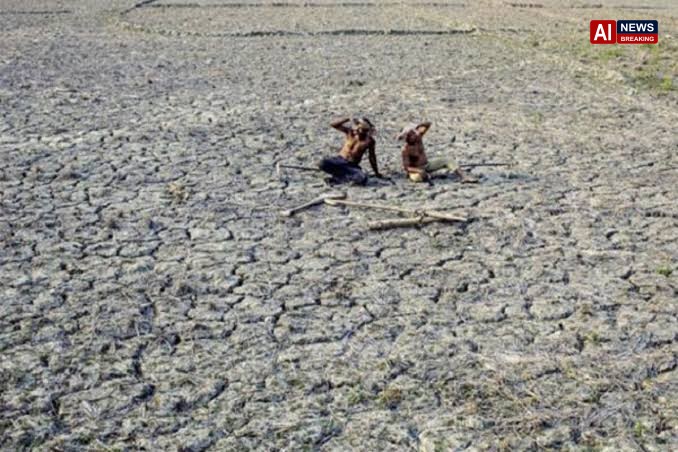
Andhra Pradesh declares early kharif drought in 388 mandals across 21 districts - AI News Breaking
The government of Andhra Pradesh has issued an official notice declaring an early kharif drought in 388 of its mandals across 21 districts. The announcement, made by the state’s Chief Minister and the Minister of Agriculture, comes after an extensive survey that identified a significant shortfall in rainfall during the crucial June to August period, which traditionally marks the onset of the kharif crop season. Authorities report that the state received 53.4% less rainfall than the normal averages, a shortfall that has already begun to affect the first crop of the year.El Niño conditions have been cited as a major contributing factor to the dry spell..
Meteorological data shows a persistent high-pressure system over the Bay of Bengal, which has suppressed the usual monsoon showers that the region relies on. The Indian Meteorological Department’s latest analysis indicates that the anomaly is linked to the broader climatic patterns associated with El Niño, which have been disrupting the monsoon for several years across South India. This development has alarmed both farmers and policy makers, who note that the lack of adequate rainfall will have lasting repercussions for agricultural output and the rural economy.The State’s Agriculture Department identified 283 mandals as severely drought‑affected, where water scarcity is already causing substantial damage to crops and infrastructure..
In these areas, irrigation channels have dried up, and reservoirs that usually hold the monsoon runoff are below critical levels. Farmers in the affected mandals have reported that their crops – ranging from rice and corn to pulses and oilseeds – are showing signs of stress, with many fields left barren by late or insufficient rains. The government has promised to provide emergency water relief, but the scale of the crisis raises doubts about the effectiveness of short‑term measures.In addition to the immediate agricultural concerns, the early drought declaration has prompted the state to mobilise emergency resources..
The State Disaster Response Fund has been activated, and the government has announced plans to provide subsidies for water‑conserving technologies and early‑season seed varieties that can withstand dry conditions. Agricultural officials are urging farmers to adopt drought‑resistant crop varieties and to make use of the government’s insurance schemes, which can provide financial protection against crop failure. Despite these measures, many rural communities express scepticism, citing a history of delayed aid and insufficient implementation of relief programmes.The declaration has also highlighted the broader challenges that Andhra Pradesh faces in managing water resources..
The state’s irrigation infrastructure, heavily reliant on surface water, has struggled to cope with the variability of the monsoon. Experts note that a shift towards more efficient water use, such as drip irrigation and rainwater harvesting, could mitigate the impact of future droughts. However, implementing such systems requires significant investment and training for farmers, many of whom are smallholders with limited capital..
The government has indicated that it will allocate additional funding for infrastructure upgrades, but questions remain about how quickly these projects can be completed.The economic fallout from the drought is already being felt across the agricultural sector. Andhra Pradesh’s agricultural output is a major contributor to the state’s GDP, and any reduction in crop yield directly affects the livelihoods of millions of farmers. Market analysts warn that a sustained decline in produce will lead to higher prices for consumers and may trigger food security concerns, especially in urban centres that depend on the state for staples such as rice and wheat..
The government has pledged to stabilise prices by intervening in the market and ensuring adequate supply chains, but the long‑term viability of these strategies remains uncertain.In response to the crisis, the state has coordinated with central government agencies to secure additional resources. The Ministry of Agriculture and Farmers’ Welfare has agreed to supply water‑conserving seeds and fertilizers to the drought‑hit districts, while the Ministry of Rural Development is set to deliver financial aid to the most affected families. The National Disaster Response Force has been deployed to assist in the evacuation of vulnerable communities and to establish temporary shelters in areas where homes have been destroyed by water shortage..
These coordinated efforts aim to provide immediate relief while setting the stage for longer‑term resilience.The early drought declaration also underscores the importance of monitoring and forecasting systems. The state has urged the adoption of advanced meteorological tools that can provide real‑time data on rainfall patterns and soil moisture levels. By improving predictive capabilities, authorities hope to better prepare for future monsoon anomalies and to reduce the lag between a weather warning and the implementation of mitigation measures..
Some scientists argue that such technology could be integrated into community-level decision‑making, allowing farmers to adjust planting schedules and crop choices before the monsoon arrives.Public reaction has been mixed, with some praising the government for its proactive stance, while others criticize the perceived delay in response. Opposition parties have called for greater transparency in the allocation of relief funds and have demanded that the government engage more closely with farmer cooperatives to ensure that aid reaches the grassroots level. Social media platforms are abuzz with debates about the adequacy of the state’s response and the need for systemic reforms in agricultural policy.As the kharif season progresses, the state will need to monitor crop development closely and adjust support measures accordingly..
The success of the current relief effort will hinge on timely distribution of resources, effective communication with farmers, and the ability to adapt to ongoing climatic uncertainties. While the early declaration of a drought may provide a window for targeted intervention, the underlying vulnerabilities in water management and agricultural practices suggest that the state must invest in sustainable solutions to safeguard the future of its farming communities..
Updated: October 8, 2026
The early drought alert exposes Andhra Pradesh’s chronic dependence on erratic monsoon rains, turning seasonal weather into an economic crisis that ripples up to urban food prices. Unless the state reforms water infrastructure and rewards drought‑resilient agriculture now, each new El Niño will simply deepen the same cycle of shock, aid, and unfulfilled promises.