Europe warns of Russia’s hybrid attacks but struggles to counter them
  Former chief election commissioner calls SIR scheme illegal.
  A Corruption Scandal Is Reshaping Brazil’s Presidential Election
  US citizen injured in Illinois after ICE agents mistook him for fugitive, tried to arrest him
  At 10 years old, Smithsonian’s Black museum is undaunted amid pressure from Trump administration
 Indian Railways Revises Allowance Rates for Loco Pilots, Guards and Firemen: Big Boost to Running Staff Salaries
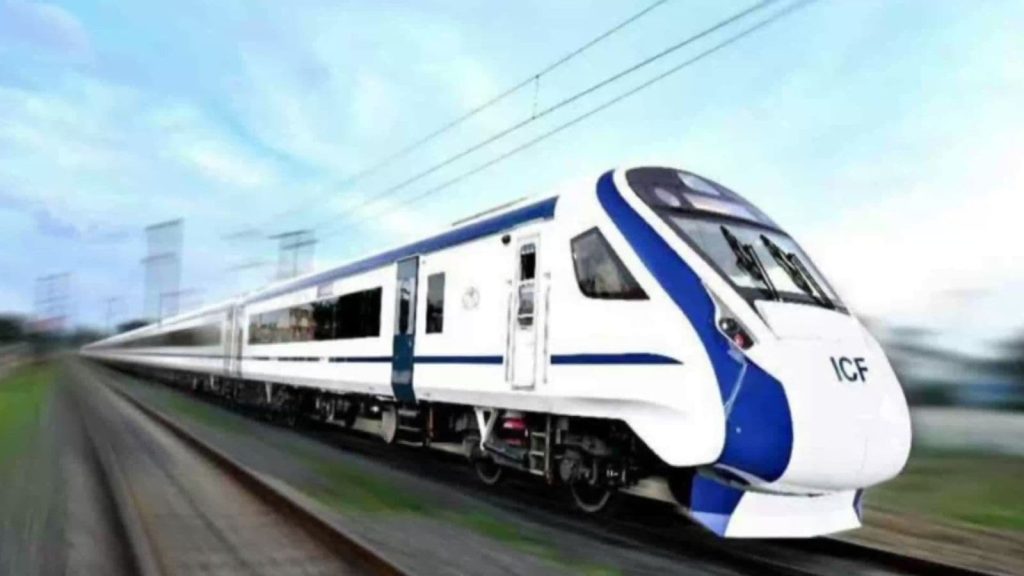
Major Relief for Railway Running Staff
In a significant move aimed at improving the welfare of its operational workforce, Indian Railways has announced a revision in allowance rates for key running staff, including Loco Pilots, Guards, and Firemen. The decision is expected to directly benefit thousands of employees who play a crucial role in the day-to-day functioning of the railway network across the country.
The revised allowances are part of the government’s broader effort to address long-standing demands from railway unions and ensure better compensation for staff working under demanding conditions.
Who Will Benefit from the Revised Allowances?
The revised allowance structure primarily applies to:
- Loco Pilots (Train Drivers) – responsible for operating trains across long distances
- Guards (Train Managers) – in charge of train safety and coordination
- Firemen (Assistant Loco Pilots in older terminology) – assisting drivers in train operations
These categories are collectively known as “running staff” and form the backbone of railway operations.
What Are Running Allowances?
Running allowances are additional payments given to railway staff who are involved in train operations. Unlike fixed salaries, these allowances are calculated based on:
- Distance traveled
- Time spent on duty
- Nature of work and route conditions
They compensate for irregular working hours, long-distance travel, and the physical and mental stress associated with operating trains.
Key Highlights of the Revision
While exact figures may vary across categories and routes, the revised structure includes:
1. Increase in Kilometer-Based Rates
Allowances linked to distance traveled have been enhanced, leading to higher earnings for staff operating long-haul trains.
2. Improved Daily Compensation
Staff will receive better compensation for extended duty hours and overnight journeys.
3. Alignment with Pay Commission Recommendations
The revision is reportedly aligned with broader pay structure updates and cost-of-living adjustments.
4. Better Incentives for Safety and Efficiency
Higher allowances are expected to motivate staff, improving operational efficiency and safety standards.
Why This Revision Matters
1. Addressing Long-Standing Demands
Railway unions have been demanding a revision of running allowances for years, citing inflation and increased workload.
2. Boosting Morale
Improved pay directly impacts employee morale, which is crucial for a sector that operates round the clock.
3. Enhancing Safety
Better-compensated staff are likely to be more focused and motivated, contributing to safer railway operations.
4. Retention and Recruitment
The move may help in retaining experienced staff and attracting new talent to operational roles.
Impact on Railway Operations
The revision is expected to have a positive ripple effect across the railway system:
- Improved punctuality and efficiency
- Reduced fatigue-related errors
- Higher job satisfaction among staff
- Better overall service quality for passengers
However, it may also increase operational costs for Indian Railways, which will need to balance employee welfare with financial sustainability.
Reactions from Unions and Employees
Railway unions have largely welcomed the move, calling it a “long-overdue step.” Many employees expressed relief, noting that:
- The revision acknowledges the challenges of their job
- It brings compensation closer to current economic realities
- It reflects the government’s commitment to worker welfare
However, some union representatives have indicated that further improvements may still be needed, particularly in areas like working conditions and rest periods.
Government’s Perspective
Officials from Ministry of Railways have stated that the revision is part of ongoing efforts to modernize the railway system while ensuring that employees are adequately compensated.
The government has emphasized:
- Commitment to employee welfare
- Continuous review of pay structures
- Focus on operational efficiency and safety