Europe warns of Russia’s hybrid attacks but struggles to counter them
  Former chief election commissioner calls SIR scheme illegal.
  A Corruption Scandal Is Reshaping Brazil’s Presidential Election
  US citizen injured in Illinois after ICE agents mistook him for fugitive, tried to arrest him
  At 10 years old, Smithsonian’s Black museum is undaunted amid pressure from Trump administration
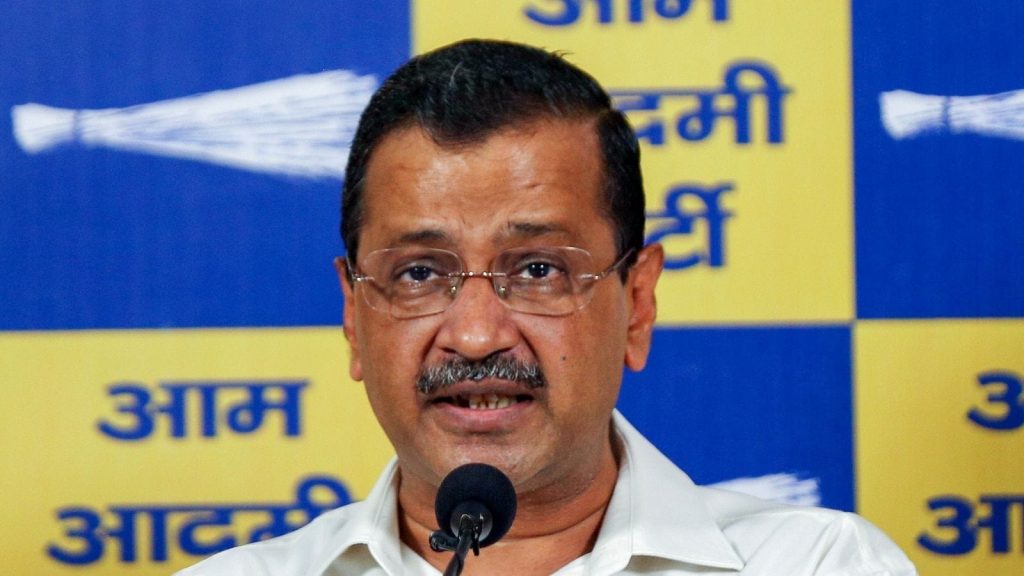
 Airfares Surge Amid West Asia Conflict: Arvind Kejriwal Urges Centre to Cap Prices, Calls Air Travel a Necessity for Middle Class
airfares surge west asia:
Rising Airfares Trigger Political Response
As tensions escalate in West Asia, soaring airfares on domestic and international routes have sparked concern across India. Addressing the issue, Arvind Kejriwal has urged the central government to step in and regulate ticket prices, calling air travel “no longer a luxury but a necessity for the middle class.”
The appeal comes at a time when geopolitical instability is disrupting global aviation routes, pushing airlines to increase fares due to higher operational costs and limited airspace availability.
Kejriwal’s Appeal to the Centre
Speaking on the issue, Arvind Kejriwal emphasized that air travel has become an essential mode of transport for millions of Indians, particularly for:
- Business professionals
- Students traveling abroad
- Families dealing with emergencies
- Migrant workers returning home
He urged the Government of India to introduce temporary measures to control “unreasonably high fares,” especially during crisis situations.
“Air travel is no longer a luxury. It has become a necessity for the middle class. The government must ensure affordability,” Kejriwal stated.
Impact of West Asia Conflict on Airfares
The ongoing tensions in West Asia have significantly affected global aviation, leading to:
1. Rerouting of Flights
Airlines are avoiding conflict zones, resulting in longer flight paths and increased fuel consumption.
2. Higher Operational Costs
- Increased fuel usage
- Rising insurance premiums
- Additional crew and maintenance requirements
3. Reduced Seat Availability
Flight cancellations and route adjustments have reduced capacity, driving up demand and prices.
4. Surge in Emergency Travel
Many passengers are booking last-minute tickets due to uncertainty, further inflating fares.
Middle-Class Travelers Hit the Hardest
The spike in airfares has disproportionately impacted India’s middle class, which increasingly relies on air travel for:
- Work-related travel
- Medical emergencies
- Education and migration
- Family obligations
Many passengers have reported ticket prices doubling or even tripling on certain routes, making travel financially burdensome.
Calls for Government Intervention
Kejriwal’s statement has added to growing demands for intervention by the Ministry of Civil Aviation and other regulatory bodies.
Possible Measures Being Suggested:
- Temporary fare caps on essential routes
- Monitoring of dynamic pricing practices
- Additional flights to increase supply
- Subsidies or relief measures during crises
Airlines’ Perspective
Airlines, however, argue that the fare increases are driven by unavoidable external factors:
- Volatile fuel prices
- Operational risks due to conflict zones
- Limited airspace access
- Fluctuating demand
Industry experts warn that strict price controls could impact airline profitability and operational sustainability.
Balancing Affordability and Viability
The debate highlights a key challenge for policymakers: balancing affordability for passengers with financial viability for airlines.
Experts suggest that instead of strict caps, the government could:
- Increase transparency in pricing
- Encourage competition among airlines
- Provide temporary financial support to carriers
- Enhance infrastructure to handle higher traffic
Political and Public Reactions
Kejriwal’s remarks have triggered mixed reactions:
Supporters Say:
- The middle class needs protection from price surges
- Government intervention is justified during crises
- Air travel is now essential, not optional
Critics Argue:
- Market forces should determine prices
- Airlines are already under financial stress
- Overregulation could harm the aviation sector
Broader Economic Implications
High airfares can have ripple effects across the economy:
- Increased cost of doing business
- Reduced tourism and travel demand
- Financial strain on families
- Slower economic activity in certain sectors
What Happens Next?
The Government of India has not yet announced any formal measures, but officials are reportedly monitoring the situation closely.
Key questions remain:
- Will the government impose temporary fare caps?
- Can airlines absorb rising costs without passing them on?
- How long will the West Asia conflict continue to impact aviation?