Europe warns of Russia’s hybrid attacks but struggles to counter them
  Former chief election commissioner calls SIR scheme illegal.
  A Corruption Scandal Is Reshaping Brazil’s Presidential Election
  US citizen injured in Illinois after ICE agents mistook him for fugitive, tried to arrest him
  At 10 years old, Smithsonian’s Black museum is undaunted amid pressure from Trump administration
 Middle East Crisis LIVE: Iran Says Strait of Hormuz Open to All but ‘Enemy’ Ships Amid Escalating Regional Tensions
middle east crisis iran:
Iran Signals Conditional Access to Strait of Hormuz
Tensions in the Middle East have intensified further after a senior Iranian official declared that the strategically critical Strait of Hormuz remains open to global shipping—except for vessels belonging to what Tehran describes as “enemy countries.” The statement comes amid growing fears of a wider regional conflict and heightened military activity involving global powers.
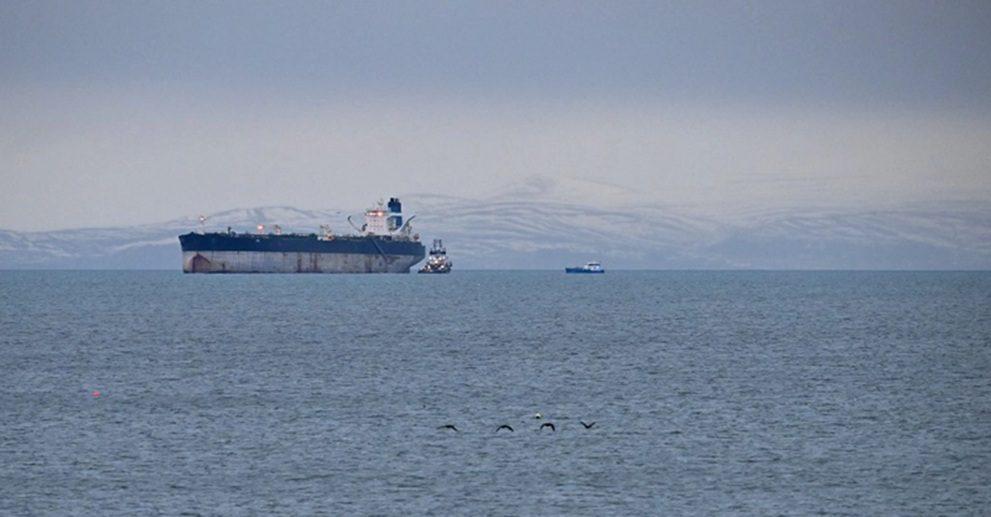
The Strait of Hormuz, one of the world’s most vital maritime chokepoints, handles nearly a fifth of global oil shipments. Any disruption in this narrow passage between the Persian Gulf and the Gulf of Oman has immediate implications for global energy markets, trade routes, and geopolitical stability.
Iran’s Warning: ‘Selective Access’ to a Global Lifeline
In a strongly worded statement, the Iranian official emphasized that while Tehran is not seeking to block international trade, it reserves the right to restrict access to nations it considers hostile. This remark has raised alarms across global capitals, particularly among Western nations and their allies, who rely heavily on energy supplies transported through the strait.
The official noted that Iran remains committed to maintaining freedom of navigation for “friendly and neutral” countries, but warned that any aggression or military pressure would be met with decisive action. The ambiguity surrounding which nations fall under the “enemy” category has added to the uncertainty.
Why the Strait of Hormuz Matters
The Strait of Hormuz is a narrow waterway—just about 33 kilometers wide at its narrowest point—but its importance is enormous. It serves as the primary export route for oil-producing nations such as Saudi Arabia, Iraq, Kuwait, and the UAE.
Any disruption in this corridor can send shockwaves through global oil prices, impact supply chains, and trigger economic instability worldwide. Analysts warn that even the perception of risk in the region can lead to immediate spikes in crude oil prices.
Rising Military Activity in the Region
The latest Iranian statement comes amid a surge in military deployments in the region. The United States and its allies have increased naval patrols in and around the Persian Gulf, citing the need to ensure safe passage for commercial vessels.
Iran, on the other hand, has conducted multiple military drills and showcased its missile capabilities in recent days. The situation has created a tense standoff, with both sides accusing each other of escalating the crisis.
Reports suggest that several commercial ships have already altered their routes or delayed transit through the strait due to security concerns. Insurance costs for vessels passing through the region have also surged sharply.
Global Reactions: Concern and Caution
World leaders have reacted cautiously to Iran’s remarks. While some countries have called for restraint and dialogue, others have condemned the idea of restricting access to international waterways.
Energy-importing nations, particularly in Asia and Europe, are closely monitoring the situation. Countries like India, China, and Japan, which depend heavily on Middle Eastern oil, could face significant challenges if the crisis deepens.
Diplomatic channels are reportedly active, with multiple nations urging de-escalation and peaceful resolution of tensions.
Economic Impact: Oil Markets on Edge
The global oil market has already begun reacting to the developments. Prices have shown volatility as traders factor in the risk of supply disruptions. Experts warn that if tensions escalate further or if Iran enforces restrictions, oil prices could surge dramatically.
Such a spike would have cascading effects on inflation, transportation costs, and overall economic growth, especially in developing economies.
Shipping companies are also facing uncertainty, with many reconsidering their routes and contingency plans. The increased risk has led to higher freight charges and insurance premiums, further straining global trade.
Potential for Escalation
Security analysts warn that the situation could quickly spiral into a broader conflict if miscalculations occur. The presence of multiple military forces in a confined area increases the risk of accidental confrontations.
Any direct clash in or around the Strait of Hormuz could have far-reaching consequences, potentially drawing in regional and global powers.
The use of terms like “enemy countries” without clear definition also raises the possibility of misunderstandings and unintended escalation.
Calls for Diplomacy
Amid the growing tensions, international organizations and diplomatic leaders have called for immediate dialogue. There is a strong push to prevent the situation from escalating into a full-scale conflict.
Experts emphasize that maintaining open communication channels is crucial to ensuring stability in the region. Confidence-building measures and negotiated agreements could help reduce tensions and restore trust.
What Lies Ahead
The coming days will be critical in determining the trajectory of the crisis. Much will depend on how Iran implements its stated policy and how other nations respond.
If diplomatic efforts succeed, the situation could stabilize, allowing normal shipping operations to continue. However, any aggressive move or misstep could trigger a chain reaction with global consequences.
The Strait of Hormuz remains at the center of this unfolding crisis—a narrow passage with the power to influence the entire world.