Europe warns of Russia’s hybrid attacks but struggles to counter them
  Former chief election commissioner calls SIR scheme illegal.
  A Corruption Scandal Is Reshaping Brazil’s Presidential Election
  US citizen injured in Illinois after ICE agents mistook him for fugitive, tried to arrest him
  At 10 years old, Smithsonian’s Black museum is undaunted amid pressure from Trump administration
 Iran Issues Dire Warning of Retaliation as US-Iran Conflict Escalates on Day 24, Threatening Global Energy Stability
The US-Iran conflict has escalated, with Iran warning of “zero restraint” retaliation if the US targets its power infrastructure, threatening the stability of global energy markets and economies, as the world waits with bated breath for the outcome of diplomatic efforts to prevent a broader regional war.
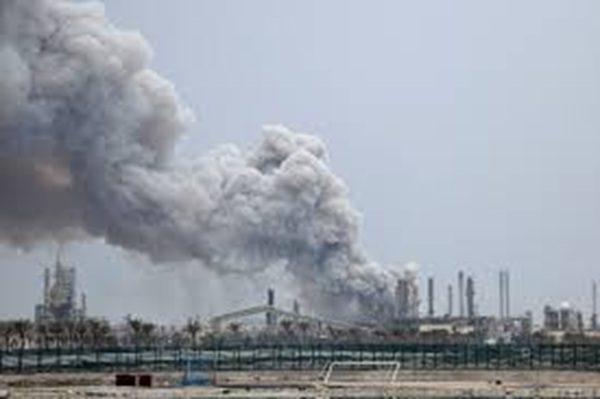
The ongoing conflict between the United States and Iran has entered a perilous new phase, with Tehran warning of unprecedented retaliation if former US President Donald Trump targets its power infrastructure. This development comes as the war, which began in late February 2026, marks its 24th day, with escalating rhetoric and military actions fueling fears of a wider regional conflict with far-reaching global consequences. The situation has steadily intensified since the start of the conflict, evolving from targeted strikes and counterstrikes into a high-stakes confrontation involving energy infrastructure, global oil routes, and civilian systems.
At the heart of the crisis is the Strait of Hormuz, a strategic waterway through which nearly 20% of the world’s oil supply passes. Iran has repeatedly warned that any attack on its energy infrastructure could lead to the closure of the strait, resulting in severe disruptions to global oil shipments and unprecedented volatility in energy markets. This warning is not an idle threat, as even the possibility of closure has already driven oil prices to multi-year highs, exacerbating inflation worldwide.
Iran’s response to Trump’s 48-hour ultimatum, which demanded the full reopening of the Strait of Hormuz, was swift and forceful. Iranian officials declared that any attack on the country’s power grid would be met with “zero restraint” retaliation, outlining potential countermeasures that include targeting energy and desalination facilities across Gulf countries, striking infrastructure linked to US allies and military bases, and launching attacks on regional oil and communication systems. Such retaliation, according to senior Iranian officials, could lead to the “irreversible destruction” of critical infrastructure across the region, including water supply systems vital for millions of civilians.
The conflict has already seen significant military escalation, with Iran launching missile strikes on Israeli cities and US-linked targets, and reports indicating attacks on a US-British base in the Indian Ocean. The United States and Israel have intensified strikes on Iranian military and nuclear-linked sites, and fighting has expanded into Lebanon and other regional hotspots. The humanitarian toll continues to rise, with thousands reported killed since the war began, further increasing concerns about the conflict’s impact on civilians.
The implications of this standoff extend far beyond the Middle East, with crude oil prices surging past $110 per barrel due to fears of supply disruption. Global stock markets have seen sharp declines, with investors fleeing riskier assets, and emerging market currencies have weakened due to rising oil import costs and capital outflows. Any disruption in the Strait of Hormuz could have far-reaching consequences for global trade logistics, affecting fuel supply, fertilizer shipments, and supply chains worldwide.
Experts believe that the conflict is entering a critical turning point, with the targeting of power infrastructure marking a shift toward economic warfare and retaliation against desalination plants raising concerns about civilian survival systems. The involvement of multiple countries increases the risk of a full-scale regional war, with some analysts warning that this could become the largest energy crisis since the early 2000s, with long-term economic consequences.
Despite the rising tensions, diplomatic efforts are ongoing, with European leaders urging de-escalation and negotiations, and backchannel talks reportedly continuing. However, with both sides remaining firm in their positions, a breakthrough appears unlikely in the immediate future. The coming days are critical, as the world waits to see whether the US will follow through on its threat to strike Iran’s power grid, whether Iran will act on its warning to shut down the Strait of Hormuz, and whether diplomacy can prevent a broader regional war. Any miscalculation could trigger rapid escalation, affecting not just the Middle East but the entire global economy.