Europe warns of Russia’s hybrid attacks but struggles to counter them
  Former chief election commissioner calls SIR scheme illegal.
  A Corruption Scandal Is Reshaping Brazil’s Presidential Election
  US citizen injured in Illinois after ICE agents mistook him for fugitive, tried to arrest him
  At 10 years old, Smithsonian’s Black museum is undaunted amid pressure from Trump administration
 Iran Rejects Trump Ceasefire Claim, Denies Talks as Strait of Hormuz Tensions Escalate
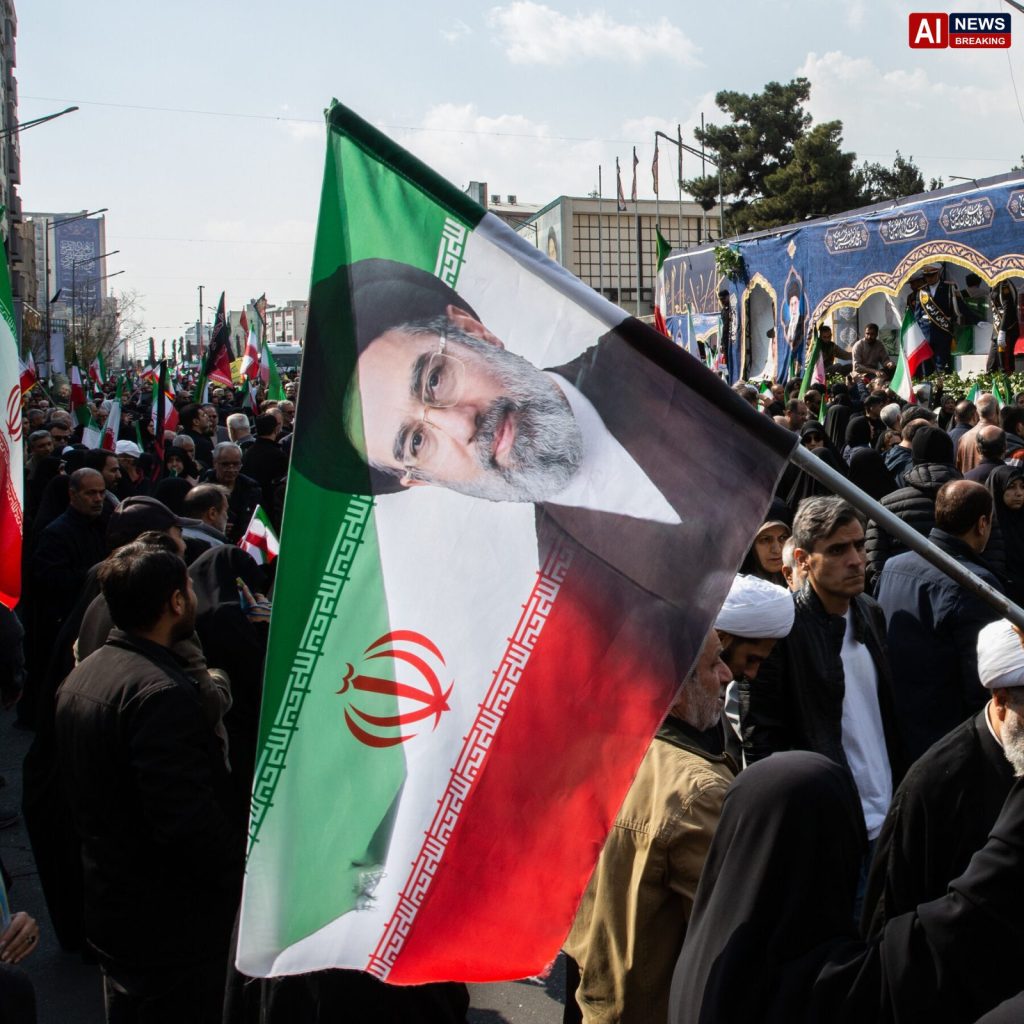
Iran Leader's health worsens - AI News Breaking
Iran Denies Ceasefire Talks, Calls US Move a ‘Retreat’ Amid Rising Conflict
Tensions in West Asia have intensified after Iran firmly rejected claims by former U.S. President Donald Trump that ceasefire talks were underway between Washington and Tehran. Iranian officials have categorically denied any negotiations, calling the U.S. narrative misleading and describing Washington’s recent decision to delay military strikes as a “strategic retreat.”
The sharp contradiction between the two sides has added to global uncertainty, especially as the conflict threatens critical energy routes and regional stability.
Trump Claims Progress, Tehran Pushes Back
Speaking recently, Donald Trump stated that the United States had postponed planned strikes on Iranian energy infrastructure for five days due to “productive conversations” aimed at de-escalation. The announcement briefly raised hopes of a diplomatic breakthrough.
However, Iran swiftly dismissed these claims. Officials in Tehran insisted that no direct or indirect talks have taken place and that the country has neither sought negotiations nor agreed to a ceasefire.
Iranian state media emphasized that any suggestion of dialogue is false and intended to shape international perception. This denial highlights a widening gap between U.S. and Iranian narratives, raising concerns about misinformation and strategic signaling during wartime.
US Strike Delay Seen as Weakness
Iran has framed the U.S. decision to delay military action not as a diplomatic gesture, but as a sign of pressure-induced retreat. According to Iranian officials, Washington stepped back after Tehran warned of severe retaliation if its infrastructure was targeted.
Iran had threatened to strike energy facilities and critical infrastructure across the region, including in Gulf countries hosting U.S. military bases. These warnings appear to have influenced the U.S. decision to temporarily pause its planned attacks.
The development signals a dangerous escalation, where both sides are testing each other’s limits without entering full-scale war—yet.
Strait of Hormuz Crisis Raises Global Alarm
At the center of the conflict is the strategically vital Strait of Hormuz, a narrow waterway through which a significant portion of the world’s oil supply passes.
Iran’s actions in and around the strait have heightened fears of supply disruptions. The U.S. had earlier issued an ultimatum demanding that Iran ensure free passage through the route or face military consequences.
Any prolonged disruption in the Strait of Hormuz could trigger a major global energy crisis, pushing oil prices higher and affecting economies worldwide, including India.
Conflict Background and Escalation
The current crisis stems from a series of escalating military actions involving the United States, Israel, and Iran. Airstrikes targeting Iranian-linked facilities earlier this year led to retaliatory attacks by Tehran on U.S.-aligned positions in the region.
Since then, tensions have steadily worsened, with both sides issuing threats and demonstrating military readiness. The situation has become increasingly volatile, with fears that even a minor miscalculation could trigger a wider regional war.
Global Markets React to Uncertainty
Financial markets have reacted sharply to the conflicting signals. Trump’s initial comments about possible talks briefly eased concerns, leading to a dip in oil prices and a rise in global equities.
However, Iran’s denial quickly reversed that sentiment. Oil prices have remained volatile, and investors are closely monitoring developments in the region.
For countries dependent on energy imports, including India, the crisis poses serious economic risks. Any disruption in supply could lead to higher fuel costs, inflation, and pressure on national economies.
Diplomatic Efforts Face Challenges
Several countries have attempted to mediate between the U.S. and Iran, but progress has been limited. Iran has maintained that it will not engage in talks under pressure, especially while facing military threats.
This hardline stance reduces the likelihood of immediate diplomatic resolution. Analysts believe that unless both sides make concessions, the conflict could drag on, increasing the risk of escalation.
What Lies Ahead?
The situation remains highly fluid, with multiple possible outcomes:
- Renewed diplomatic efforts despite current denials
- Escalation into direct military confrontation
- Continued standoff with periodic flare-ups
- Greater involvement of regional and global powers
The next few days will be crucial, particularly as the U.S. pause on military action nears its end.