Europe warns of Russia’s hybrid attacks but struggles to counter them
  Former chief election commissioner calls SIR scheme illegal.
  A Corruption Scandal Is Reshaping Brazil’s Presidential Election
  US citizen injured in Illinois after ICE agents mistook him for fugitive, tried to arrest him
  At 10 years old, Smithsonian’s Black museum is undaunted amid pressure from Trump administration
 US-Israel-Iran War LIVE: Ceasefire Hopes Fade as Iran Accuses US-Israel of Energy Site Bombings; Tehran Launches Fresh Retaliatory Strikes
** The fragile ceasefire hopes in the US-Israel-Iran war are rapidly collapsing as Iran accuses the US and Israel of continuing to strike critical energy targets, prompting fresh retaliatory strikes and escalating the conflict, with far-reaching implications for global energy markets and economic stability.
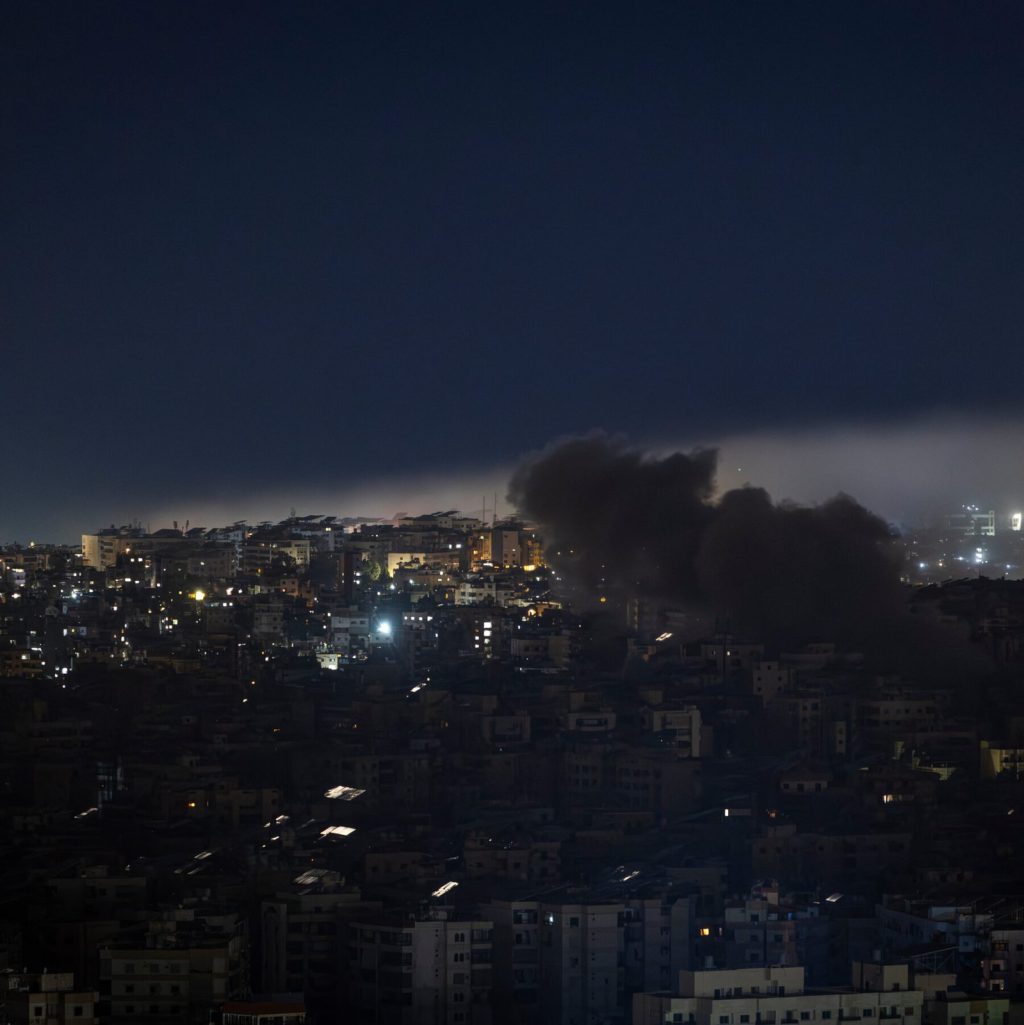
usisraeliran ceasefire hopes fade:
🔴 Live War Update: Ceasefire on Brink as Conflict Intensifies
The fragile hope of a ceasefire in the ongoing US-Israel-Iran war appears to be collapsing rapidly, as fresh accusations, counter-attacks, and military escalation dominate the latest developments. What initially seemed like a possible diplomatic breakthrough—after US President Donald Trump announced a temporary pause on strikes targeting Iran’s energy infrastructure—has now spiraled into renewed hostilities and deep mistrust.
Iran has accused the United States and Israel of continuing to strike critical energy-related targets despite the announced pause, while Tehran has responded with new waves of retaliation, pushing the region closer to a prolonged and more destructive conflict.
⚠️ Trump’s 5-Day Pause: Diplomatic Move or Strategic Delay?
In a surprising shift, President Donald Trump declared a five-day halt on US attacks against Iranian energy facilities, citing “very good and productive conversations” with Tehran aimed at ending the war.
This decision came after weeks of escalating conflict that began on February 28, 2026, when US and Israeli forces launched coordinated strikes on Iran, triggering a broader regional war.
Trump’s move was seen globally as a potential opening for diplomacy. Financial markets reacted immediately:
- Oil prices dropped sharply
- US stock markets surged
However, the optimism was short-lived.
Iran Rejects US Claims of Talks
Tehran swiftly denied that any direct negotiations were taking place. Iranian officials accused Washington of:
- Spreading misinformation
- Attempting to manipulate global oil markets
- Buying time for further military operations
This contradiction between US and Iranian narratives has further complicated ceasefire prospects.
💣 Israel Continues Strikes Despite Pause
Even as the US paused attacks on energy infrastructure, Israel intensified its military campaign inside Iran.
Recent strikes targeted:
- Revolutionary Guard headquarters
- Missile production facilities
- Intelligence centers in Tehran
Explosions in Tehran were described as “unprecedented in scale,” signaling a major escalation rather than de-escalation.
Although Israel reportedly avoided direct strikes on energy sites in line with US messaging, Iran claims otherwise—accusing both nations of covertly continuing attacks on its energy network.
🔥 Iran Retaliates: Missiles, Threats, and Regional Escalation
In response, Iran has launched fresh retaliatory attacks on Israeli targets, continuing a cycle of escalation that has defined the conflict since its beginning.
Key Iranian Actions:
- Missile strikes on Israeli territory
- Threats to target US and allied infrastructure
- Potential mining of the Persian Gulf and Strait of Hormuz
Iran has warned that any attack on its energy infrastructure will trigger retaliation against:
- Gulf energy facilities
- Water desalination plants
- Strategic shipping routes
These threats carry massive global implications, especially for energy markets.
🌍 Strait of Hormuz: Global Flashpoint
One of the most dangerous aspects of the conflict is the situation around the Strait of Hormuz, a critical oil transit route.
- Iran has partially blocked or threatened to block the strait
- US intelligence reports indicate naval mines deployed in the region
- Trump earlier issued a 48-hour ultimatum demanding reopening
Although the ultimatum was later withdrawn, tensions remain extremely high.
Why It Matters:
- Nearly 20% of global oil supply passes through this route
- Any disruption could trigger:
- Global fuel shortages
- Inflation spikes
- Economic instability
📉 Economic Shockwaves Across the World
The war is no longer just a regional military conflict—it is now a global economic crisis in the making.
Immediate Impacts:
- Oil prices surged close to $100 per barrel
- Global supply chains disrupted
- Energy infrastructure damaged across the Middle East
Major energy companies and analysts warn:
- Long-term damage could take years to repair
- Inflation risks are rising globally
- Asia could face severe fuel shortages
Despite this, US officials have downplayed the crisis, stating mitigation efforts are underway.
⚔️ Expanding War: Lebanon and Beyond
The conflict is also widening geographically.
New Developments:
- Israel has launched strikes on Hezbollah positions in Lebanon
- Ground operations have expanded in southern Lebanon
- Political leaders in Israel are discussing territorial expansion
This raises fears of:
- A multi-front war
- Involvement of additional regional actors
- Full-scale Middle East instability
🧨 Rising Casualties and Humanitarian Crisis
The human cost of the war is mounting rapidly.
- Over 1,500 deaths reported in Iran, including civilians
- Thousands injured across both sides
- Missile strikes hitting residential areas in Israel
Human rights groups warn that:
- Civilian casualties are rising sharply
- Critical infrastructure destruction is worsening humanitarian conditions
🤝 Is Diplomacy Still Possible?
Despite ongoing violence, diplomatic efforts are not entirely dead.
Behind-the-Scenes Mediation:
- Countries like Turkey and Oman reportedly acting as intermediaries
- US envoys engaged in indirect communication
However, major obstacles remain:
- Iran demands:
- End of attacks
- Non-aggression guarantees
- Compensation
- US and Israel continue military operations
This disconnect suggests that a ceasefire is unlikely in the immediate future.
🔍 Analysis: Ceasefire Crumbling or Strategic Pause?
The current situation reflects a complex reality:
What the US Says:
- Talks are ongoing
- Pause is a step toward peace
What Iran Says:
- No talks are happening
- US is buying time
What’s Actually Happening:
- Military strikes continue
- Retaliation is intensifying
- Regional risks are expanding
This contradiction indicates that the so-called “pause” may not be a genuine ceasefire effort, but rather a temporary tactical move in a larger war strategy.
📊 What Happens Next?
Experts warn of three possible scenarios:
1. Full Escalation
- Direct US-Iran confrontation
- Closure of Strait of Hormuz
- Global economic crisis
2. Prolonged War
- Continued strikes and retaliation
- Expansion into Lebanon and Gulf states
3. Fragile Diplomacy
- Backchannel talks lead to temporary ceasefire
- No long-term resolution
At present, the situation appears closest to scenario 2: prolonged conflict with periodic escalation.