Europe warns of Russia’s hybrid attacks but struggles to counter them
  Former chief election commissioner calls SIR scheme illegal.
  A Corruption Scandal Is Reshaping Brazil’s Presidential Election
  US citizen injured in Illinois after ICE agents mistook him for fugitive, tried to arrest him
  At 10 years old, Smithsonian’s Black museum is undaunted amid pressure from Trump administration
 Iran Rejects US Peace Plan as ‘Excessive’, Lists Five Key Conditions to End War Amid Rising Middle East Tensions
The ongoing conflict in the Middle East has taken a dramatic turn as Iran rejects the US-backed peace proposal, describing it as “excessive” and outlining five strict conditions to end the war, including a complete halt to military aggression and guarantees against future conflict.
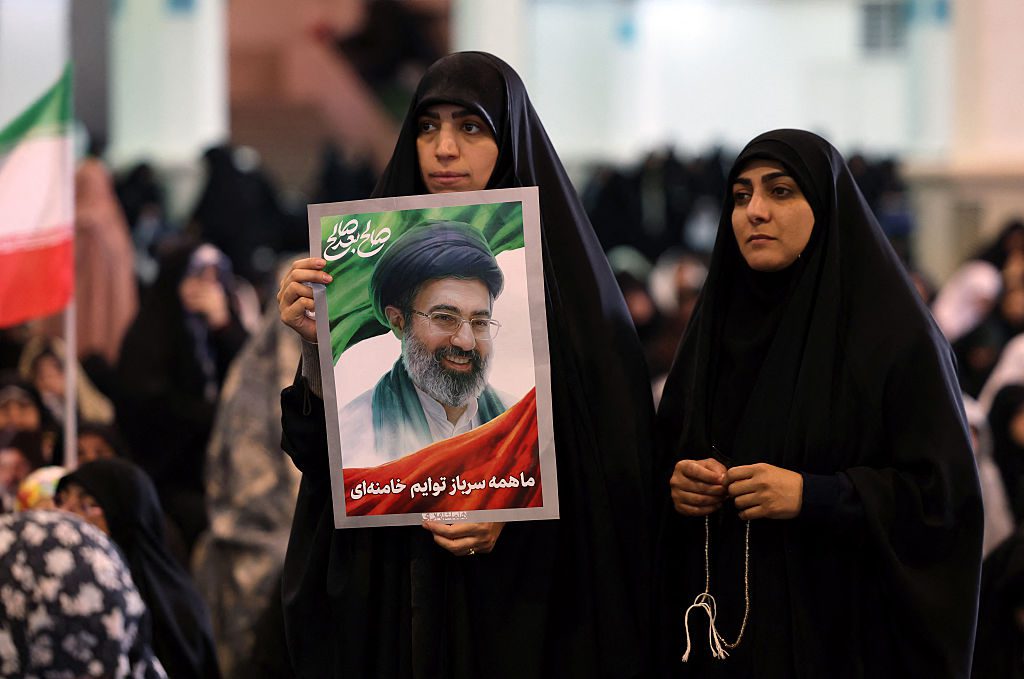
Iran rejects US peace plan as 'excessive' and issues five conditions to end war, state media reports
iran rejects peace plan:
The ongoing conflict in the Middle East has taken a dramatic turn after Iran firmly rejected a United States-backed peace proposal, describing it as “excessive” and unrealistic. According to Iranian state media and multiple international reports, Tehran has not only dismissed the American plan outright but has also outlined five strict conditions that it says must be met before any possibility of ending the war can be considered.
This development significantly complicates diplomatic efforts to de-escalate one of the most volatile conflicts in recent years. With military actions intensifying, geopolitical alliances shifting, and global economic implications already being felt, the rejection underscores the deep mistrust and widening gap between Washington and Tehran.
Iran Rejects US Peace Plan
Iran’s leadership has made it clear that the proposal put forward by the United States — reportedly a detailed multi-point framework aimed at ending hostilities — does not align with its national interests. Iranian officials described the plan as a one-sided list of demands rather than a genuine effort toward peace.
According to reports, the proposal included key American expectations such as:
- Restrictions on Iran’s nuclear program
- Limits on ballistic missile development
- Reduced support for regional allied groups
- Ensuring free passage through the Strait of Hormuz
However, Tehran viewed these demands as unrealistic and heavily tilted in favor of U.S. strategic objectives. A senior Iranian official stated that the plan resembled a “wishlist” rather than a balanced diplomatic agreement.
Iranian authorities emphasized that any resolution to the war would happen strictly on their own terms and timeline.
The Five Conditions Set by Iran
In response to the U.S. proposal, Iran has outlined five core conditions that it insists must be fulfilled before it agrees to end the war. These conditions reflect Tehran’s broader strategic priorities and its demand for guarantees rather than promises.
1. Complete Halt to Military Aggression
Iran demands an immediate and total cessation of all military actions against it, including airstrikes, covert operations, and targeted assassinations. This includes not just direct attacks by the U.S., but also actions by its allies.
2. Guarantees Against Future Conflict
Tehran is seeking concrete mechanisms to ensure that hostilities will not resume in the future. This goes beyond verbal assurances, requiring binding agreements or international guarantees.
3. War Reparations
One of the most significant demands is financial compensation for damages caused during the conflict. Iran insists that those responsible must pay reparations for destruction inflicted on its infrastructure and economy.
4. End of Regional Hostilities
Iran wants the conflict to end across all fronts, including actions involving allied groups in the region. This condition reflects the broader regional dimension of the war, which extends beyond direct U.S.-Iran confrontation.
5. Sovereignty Over the Strait of Hormuz
Perhaps the most strategically critical demand is Iran’s insistence on recognition of its sovereignty over the Strait of Hormuz — a vital global oil transit route. Iran argues that control over the strait is essential to ensuring compliance with any future agreement.
Rising Tensions in the Region
The rejection comes at a time when tensions in the Middle East are already at a boiling point. The conflict has expanded beyond a bilateral issue, involving multiple countries and proxy forces across the region.
Israeli airstrikes on targets linked to Iran and its allies have intensified, particularly in Lebanon, where significant casualties have been reported. At the same time, Iran has responded with missile and drone attacks targeting strategic locations.
The United States has also escalated its military presence, reportedly deploying additional troops to the region. This move has raised concerns about a broader regional war that could involve multiple global powers.
Confusion Over Diplomatic Efforts
Despite reports of a formal U.S. peace proposal, there remains significant confusion about its status. Some officials have suggested that Iran may not have officially received the plan, while others indicate that it was delivered through intermediaries such as Pakistan.
Russia has stated that it has no information about the alleged plan, further adding to the uncertainty surrounding diplomatic efforts.
Meanwhile, mediation efforts are reportedly underway, with countries like Pakistan and Turkey being considered as potential venues for talks. However, no formal agreement has been reached, and the path to negotiations remains unclear.
Iran’s Deep Distrust of the United States
A key factor behind Iran’s rejection is its longstanding distrust of the United States. Iranian officials have repeatedly accused Washington of acting in bad faith, pointing to past agreements that failed to deliver promised outcomes.
Tehran believes that the current proposal is another attempt to impose conditions under the guise of diplomacy. Some Iranian officials have even accused the U.S. of “negotiating with itself,” suggesting that the proposal lacks legitimacy.
This deep-rooted skepticism makes it difficult for any peace initiative to gain traction, especially when accompanied by ongoing military actions.
The Role of the Strait of Hormuz
The Strait of Hormuz has emerged as a central issue in the conflict. This narrow waterway is one of the most important النفط shipping routes in the world, with a significant portion of global oil supply passing through it.
Iran’s demand for sovereignty over the strait highlights its strategic importance. Control over this route would give Tehran significant leverage in both military and economic terms.
At the same time, the U.S. and its allies insist on keeping the strait open for international shipping, viewing it as a critical component of global energy security.
The disagreement over the Strait of Hormuz underscores the broader geopolitical stakes involved in the conflict.
Economic Impact and Oil Prices
The conflict has already had a noticeable impact on global markets, particularly in the energy sector. Oil prices have fluctuated sharply amid fears of supply disruptions.
Interestingly, recent reports suggest that oil prices dipped slightly following speculation about a potential peace agreement. However, Iran’s rejection of the U.S. plan could reverse this trend and lead to renewed volatility.
The situation also affects global trade, especially shipments passing through the Strait of Hormuz. Disruptions in this region can have far-reaching consequences for economies around the world.
Military Escalation Continues
Even as diplomatic efforts falter, military actions continue to escalate. The U.S., Israel, and their allies have intensified operations targeting Iranian positions and allied groups.
Iran, in turn, has demonstrated its capability to respond with missile and drone attacks, signaling that it is prepared for a prolonged conflict.
Analysts warn that the current trajectory could lead to a full-scale regional war if de-escalation measures are not implemented soon.
Global Reactions
The international community has expressed growing concern over the situation. Countries around the world are calling for restraint and urging both sides to return to the negotiating table.
However, the lack of trust between the U.S. and Iran makes it difficult to achieve meaningful progress. Diplomatic efforts are further complicated by the involvement of multiple stakeholders with competing interests.