Europe warns of Russia’s hybrid attacks but struggles to counter them
  Former chief election commissioner calls SIR scheme illegal.
  A Corruption Scandal Is Reshaping Brazil’s Presidential Election
  US citizen injured in Illinois after ICE agents mistook him for fugitive, tried to arrest him
  At 10 years old, Smithsonian’s Black museum is undaunted amid pressure from Trump administration
 UK TV Goes Sugar-Free This Easter as Junk Food Ad Ban Takes Effect
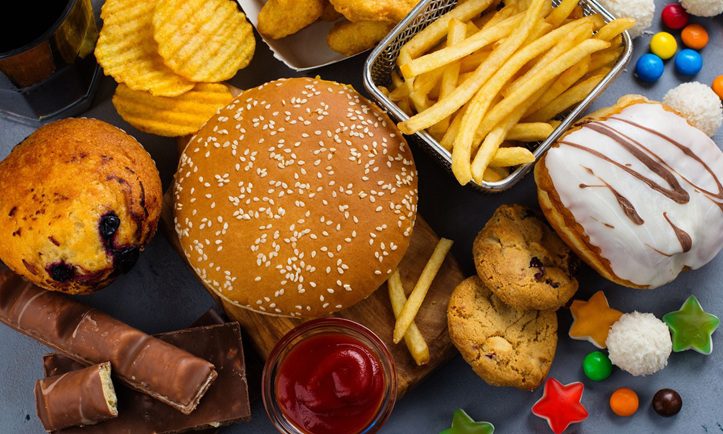
goes sugarfree this easter:
The UK’s TV landscape is undergoing a significant transformation this Easter, as viewers tune in to find a sugar-free slate of advertising. For the first time, traditional chocolate egg and hot cross bun commercials will be absent from evening programming, due to the government’s ban on junk food advertising before 9pm. The new regulations, implemented at the start of the year, aim to reduce the exposure of high-fat, high-sugar, and high-salt products to children as part of a broader effort to combat rising childhood obesity.
The ban on junk food advertising has already led to decreased spending in this sector, with industry experts pointing to a shift in marketing strategies as a result. While some companies have responded by launching social media and influencer campaigns, others have scaled back their advertising efforts altogether. As the UK grapples with the public health implications of junk food advertising, this temporary ban has sparked a lively debate about the policy’s effectiveness and potential consequences.
Introduced under the UK’s new Health and Care Act, the advertising regulations have sparked controversy among the food industry and television advertisers. Critics argue that the restrictions will have a negative impact on small businesses and rural communities, where traditional food advertising plays a vital role in driving sales. In response, supporters of the policy emphasize the need to protect British children from the influence of aggressive advertising, citing studies that demonstrate a correlation between exposure to junk food commercials and increased childhood obesity rates.
As the UK TV advertising landscape adapts to the changes, broadcasters and regulators will be closely monitoring the impact of the ban on viewership and advertising revenue. With the Easter broadcast period offering a crucial test of the policy, it remains to be seen whether this sugar-free viewing experience will become a permanent fixture in the UK’s television landscape.
This ban marks a significant step forward in the UK’s efforts to tackle childhood obesity, which affects nearly a third of children under the age of 10. The government has expressed its commitment to addressing this pressing public health concern, with a comprehensive strategy aimed at reducing sugar intake and promoting healthy eating habits among young people.
With the UK’s junk food advertising ban now in effect, viewers are in for a unique viewing experience this Easter, free from the influence of high-sugar commercials on their screens. As the industry continues to adapt to the changing landscape, it remains to be seen how this shift will shape the future of television advertising and the UK’s public health strategy.