Europe warns of Russia’s hybrid attacks but struggles to counter them
  Former chief election commissioner calls SIR scheme illegal.
  A Corruption Scandal Is Reshaping Brazil’s Presidential Election
  US citizen injured in Illinois after ICE agents mistook him for fugitive, tried to arrest him
  At 10 years old, Smithsonian’s Black museum is undaunted amid pressure from Trump administration
 Rajasthan High Court Rules Against Trans Inclusion in OBC Quota, Citing Limited Benefits and Concerns Over Self-Determination
** The Rajasthan High Court has made a landmark ruling against the inclusion of trans individuals in the OBC quota system, citing concerns over limited benefits and the Centre’s amendment Bill jeopardizing self-determination. The decision has significant implications for the trans community and the broader debate over inclusivity and equality.
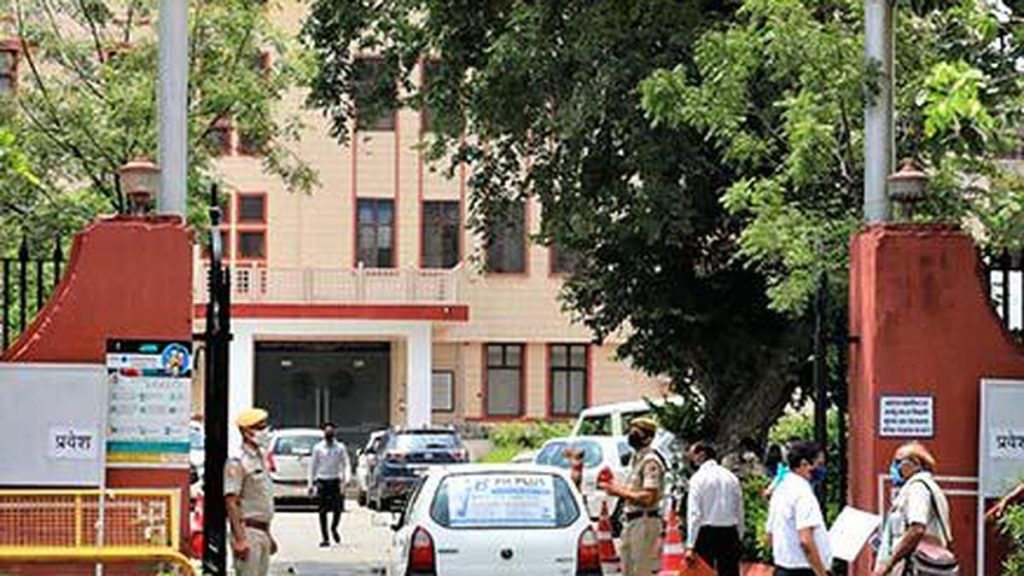
The Rajasthan High Court has delivered a significant judgment on the inclusion of trans individuals in the Other Backward Classes (OBC) quota system, concluding that it may not provide the desired benefits to the community. In its latest move, the court also expressed concerns over the Centre’s amendment Bill, which it believes jeopardizes the fundamental right to gender self-determination.
The Rajasthan High Court’s decision comes amidst growing debates about the inclusion of trans individuals in the OBC quota system. Proponents of the move argued that it would provide much-needed support and opportunities to trans people, who often face significant economic and social disparities. However, the court’s ruling suggests that the inclusion may not address the core challenges faced by the trans community.
According to court records, the Rajasthan High Court pointed out that the benefits of inclusion in the OBC quota system may be limited, given that trans individuals may not be able to access the full range of benefits due to various practical and administrative hurdles. Furthermore, the court noted that the existing quotas may not be sufficient to cater to the specific needs of the trans community.
The court’s decision has also sparked concerns over the Centre’s amendment Bill, which appears to restrict the right to gender self-determination. Critics have long argued that the bill risks undermining the fundamental rights of trans individuals, who should be able to determine their own gender identities without government interference. The Rajasthan High Court’s ruling seems to echo these concerns, with the court expressing its fear that the bill may reduce the inviolable aspect of personhood to a contingent, State-mediated entitlement.
The judgement comes at a critical time, with advocates for trans rights calling for greater recognition and support for the community. While the decision may be seen as a setback for some, it also highlights the need for careful consideration and nuanced approaches to addressing the complex challenges faced by trans individuals.
The outcome of the court’s ruling is likely to have significant implications for the trans community and the broader debate over inclusivity and self-determination. As the issue continues to gain attention and momentum, one thing is clear: the Rajasthan High Court’s decision serves as a reminder that the pursuit of equality and recognition must be grounded in careful analysis and rigorous consideration of the complex issues at play.
Rajasthan High Court’s decision is expected to shape the course of the ongoing debate over trans rights and inclusivity in