Europe warns of Russia’s hybrid attacks but struggles to counter them
  Former chief election commissioner calls SIR scheme illegal.
  A Corruption Scandal Is Reshaping Brazil’s Presidential Election
  US citizen injured in Illinois after ICE agents mistook him for fugitive, tried to arrest him
  At 10 years old, Smithsonian’s Black museum is undaunted amid pressure from Trump administration
 Late Marriage Incentives Fall Short in Odisha’s Primitive Tribal Groups, CAG Audit Reveals
** A recent CAG report highlights the failure of late marriage incentives to reduce child marriage rates in Odisha’s Primitive Tribal Groups. The lack of data on child marriages hampers the government’s efforts to combat the issue, perpetuating poverty, illiteracy, and social issues.
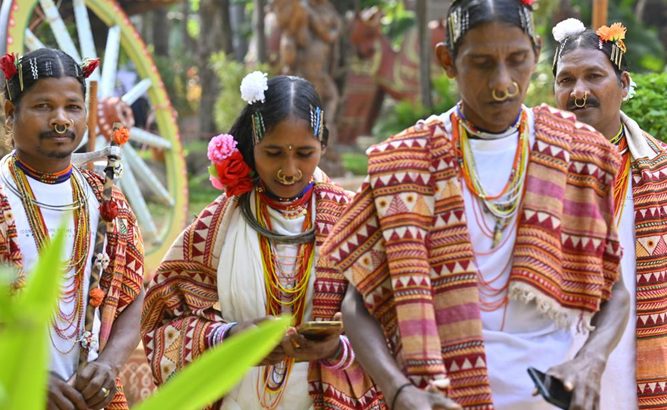
A recent Comptroller and Auditor General (CAG) report has highlighted a significant issue in Odisha’s attempts to reduce child marriage rates among the state’s Primitive Tribal Groups (PTGs). Despite the government’s best efforts, crucial incentives aimed at encouraging late marriages among PTGs have largely failed to reach their intended beneficiaries.
The report, released earlier this year, noted that despite a high incidence of child marriages in PTG-dominated villages, the micro project agencies responsible for implementing programs to reduce the practice lacked critical information about child marriages within their jurisdictions. This lack of data hindered their ability to provide targeted support and incentives, ultimately rendering the programs ineffective.
The Odisha government had introduced late marriage incentives as a key component of its initiatives to combat child marriages. The aim was to persuade families in PTG-dominated villages to delay marriages until the couples were older, with the incentives serving as a financial motivation. However, the CAG report found that the micro project agencies did not have access to vital data on child marriages, making it challenging to ensure the proper distribution of the incentives.
The report specifically highlighted instances where agencies had been operating without comprehensive data, forcing them to rely on inaccurate or incomplete information. This inadequate understanding of the local context severely hampered the effectiveness of the incentives, rendering them ineffective in promoting late marriages among PTGs.
Child marriages in PTG-dominated villages have long been a pressing concern for the Odisha government. The practice perpetuates poverty, illiteracy, and a range of social and health issues, disproportionately affecting vulnerable populations. The government’s efforts to address the issue through late marriage incentives, though well-intentioned, seem to have fallen short due to systemic shortcomings.
To address these issues and enhance the effectiveness of incentives, the Odisha government may need to reassess its strategies and invest in robust data collection mechanisms. This would ensure that targeted programs are implemented, providing vital support to PTG families seeking to delay marriages and break the cycle of child marriages.
A closer examination of data collection procedures and incentives disbursement mechanisms is essential to rectify the situation and ensure the well-being of those in dire need. By doing so, the Odisha government may find a more meaningful way to tackle child marriage rates in its PTG-dominated villages.