Europe warns of Russia’s hybrid attacks but struggles to counter them
  Former chief election commissioner calls SIR scheme illegal.
  A Corruption Scandal Is Reshaping Brazil’s Presidential Election
  US citizen injured in Illinois after ICE agents mistook him for fugitive, tried to arrest him
  At 10 years old, Smithsonian’s Black museum is undaunted amid pressure from Trump administration
 USDA Funding Cuts Leave Black Farmers Vulnerable, Worsening Decades-Long Inequity in American Agriculture
The US Department of Agriculture’s $300 million cut in funding for minority farmer programs has sparked outrage, amplifying distrust and precarious livelihoods for Black farmers nationwide, and worsening decades-long disparities in American agriculture.
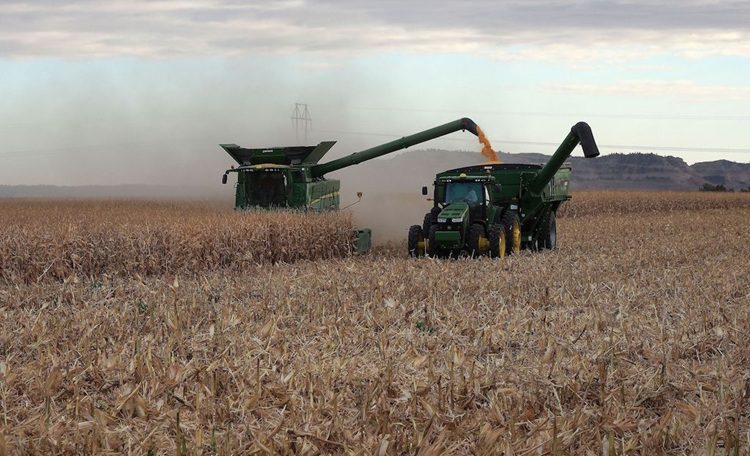
The United States Department of Agriculture (USDA) is facing mounting criticism after slashing nearly $300 million in funding tied to programs that have historically supported Black farmers and underserved agricultural communities. The decision has sparked widespread concern, with many Black farmers saying the move reinforces long-standing distrust in government institutions and threatens their already fragile livelihoods.
As debates intensify over equity in agriculture, the funding cut is being seen not just as a budgetary adjustment—but as a critical setback in the decades-long fight to address systemic discrimination in American farming.
A Historic Struggle: Black Farmers and Systemic Discrimination
To understand the magnitude of the current controversy, it is essential to look at the historical context. Black farmers in the United States have faced generations of discrimination, particularly in accessing land, credit, and federal assistance.
In the early 20th century, Black farmers owned approximately 14% of U.S. farmland. Today, that figure has plummeted to less than 2%. Experts attribute this dramatic decline to discriminatory lending practices, unequal access to USDA programs, and land dispossession through legal and bureaucratic loopholes.
Over the years, several lawsuits—including the landmark Pigford v. Glickman case—have highlighted how federal policies systematically disadvantaged Black farmers. While settlements and reforms were introduced, many farmers argue that the damage has never been fully repaired.
The $300 Million Cut: What Changed?
The USDA’s recent decision to cut approximately $300 million affects a range of initiatives aimed at supporting minority farmers, including:
- Technical assistance programs
- Debt relief initiatives
- Grants for small and socially disadvantaged farmers
- Outreach and education efforts
Officials have cited budget constraints and program restructuring as reasons behind the move. However, critics argue that the cuts disproportionately impact Black farmers and other marginalized groups who rely heavily on these programs.
For many, the timing is particularly concerning, as farmers continue to deal with rising input costs, climate-related challenges, and market volatility.
“We Can’t Rely on Them”: Farmers Speak Out
The reaction from Black farming communities has been swift and deeply emotional.
Many farmers say the funding cut reinforces a long-standing belief that government support is unreliable and inconsistent. Some describe the decision as a betrayal, especially after years of advocacy for equitable treatment.
“We’ve been promised support time and again, but when it matters most, it disappears,” said one farmer.
“At this point, we’ve learned not to depend on the government.”
This sentiment reflects a broader erosion of trust, rooted in decades of perceived neglect and broken promises.
Impact on Small and Family Farms
The funding cut is expected to hit small and family-owned farms the hardest.
Unlike large agribusinesses, these farms often operate on thin margins and depend on federal assistance for:
- Access to credit
- Modern farming equipment
- Climate resilience programs
- Market expansion opportunities
Without these resources, many farmers fear they will struggle to stay afloat.
For Black farmers—who are disproportionately represented among small-scale operations—the consequences could be particularly severe, potentially accelerating the decline in Black land ownership.
Economic Ripple Effects
The implications of the USDA’s decision extend beyond individual farmers.
1. Rural Economies at Risk
Agriculture is a key driver of rural economies. Reduced support for farmers could lead to:
- Lower agricultural output
- Job losses in farming communities
- Declining local business activity
2. Food Supply Concerns
Small farms play a crucial role in local food systems. Cuts in support could disrupt supply chains, particularly in underserved regions.
3. Widening Wealth Gap
The funding reduction may exacerbate existing inequalities in the agricultural sector, further concentrating wealth and land ownership among larger, well-capitalized entities.
Policy Debate: Equity vs Budget Constraints
The controversy has reignited debates in Washington over how agricultural funding should be allocated.
Supporters of the USDA’s decision argue that:
- Budgetary pressures necessitate difficult choices
- Programs must be streamlined for efficiency
- Resources should be distributed more broadly
Critics, however, contend that:
- Equity-focused programs are essential to correcting historical injustices
- Cuts disproportionately harm vulnerable communities
- The move undermines federal commitments to racial and economic justice
Advocacy Groups Demand Action
Civil rights organizations, farming associations, and advocacy groups have called on the federal government to reconsider the cuts.
Their demands include:
- Restoration of the $300 million in funding
- Increased transparency in program allocation
- Stronger accountability measures within the USDA
- Long-term investment in minority farming communities
Some groups are also exploring legal avenues, arguing that the cuts may violate previous commitments to address discrimination.
Climate Challenges Add Pressure
The funding cut comes at a time when farmers are already grappling with climate-related challenges, including:
- Droughts and extreme weather events
- Soil degradation
- Water scarcity
Programs funded by the USDA often provide critical support for climate adaptation. Without them, farmers may find it even harder to cope with environmental risks.
A Question of Trust and Accountability
At its core, the controversy highlights a deeper issue: trust.
For many Black farmers, the USDA’s decision is not just about money—it is about whether the government can be relied upon as a partner in their success.
Decades of perceived inequities have created a trust deficit that is difficult to overcome. Each policy decision, supporters say, either helps rebuild that trust—or further erodes it.
Looking Ahead: What Comes Next?
The path forward remains uncertain.
Possible Scenarios
- Policy Reversal: Pressure from lawmakers and advocacy groups could lead to partial or full restoration of funds
- Legislative Action: Congress may intervene to address funding disparities
- Grassroots Solutions: Farmers may increasingly turn to cooperatives and community-based support systems
Long-Term Implications
The outcome of this issue could shape the future of agricultural policy in the United States, particularly in terms of equity and inclusion.