Europe warns of Russia’s hybrid attacks but struggles to counter them
  Former chief election commissioner calls SIR scheme illegal.
  A Corruption Scandal Is Reshaping Brazil’s Presidential Election
  US citizen injured in Illinois after ICE agents mistook him for fugitive, tried to arrest him
  At 10 years old, Smithsonian’s Black museum is undaunted amid pressure from Trump administration
 War With Iran Shapes Trump’s 2027 Budget: Massive Military Push Overshadows Child Care and Social Spending
As tensions with Iran escalate, President Trump’s 2027 budget proposal prioritizes military strength over social spending, allocating a record $1.5 trillion for defense while cutting domestic programs, sparking criticism and debate over the administration’s priorities and the impact on American citizens.
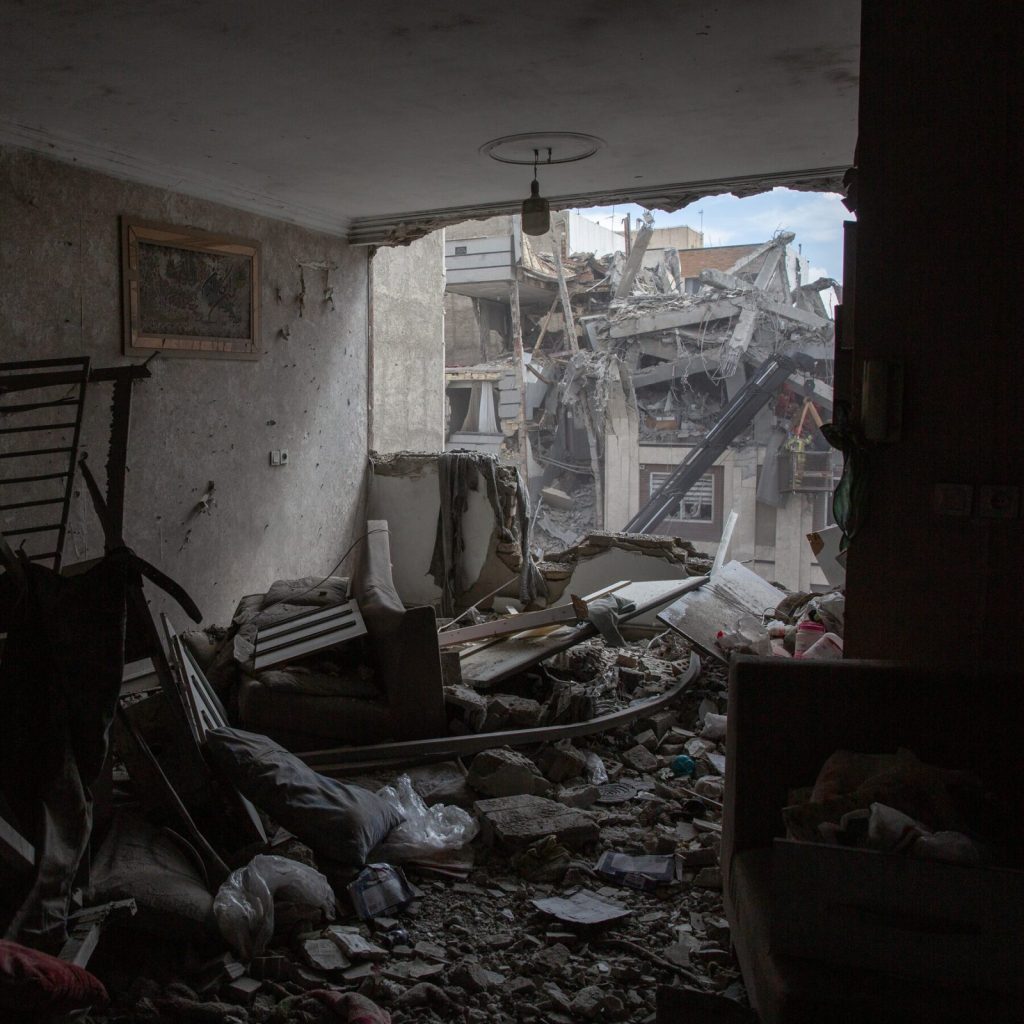
iran shapes trumps 2027:
What should a government prioritize in times of crisis—the strength of its military, or the well-being of its people?
As the United States edges deeper into geopolitical tensions with Iran, President Donald Trump’s upcoming 2027 federal budget is emerging as a defining statement of his administration’s priorities. At its core, the proposal signals a dramatic pivot toward military expansion—while sidelining domestic programs such as child care, healthcare, and social welfare.
The unfolding situation highlights a familiar but increasingly stark policy divide: national defense versus social investment. With war-related pressures mounting, Trump has made it clear which side his administration is choosing.
A Budget Defined by War-Time Thinking
President Trump’s remarks in recent days underscore a blunt philosophy: during times of conflict, the federal government must prioritize military strength above all else.
Speaking at a White House event, Trump suggested that the United States simply cannot afford expansive federal support for programs like daycare, Medicare, or Medicaid while engaged in costly military operations.
Instead, he argued that such responsibilities should fall to individual states, effectively signaling a shift away from federal involvement in key social services.
This framing aligns closely with the broader context of rising tensions with Iran. The administration has increasingly justified its fiscal decisions by citing national security threats and the need for a stronger, more prepared military.
The $1.5 Trillion “Dream Military” Vision
At the center of Trump’s 2027 proposal is an unprecedented surge in defense spending. The president has called for a military budget of $1.5 trillion, a massive increase from the approximately $901 billion allocated in 2026.
This represents one of the largest proposed military expansions in modern U.S. history.
Trump has described the plan as essential to building what he calls a “Dream Military”—a force capable of deterring global adversaries and ensuring American dominance in an increasingly unstable world.
The justification is rooted in what he repeatedly describes as “dangerous times,” marked by conflicts, rising global tensions, and strategic competition.
However, the scale of the increase—roughly a 66% jump—has raised eyebrows among economists and policy experts, who question both its feasibility and long-term impact on the federal deficit.
Domestic Programs Face the Axe
While defense spending is set to soar, domestic programs appear poised for significant cuts.
Earlier budget outlines from the Trump administration have already proposed reducing funding for:
- Public health initiatives
- Education programs
- Clean energy investments
- Social safety nets
These cuts are part of a broader strategy to reallocate federal resources toward military and security priorities.
The latest remarks about child care reinforce this trajectory. By suggesting that daycare funding should not be a federal responsibility, Trump is effectively signaling a major policy shift—one that could reshape how social services are funded across the country.
Critics argue that such changes would disproportionately affect working families, particularly those relying on federal support for child care and healthcare.
Iran Conflict Intensifies the Debate
The ongoing tensions with Iran have become a central factor shaping these decisions.
War—whether active or anticipated—comes with enormous financial costs. From troop deployments and weapons systems to intelligence operations and logistics, military engagements require sustained and substantial funding.
Trump has used this reality to justify his stance, arguing that the nation cannot simultaneously fund expansive social programs and maintain a dominant military presence.
Yet critics counter that this framing presents a false choice.
They argue that the U.S., as the world’s largest economy, has historically balanced defense spending with investments in domestic welfare—and that abandoning that balance could have long-term consequences for economic stability and social cohesion.
Political Backlash and Growing Criticism
The proposed shift in priorities has sparked strong reactions, particularly from Democratic lawmakers and policy analysts.
Critics have accused the administration of:
- Using the Iran conflict to justify cuts to essential services
- Prioritizing military expansion over citizens’ well-being
- Increasing the national debt through aggressive defense spending
Some lawmakers have also warned that reducing federal support for programs like Medicaid and child care could widen inequality and strain state budgets.
Meanwhile, fiscal experts have raised concerns about the sustainability of such a large military budget. Estimates suggest that the proposed increase could add trillions to the national debt over the coming decade if not offset by revenue.
Internal Challenges Within the Administration
Even within the Trump administration, the ambitious military spending plan has not been without complications.
Reports indicate that officials are struggling to determine how to allocate the additional hundreds of billions of dollars effectively.
Debates are ongoing over whether the funds should go toward:
- Traditional weapons and munitions
- Advanced technologies like artificial intelligence
- Modernization of existing القوات
These internal disagreements highlight a broader issue: increasing spending is one challenge, but ensuring that it is used efficiently and strategically is another.
A Shift Toward State Responsibility
One of the most significant implications of Trump’s stance on child care is the shift toward state-level responsibility.
By arguing that daycare and similar programs should be handled by states, the administration is effectively redefining the role of the federal government.
This approach could lead to:
- Greater variation in services across states
- Increased pressure on state budgets
- Potential tax increases at the state level
Supporters argue that this model promotes local control and efficiency. Critics, however, warn that it could create disparities in access to essential services, particularly in poorer states.
Economic and Social Implications
The broader implications of this budget strategy extend beyond politics.
For the Economy:
- Increased defense spending could boost certain industries, particularly defense contractors
- However, reduced social spending may limit economic mobility and workforce participation
For Families:
- Reduced federal support for child care could increase financial burdens
- Access to affordable healthcare and education may become more limited
For Global Policy:
- A stronger military could reinforce U.S. dominance
- But it may also escalate tensions and contribute to an arms race
A Defining Moment for U.S. Policy
The 2027 budget is shaping up to be more than just a financial plan—it is a statement of national priorities.
At a time of rising global tensions, particularly with Iran, the Trump administration is clearly choosing to double down on military strength.
But that choice comes with trade-offs.
By scaling back federal involvement in social programs, the administration is redefining the balance between national security and domestic welfare—a balance that has long been central to American governance.