Europe warns of Russia’s hybrid attacks but struggles to counter them
  Former chief election commissioner calls SIR scheme illegal.
  A Corruption Scandal Is Reshaping Brazil’s Presidential Election
  US citizen injured in Illinois after ICE agents mistook him for fugitive, tried to arrest him
  At 10 years old, Smithsonian’s Black museum is undaunted amid pressure from Trump administration
 CBSE Implements sweeping Reforms, Overhauls Language Curriculum by 2026
**
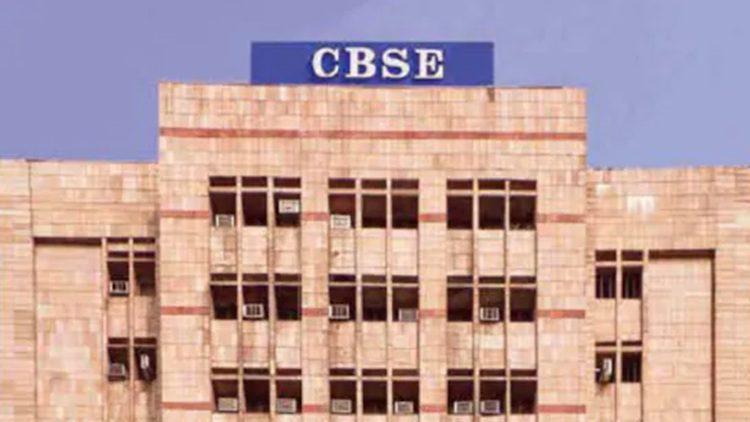
The Central Board of Secondary Education (CBSE) has unveiled a comprehensive overhaul of its curriculum, aimed at enhancing students’ language proficiency and mathematical abilities. Key reforms include the implementation of a three-language formula from class 6 by 2026 and the introduction of two-level math and science curricula in class 9. These innovative changes will shape the educational landscape for millions of Indian students.
At the heart of the reform lies a restructured language curriculum, divided into three levels: R1, R2, and R3, designed to cater to students with varying linguistic needs and aptitudes. By introducing this tiered approach, the CBSE aims to provide a more inclusive and tailored education experience for students. This model will encourage language proficiency in students, as well as facilitate cultural exchange and linguistic diversity.
Under the new language framework, students in class 6 will begin exploring their linguistic preferences, enabling them to make informed decisions about their language skills development. By class 9, the CBSE plans to introduce a rigorous two-level mathematics curriculum and a two-level science curriculum, which will enable students to engage with advanced concepts in a more personalized manner. The dual-level curricula will cater to students’ varying learning abilities, fostering a more inclusive educational environment.
While critics and proponents alike await further details on the roll-out plan, one thing is certain: these sweeping reforms mark a significant shift in the way students learn and develop language skills in India. CBSE’s decision to standardize educational content across all affiliated schools will undoubtedly raise the bar for student achievement and academic rigor.
According to officials, the three-language model, when fully implemented by 2026, will provide students with a solid grounding in multiple languages, preparing them for an increasingly interconnected and multilingual world. The CBSE has been working closely with educators, policymakers, and linguists to develop this robust framework, taking into account local language requirements, regional diversity, and international language standards.