Europe warns of Russia’s hybrid attacks but struggles to counter them
  Former chief election commissioner calls SIR scheme illegal.
  A Corruption Scandal Is Reshaping Brazil’s Presidential Election
  US citizen injured in Illinois after ICE agents mistook him for fugitive, tried to arrest him
  At 10 years old, Smithsonian’s Black museum is undaunted amid pressure from Trump administration
 Iran Civilian Infrastructure at Risk: Understanding International Law Implications
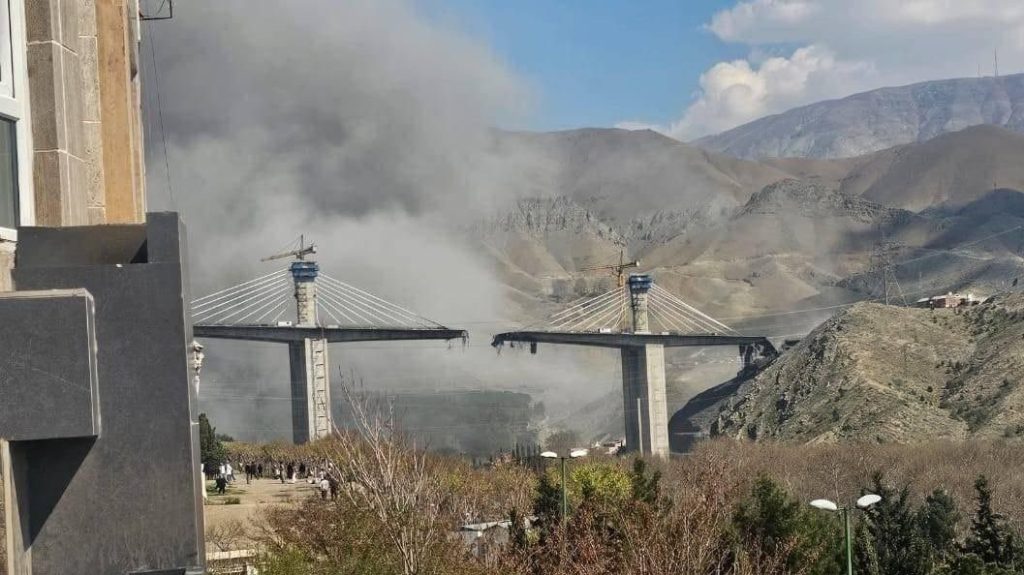
iran civilian infrastructure risk:
A potential conflict in Iran has raised concerns about the safety of civilian infrastructure, sparking a debate about the implications of international law. As tensions escalate, it is essential to examine the legal frameworks that govern the protection of civilians and civilian infrastructure during times of war. The principles of international humanitarian law, which aim to limit the effects of armed conflict on civilians, are particularly relevant in this context. These laws, enshrined in the Geneva Conventions and their Additional Protocols, impose restrictions on the use of force and the targeting of non-military objects.
The Geneva Conventions, established in 1949, set out the fundamental principles for the conduct of war, including the distinction between military targets and civilian objects. The conventions prohibit attacks on civilians, civilian housing, and infrastructure that is not being used for military purposes. The Additional Protocols, adopted in 1977 and 2005, further clarify the rules for the protection of civilians and civilian objects. Article 52 of the First Additional Protocol, for example, defines military objectives as those that make an effective contribution to military action and whose destruction offers a definitive military advantage.
In the event of a conflict in Iran, these laws would apply to all parties involved, including state and non-state actors. The protection of civilian infrastructure, such as hospitals, schools, and power plants, would be a critical concern. International law requires that these facilities be spared from attack, unless they are being used for military purposes, such as sheltering combatants or storing military equipment. Even in such cases, the principles of proportionality and distinction must be respected, ensuring that any attack is proportionate to the military advantage anticipated and that civilians are not disproportionately harmed.
The International Committee of the Red Cross and other humanitarian organizations have emphasized the importance of respecting international humanitarian law in conflicts. These organizations have called on all parties to take steps to protect civilians and civilian infrastructure, including by distinguishing between military targets and civilian objects, verifying the nature of targets before attacking, and taking all feasible precautions to avoid or minimize harm to civilians.
In recent years, the use of advanced technologies, such as drones and cyber warfare, has raised new questions about the application of international law in conflicts. The principles of international humanitarian law, however, remain unchanged, and all parties to a conflict are expected to comply with these rules. As tensions in Iran continue to escalate, it is crucial that all parties involved respect the principles of international law and take steps to protect civilians and civilian infrastructure.
The international community has a critical role to play in promoting respect for international humanitarian law. Diplomatic efforts, such as those led by the United Nations and the European Union, can help to reduce tensions and promote dialogue between parties to a conflict. Additionally, organizations such as the International Court of Justice and the International Criminal Court can provide a framework for investigating and prosecuting violations of international law.
Ultimately, the protection of civilians and civilian infrastructure in Iran, or any other conflict, depends on the commitment of all parties to respect international law. By understanding and adhering to these principles, it is possible to mitigate the effects of war on civilians and promote a more humane and sustainable approach to conflict resolution. As the situation in Iran continues to unfold, it is essential that the international community remains vigilant and committed to upholding the principles of international humanitarian law.