Europe warns of Russia’s hybrid attacks but struggles to counter them
  Former chief election commissioner calls SIR scheme illegal.
  A Corruption Scandal Is Reshaping Brazil’s Presidential Election
  US citizen injured in Illinois after ICE agents mistook him for fugitive, tried to arrest him
  At 10 years old, Smithsonian’s Black museum is undaunted amid pressure from Trump administration
 Cuba Releases Dozens of Prisoners Amid US-Eased Fuel Blockade
The Cuban government has released over 200 inmates in a mass pardon, a gesture seen as humanitarian ahead of Holy Week. The move coincides with the US easing fuel restrictions, allowing a Russian tanker to reach the island and alleviate the country’s oil shortages.
cuba releases dozens prisoners:
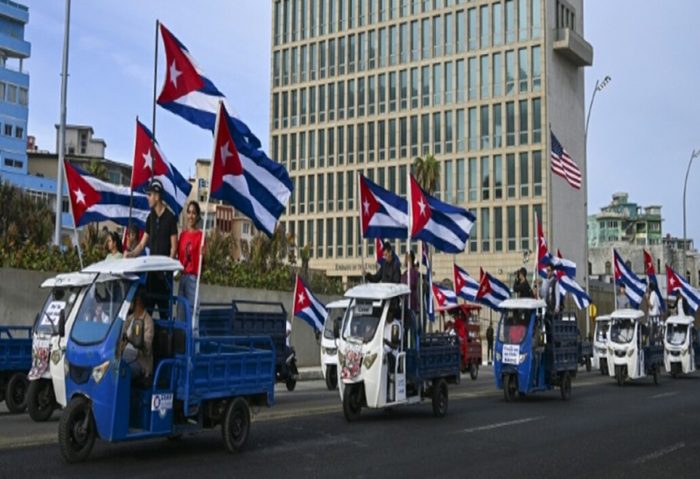
Cuban authorities have started releasing prisoners as part of a mass pardon, freeing over 200 inmates, including 20 who walked out of La Lima penitentiary in east Havana on Friday, in a move seen as a humanitarian gesture by the government ahead of Holy Week. This development comes as the US eases fuel restrictions, allowing a Russian tanker to reach the island, alleviating the country’s oil shortages.
The mass pardon is the second such release in less than a month, with 2,010 inmates set to be freed, following heightened US pressure. The pardon is seen as an attempt by the Cuban government to show leniency to its citizens while dealing with the consequences of US sanctions. The country’s energy crisis has been exacerbated by the blockade, which restricts imports.
La Lima penitentiary, the site of the release, was one of the locations where dozens of prisoners were held. Relatives had gathered outside, eagerly awaiting the release of their loved ones. Many family members were visibly emotional, hugging and crying as they reunited with the released inmates.
Details of which prisoners will be pardoned remain unclear. However, sources suggest that the pardoned inmates will be part of a broader release, expected to take place over the coming weeks. The decision is part of a broader effort by the Cuban government to address public concerns amid the energy crisis.
The ease of US fuel restrictions, coupled with the mass pardon, marks a notable shift in Cuba’s relations with the US. Washington’s relaxed stance on fuel imports, particularly in light of the Russian oil tanker delivery, has been seen as a gesture towards easing tensions between the nations.
Critics argue that the move is a result of increased pressure from Washington rather than a genuine humanitarian gesture. Others believe the move aims to alleviate suffering ahead of Holy Week, a period marked by significant Catholic observance in Cuba.
The Cuban government’s motivation behind the pardon remains unclear, but the release of prisoners and eased fuel restrictions suggest a delicate balancing act between domestic concerns and international pressure.