Europe warns of Russia’s hybrid attacks but struggles to counter them
  Former chief election commissioner calls SIR scheme illegal.
  A Corruption Scandal Is Reshaping Brazil’s Presidential Election
  US citizen injured in Illinois after ICE agents mistook him for fugitive, tried to arrest him
  At 10 years old, Smithsonian’s Black museum is undaunted amid pressure from Trump administration
 Major Earthquake Hits Hindu Kush Region in Afghanistan, Sending Strong Tremors Across North India
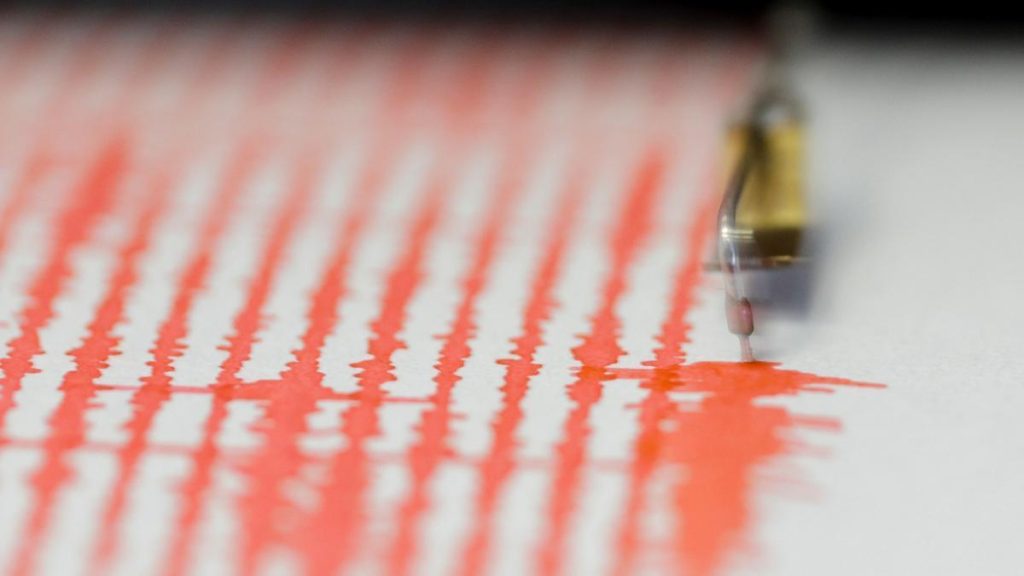
Delhi-NCR Shaken by Earthquake Tremors: What Happened Today
Residents across Delhi-NCR and several parts of North India experienced sudden tremors on April 3, 2026, as an earthquake measuring around 5.9 magnitude struck the Hindu Kush region of Afghanistan. The seismic activity, though originating outside India, was strong enough to send noticeable shockwaves across the northern plains, including the national capital region.
People in Delhi, Noida, Gurugram, Ghaziabad, and nearby cities reported feeling buildings shake, ceiling fans sway, and furniture vibrate for a few seconds. While the tremors were relatively brief, they were strong enough to create widespread panic, with many residents rushing out of homes and offices.
Epicentre in Afghanistan: Why Delhi Felt the Tremors
According to early seismic reports, the earthquake originated in the Hindu Kush mountain region of Afghanistan, a highly active seismic zone known for frequent tectonic activity.
This region lies along a major fault line where the Indian and Eurasian tectonic plates interact. Because of this geological setting, earthquakes originating in Afghanistan often travel long distances and are felt across northern India, Pakistan, and even parts of Central Asia.
The depth and magnitude of the earthquake played a key role in its wide impact. Even though the epicentre was hundreds of kilometres away, the energy released was sufficient to be felt strongly in India’s northern belt.
Tremors Across North India: Cities Affected
The earthquake was not limited to Delhi alone. Reports confirmed tremors across multiple states, including:
- Delhi-NCR (Delhi, Noida, Gurugram, Ghaziabad)
- Haryana
- Punjab
- Jammu & Kashmir
- Uttar Pradesh
- Himachal Pradesh
In several high-rise buildings across NCR, residents reported more intense shaking due to structural amplification at higher floors.
Panic Among Residents: “Everything Started Shaking”
Eyewitnesses described moments of confusion and fear as the tremors struck unexpectedly.
- People rushed out of homes and offices
- Office workers evacuated buildings mid-workday
- Residents gathered in open areas for safety
- Social media flooded with posts and videos showing swaying lights and moving objects
Although the tremors lasted only a few seconds, the suddenness created anxiety, especially among those living in high-rise apartments.
No Immediate Reports of Major Damage or Casualties
As of now, there are no confirmed reports of casualties or major structural damage in Delhi-NCR or surrounding regions.
Authorities continue to monitor the situation, and emergency services remain on alert. Minor cracks or localized damage, if any, are still being assessed.
Why Delhi is Vulnerable to Earthquakes
Delhi is classified under Seismic Zone IV, which means it is considered a high-risk earthquake zone.
Key reasons for vulnerability:
- Proximity to the Himalayas (one of the most active seismic belts)
- Presence of multiple fault lines near Delhi
- Dense population and rapid urbanisation
- High number of high-rise buildings
Experts warn that even moderate earthquakes can have significant impact in such densely populated areas.
History of Earthquakes in Delhi-NCR
Earthquakes are not uncommon in the Delhi region. Over the years, several tremors of varying intensity have been recorded:
- 2026: Minor 2.8 magnitude quake in North Delhi
- 2025: 4.4 magnitude earthquake in Jhajjar felt across NCR
- Multiple low to moderate tremors recorded annually
Historically, stronger earthquakes (above magnitude 6) have also impacted regions near Delhi, though less frequently.
This pattern highlights that seismic activity in and around Delhi is ongoing and cannot be ignored.
Scientific Explanation: How Tremors Travel So Far
Earthquake waves travel through the Earth’s crust in different forms:
- P-waves (Primary waves): Fastest, felt first
- S-waves (Secondary waves): Cause more shaking
- Surface waves: Responsible for most damage
In this case, the earthquake’s magnitude and geological pathway allowed these waves to travel long distances, reaching India with noticeable intensity.
Impact on Daily Life
The tremors briefly disrupted normal life across affected regions:
- Office work paused in many corporate hubs
- Schools reported mild panic among students
- Metro commuters felt vibrations in some areas
- Temporary evacuation of buildings
However, services resumed quickly as the tremors subsided.
Authorities Issue Safety Advisory
Following the tremors, authorities advised citizens to remain calm and follow earthquake safety guidelines:
During an Earthquake:
- Drop, Cover, and Hold
- Stay away from windows and heavy objects
- Avoid using elevators
After an Earthquake:
- Check for injuries
- Avoid damaged structures
- Stay alert for aftershocks
Emergency teams and disaster management agencies remain prepared for any further developments.