Europe warns of Russia’s hybrid attacks but struggles to counter them
  Former chief election commissioner calls SIR scheme illegal.
  A Corruption Scandal Is Reshaping Brazil’s Presidential Election
  US citizen injured in Illinois after ICE agents mistook him for fugitive, tried to arrest him
  At 10 years old, Smithsonian’s Black museum is undaunted amid pressure from Trump administration
 Supreme Court Warns Gujarat Over Prolonged Remission Delays, Risk of Illegal Detention and Official Contempt
** “The Supreme Court has issued a stern warning to the Gujarat government over delayed remission policy implementation, threatening contempt proceedings for officials and risking prolonged detention of prisoners. With a backlog of 100,000 prisoners nationwide awaiting remission reviews, the timely resolution of this issue is crucial.”
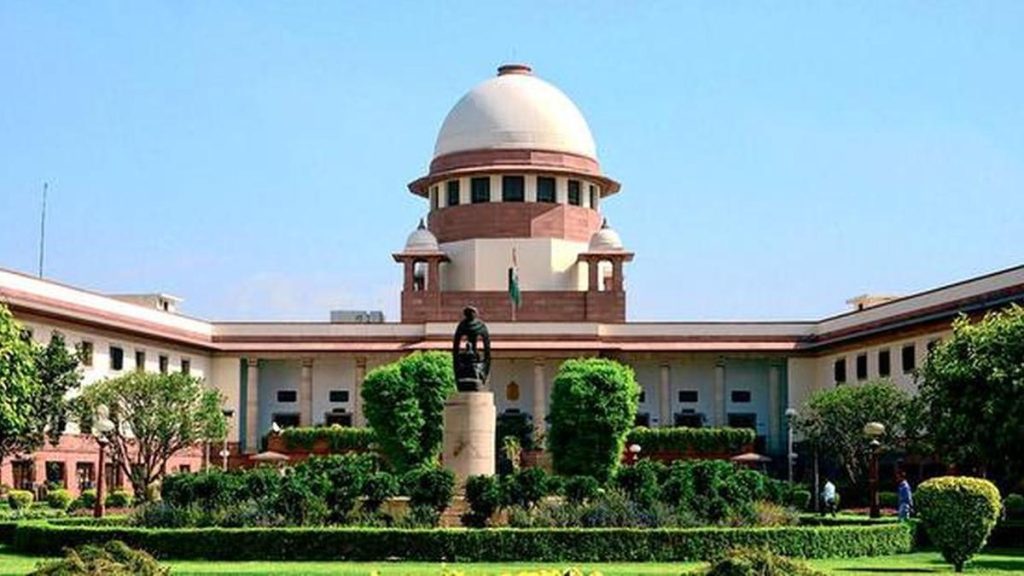
In a stern warning to the Gujarat government, the Supreme Court of India has cautioned that undue delays in implementing its remission policy may lead to the illegal detention of prisoners and potentially incite contempt proceedings against state officials responsible for the delay. The court’s rebuke comes after a long-standing concern over Gujarat’s sluggish response to its orders on remission.
According to official records, remission is intended to reduce prison sentences for eligible inmates, promoting rehabilitation and reintegration into society upon release. The Supreme Court initially issued directives in 2013 to standardize remission policies across Indian states, aiming to ensure consistency and fairness in the application of this law. Despite repeated orders and extensions, Gujarat has struggled to implement its policy, resulting in a significant backlog of prisoners awaiting remission reviews.
Remission is a critical component of Indian prison policy, providing an avenue for eligible inmates to demonstrate good behavior, complete educational or vocational courses, and eventually secure reduced sentences. Critics argue that Gujarat’s delay has resulted in prolonged detention, exacerbating the difficulties faced by inmates re-entering society upon release. With a growing focus on rehabilitation and parole reform, the Supreme Court’s warning highlights the need for prompt action from the Gujarat government.
The court’s stern warning underscores the importance of adhering to existing guidelines and policies. Officials in Gujarat have expressed commitment to streamlining the remission process, but implementation has been slow to materialize. As the nation grapples with the complexities of its prison system, the Supreme Court’s intervention aims to ensure a balanced approach that prioritizes both inmate rehabilitation and public safety.
Gujarat’s response to the Supreme Court’s warning will be closely watched, as the state’s officials strive to rectify the ongoing delay in remission policy implementation. Any failure to comply may result in further action, including contempt proceedings against culpable officials, underscoring the gravity of the situation.
With an estimated 100,000 prisoners nationwide awaiting remission reviews, the timely resolution of this issue is crucial. The Supreme Court’s action represents a significant step towards addressing long-standing concerns over the remission backlog, and a renewed commitment to upholding the principles of justice and rehabilitation in India’s prison system.