Europe warns of Russia’s hybrid attacks but struggles to counter them
  Former chief election commissioner calls SIR scheme illegal.
  A Corruption Scandal Is Reshaping Brazil’s Presidential Election
  US citizen injured in Illinois after ICE agents mistook him for fugitive, tried to arrest him
  At 10 years old, Smithsonian’s Black museum is undaunted amid pressure from Trump administration
 Trump Relents on Iran Crisis, but Uncertainty Persists Over Strait of Hormuz Reopening
In a sudden shift, President Trump has abandoned his ultimatum to Iran, following warnings of a potential military conflict. The U.S. administration now signals a willingness to engage in talks with Iran, sparking questions and concerns over the terms and conditions of a possible agreement.
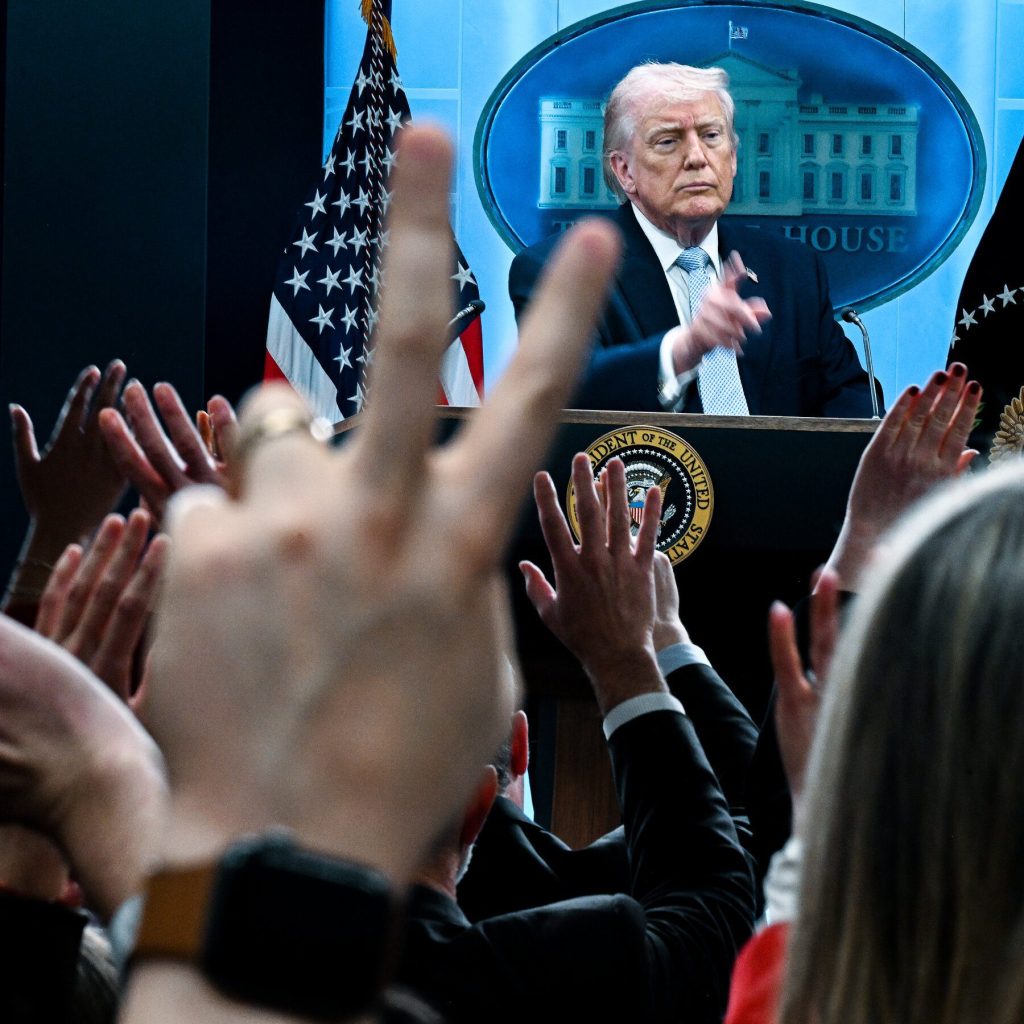
trump relents iran crisis:
In a sudden shift in stance, President Donald Trump has abandoned his ultimatum to Iran, following warnings of a potential military conflict in the Middle East. The escalation began on Tuesday when Trump threatened to “wipe out” Iran’s civilization if Tehran did not immediately reopen the strategic Strait of Hormuz, a vital waterway through which a significant portion of the world’s oil supplies pass.
The crisis marked a critical juncture in the already tense relations between the United States and Iran. Iranian officials responded robustly, vowing to retaliate if their oil exports were disrupted, and warning of a devastating response should the U.S. attempt to take control of the Strait.
As international pressure mounted, the U.S. administration reversed course, signaling a willingness to engage in talks with Iran. The sudden shift has sparked questions and concerns over the terms and conditions of a possible agreement. Critics, including key lawmakers and former military officials, continue to express doubt over Iran’s concessions, pointing out that the Islamic republic has consistently sought to strengthen its military capabilities.
Iranian leaders maintain they will not back down on key points, including the right to export oil through the Strait of Hormuz. Despite the easing of tensions, the risk of a military confrontation remains significant, with U.S. and Iranian military vessels continuing to face off in the region.
The Strait of Hormuz has been a focal point for regional tensions since the beginning of the year, with the U.S. imposing economic sanctions on Tehran. The crisis highlights the delicate geopolitical balance in the Middle East, with key players, including the European Union and Saudi Arabia, working to prevent a full-scale conflict.
Key stakeholders are now focused on the details of a potential U.S.-Iran agreement, with the need for clarity on oil exports, military cooperation, and other contentious issues. Diplomats are set to engage in high-level talks, seeking a resolution that balances the competing interests of all parties involved.
The U.S. administration’s change of tack follows weeks of escalating violence in the region, including the downing of a U.S. drone and the seizure of oil tankers. While tensions have eased for the time being, the crisis exposes the fragility of international relations, particularly in sensitive hotspots like the Middle East.
In a statement, senior officials in the U.S. administration maintained that talks with Iran would provide a path forward for constructive dialogue, while