Europe warns of Russia’s hybrid attacks but struggles to counter them
  Former chief election commissioner calls SIR scheme illegal.
  A Corruption Scandal Is Reshaping Brazil’s Presidential Election
  US citizen injured in Illinois after ICE agents mistook him for fugitive, tried to arrest him
  At 10 years old, Smithsonian’s Black museum is undaunted amid pressure from Trump administration
 Germany Sees Unprecedented Petrol Price Surge Amid EU Neighbors
German petrol prices have surpassed the €2 per liter mark, rising by over 15% since the Iran conflict began. Analysts point to the new pricing rule as a key factor, creating a distinct set of circumstances setting German petrol prices apart from other EU nations. The implications on the broader economy remain a pressing concern, fueling debates and calls for policy action.
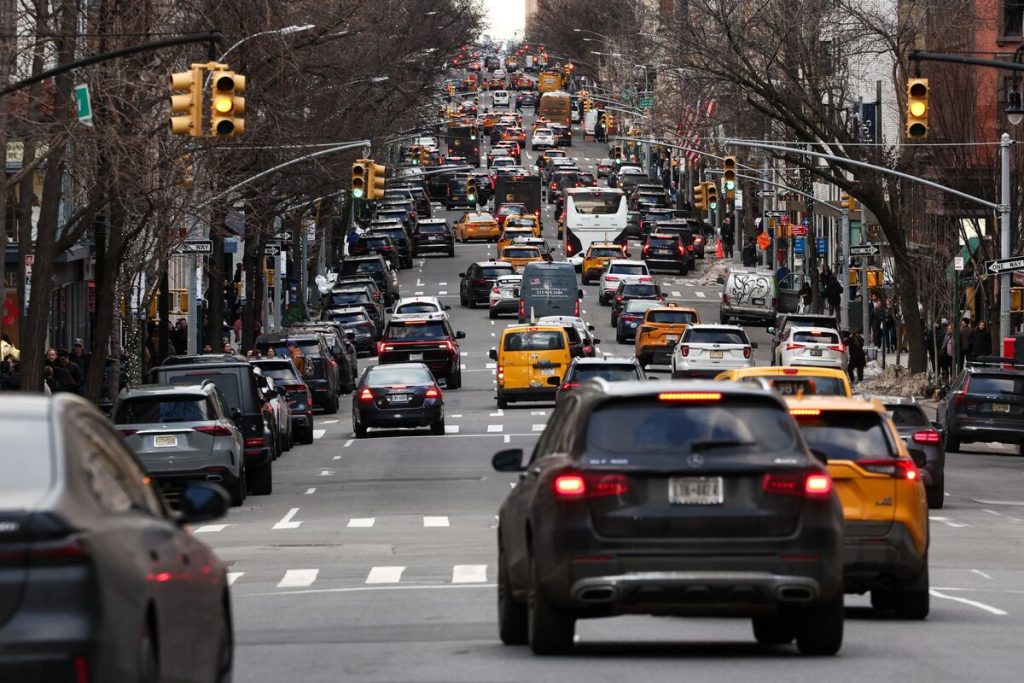
In a notable development, Germany has witnessed a significant surge in petrol prices, exceeding the pace of its European Union counterparts, following the introduction of a new pricing rule. This trend has sparked widespread interest, with industry observers closely monitoring the situation. As of the latest available data, German petrol prices have shown a marked increase, leading to a substantial divergence from the pricing patterns seen in other EU countries. German petrol prices have soared past €2 per liter, rising over 15% since the Iran conflict began, outpacing EU neighbors. As of early April 2026, average prices for Super E10 reached over €2.129 per liter, with diesel hitting €2.327, marking some of the highest levels on record.
The new pricing rule, which has been in effect since its implementation, has been identified as a key factor contributing to the rapid escalation of petrol prices in Germany. According to reports, the rule has led to a more direct correlation between international crude oil prices and domestic petrol prices, resulting in a pronounced impact on the German market.
Industry experts point out that the unique characteristics of the German market, combined with the effects of the new pricing rule, have created a distinctive set of circumstances. These factors have, in turn, influenced the trajectory of petrol prices in the country, setting them apart from the patterns observed in other EU nations.
Data indicates that the gap between German petrol prices and those in other EU countries has been widening steadily. This disparity has prompted discussions among policymakers, industry stakeholders, and consumers, who are seeking to understand the implications of the new pricing rule and its effects on the broader economy.
The German government has been monitoring the situation closely, taking note of the concerns raised by various stakeholders. While the government has not yet announced any specific measures to address the issue, it is likely that the matter will continue to receive attention in the coming weeks and months.
As the situation continues to evolve, it remains to be seen how the dynamics of the German petrol market will unfold. The interplay between international crude oil prices, the new pricing rule, and the responses of industry stakeholders and policymakers will be critical in shaping the future trajectory of petrol prices in Germany.
In the context of the European Union, the developments in Germany serve as a reminder of the complexities and nuances of the energy market. The varying responses of different EU countries to changes in the global energy landscape underscore the need for ongoing dialogue and cooperation among member states.
The impact of the new pricing rule on German petrol prices is a story that will continue to unfold, with potential implications for consumers, businesses, and the broader economy. As new developments emerge, they will be closely watched by stakeholders and observers seeking to understand the evolving landscape of the energy market in Germany and beyond.