Europe warns of Russia’s hybrid attacks but struggles to counter them
  Former chief election commissioner calls SIR scheme illegal.
  A Corruption Scandal Is Reshaping Brazil’s Presidential Election
  US citizen injured in Illinois after ICE agents mistook him for fugitive, tried to arrest him
  At 10 years old, Smithsonian’s Black museum is undaunted amid pressure from Trump administration
 Emperor Penguins Slip into “Endangered” Category Amid Worsening Climate Crisis
** In a stark reminder of climate change’s far-reaching consequences, the International Union for Conservation of Nature (IUCN) has downgraded Emperor Penguins from “Vulnerable” to “Endangered” due to rapid population declines caused by sea ice loss. Researchers emphasize the need for urgent conservation efforts to protect this iconic Antarctic species.
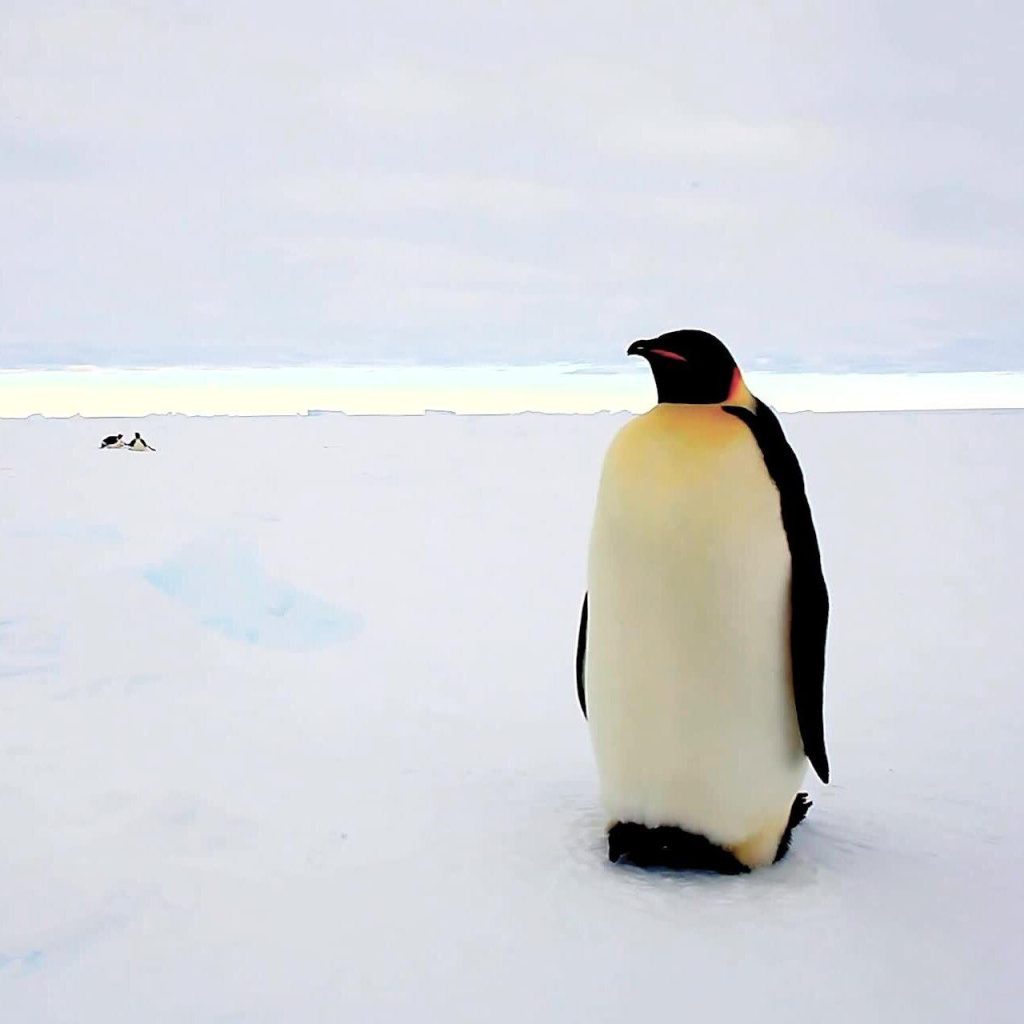
emperor penguins slip endangered:
The International Union for Conservation of Nature (IUCN) has updated its Red List, downgrading Emperor Penguins from “Vulnerable” to “Endangered” due to rapidly declining populations. This decision, made in response to mounting research on the impact of climate change, underscores the urgent need for conservation efforts to protect the iconic Antarctic species.
Rising global temperatures are causing severe declines in the sea ice that Emperor Penguins rely on for breeding, feeding, and shelter. According to researchers, the loss of sea ice has left penguin colonies struggling to survive, leading to alarming population declines. As Emperor Penguins struggle to adapt to the changing environment, their numbers are dwindling at an alarming rate.
Climate change is the primary driver behind the decline of Emperor Penguin populations. Thinning sea ice reduces the availability of breeding and feeding grounds, forcing penguins to spend more energy searching for food and shelter. This energy expenditure can lead to malnutrition and reduced breeding success, further exacerbating population declines.
As the IUCN Red List revision highlights, Emperor Penguins are not the only species suffering the effects of climate change. The Arctic and Antarctic regions are home to a disproportionate number of endangered species, many of which rely on sea ice for survival. To mitigate the effects of climate change and prevent further population declines, researchers emphasize the need for immediate and sustained conservation efforts.
The IUCN Red List revision serves as a stark reminder of the urgent need for climate action. Emperor Penguins are an important indicator species, and their declining numbers signal the far-reaching consequences of climate change. By downgrading Emperor Penguins to “Endangered,” the IUCN is urging policymakers and conservationists to take prompt action to protect vulnerable ecosystems and prevent further extinctions.
Researchers and conservationists are working together to develop targeted conservation strategies for Emperor Penguins. These efforts include habitat restoration, climate-resilient breeding programs, and education campaigns to raise awareness about the urgent need for climate action.
As the world grapples with the existential threat of climate change, the IUCN Red List revision serves as a call to action. By acknowledging the severe impact of climate change on Emperor Penguin populations, we can begin to address the root causes of this decline and take steps towards a more sustainable future for this iconic species.