Europe warns of Russia’s hybrid attacks but struggles to counter them
  Former chief election commissioner calls SIR scheme illegal.
  A Corruption Scandal Is Reshaping Brazil’s Presidential Election
  US citizen injured in Illinois after ICE agents mistook him for fugitive, tried to arrest him
  At 10 years old, Smithsonian’s Black museum is undaunted amid pressure from Trump administration
 US-Iran Tensions Reach a Boiling Point as Both Sides Refuse to Back Down
** Tensions between the United States and Iran have escalated to a critical level, with both sides refusing to back down. The situation has sparked fears of a devastating conflict, with the international community watching with growing concern. Will diplomatic efforts be enough to prevent a catastrophic clash, or will the situation spiral out of control?
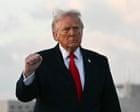
usiran tensions reach boiling:
The ongoing crisis in the Middle East has taken a turn for the worse, with Iranian negotiator Mohammad Baqer Qalibaf stating that his country will not back down in the face of threats from the United States. According to Iranian state media, Qalibaf said “if you fight, we will fight,” in response to US President Donald Trump’s warnings of a potential blockade of the Strait of Hormuz. The situation has been further complicated by Trump’s threat to bomb Iran’s water treatment facilities, raising concerns about the humanitarian implications of such an action.
The diplomatic efforts to ease tensions between the US and Iran have so far been unsuccessful. A US delegation, including JD Vance, recently left Pakistan after failing to reach a deal with Iranian officials. The talks, which lasted for 21 hours, were seen as a last-ditch attempt to resolve the crisis through diplomatic means. However, the lack of progress has raised fears that the situation could escalate into a full-blown conflict.
The US Navy has been deployed to the region, with the aim of enforcing a blockade of the Strait of Hormuz. This strategic waterway is a critical conduit for international oil trade, and any disruption to traffic could have significant economic implications. The US has cited concerns about Iranian aggression as the reason for its actions, but Tehran has denounced the move as an act of aggression.
Meanwhile, tensions between Israel and its neighbors continue to simmer. The Israel Defense Forces (IDF) reported that it had identified and struck a rocket launcher in southern Lebanon, which was allegedly poised to launch an attack on Israeli territory. The incident occurred in the Jouaiyya area, and the IDF claimed that its rapid response had thwarted the launch. The situation in the region remains volatile, with multiple flashpoints and a high risk of miscalculation.
The international community is watching the situation with growing concern, as the potential for a wider conflict grows. The US-Iran standoff has been exacerbated by the lack of diplomatic progress, and the involvement of other regional actors has added to the complexity of the crisis. As the situation continues to unfold, it remains to be seen whether diplomatic efforts can still succeed in resolving the crisis, or if the region is headed for a period of prolonged instability.
The US and its allies have been urging Iran to return to the negotiating table, but so far, there has been little sign of movement from Tehran. The Iranian government has been seeking concessions from the US, including the lifting of economic sanctions, but Washington has been reluctant to give ground. The stalemate has raised fears that the crisis could drag on for months, with potentially disastrous consequences for the region and the global economy.
As the situation continues to evolve, one thing is clear: the Middle East is facing a period of unprecedented uncertainty and risk. The international community will be watching the situation closely, hoping that diplomatic efforts can still succeed in resolving the crisis and preventing a wider conflict.