Europe warns of Russia’s hybrid attacks but struggles to counter them
  Former chief election commissioner calls SIR scheme illegal.
  A Corruption Scandal Is Reshaping Brazil’s Presidential Election
  US citizen injured in Illinois after ICE agents mistook him for fugitive, tried to arrest him
  At 10 years old, Smithsonian’s Black museum is undaunted amid pressure from Trump administration
 West Bengal Forest Minister Warns of Potential Threats to Tribal Identity Under Uniform Civil Code
** West Bengal’s Forest Minister has warned that the proposed Uniform Civil Code could potentially erase the unique cultural and social identities of tribal communities in India. The minister, a vocal advocate for tribal rights, has expressed concerns that policymakers must prioritize diverse perspectives and concerns of minority communities during the implementation of a uniform civil code.
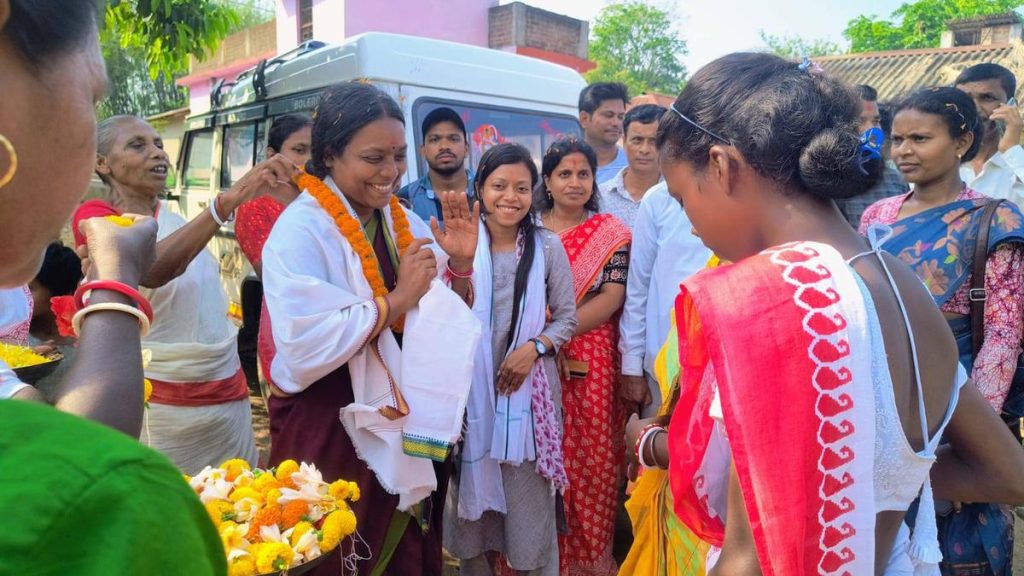
West Bengal Forest Minister has expressed concerns that the proposed Uniform Civil Code (UCC) could potentially erase tribal identity. The minister, who hails from a tribal community, has been a vocal advocate for the rights and recognition of tribal people in the state. She has consistently raised demands for the recognition of the tribal religious code, among other issues, during her discussions with the Chief Minister. This recent statement highlights the minister’s deep-seated concerns about the potential consequences of implementing a uniform civil code on the unique cultural and social identities of tribal communities.
The Forest Minister’s concerns are rooted in her own experiences as a member of a tribal community. She has emphasized the importance of preserving and recognizing the distinct cultural practices and traditions of tribal people. The recognition of the tribal religious code is a key demand that the minister has been pushing for, as it is an essential aspect of tribal identity. By speaking out on this issue, the minister is drawing attention to the potential risks of implementing a uniform civil code without adequate consideration for the diverse cultural and social contexts of different communities.
The debate around the Uniform Civil Code has been ongoing, with various stakeholders weighing in on its potential implications. While some argue that a uniform civil code could help streamline laws and promote national integration, others, like the West Bengal Forest Minister, are concerned about its potential impact on minority communities. The minister’s statement serves as a reminder that any discussion around the UCC must take into account the diverse perspectives and concerns of different communities.
The Forest Minister’s advocacy for tribal rights is not limited to the recognition of the tribal religious code. She has also been working to address other pressing issues affecting tribal communities, such as access to education, healthcare, and economic opportunities. By raising her voice on these issues, the minister is helping to bring attention to the unique challenges faced by tribal people and the need for policies that support their development and well-being.
As the debate around the Uniform Civil Code continues, it is essential to consider the perspectives of different stakeholders, including those from tribal communities. The West Bengal Forest Minister’s concerns highlight the need for a nuanced and inclusive approach to any discussion around the UCC. By listening to the voices of minority communities and taking their concerns into account, policymakers can work towards creating laws that promote social justice and equality for all.