Europe warns of Russia’s hybrid attacks but struggles to counter them
  Former chief election commissioner calls SIR scheme illegal.
  A Corruption Scandal Is Reshaping Brazil’s Presidential Election
  US citizen injured in Illinois after ICE agents mistook him for fugitive, tried to arrest him
  At 10 years old, Smithsonian’s Black museum is undaunted amid pressure from Trump administration
 US Experiencing Decline in World Cup Visitors and Hotel Bookings Ahead of 2026 Tournament
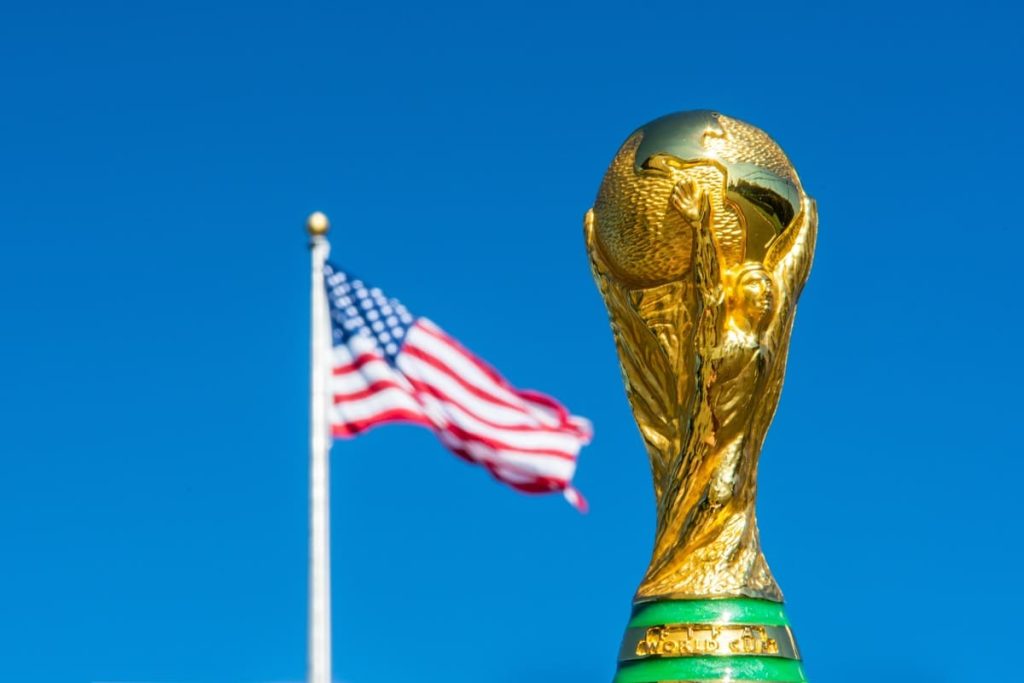
experiencing decline world visitors:
The United States is bracing for a potential downturn in tourism as it prepares to host the 2026 World Cup, with reports emerging of a decline in visitor numbers and hotel cancellations. As one of the co-hosts of the prestigious international soccer tournament, alongside Canada and Mexico, the US had anticipated a significant influx of travelers from around the globe. However, with just over two years to go before the tournament kicks off, there are growing concerns that the country may not see the expected surge in tourism.
The 2026 World Cup is scheduled to take place in 16 cities across the US, Canada, and Mexico, with the US hosting the majority of the matches. While the tournament is expected to bring in substantial revenue and boost local economies, the decline in visitor numbers and hotel bookings has raised eyebrows among tourism officials and industry experts. The cause of this decline is not immediately clear, but it is likely linked to a combination of factors, including global economic uncertainty and changing travel trends.
According to industry reports, hotel cancellations have been on the rise in recent months, particularly in cities scheduled to host World Cup matches. This has left hoteliers and tourism officials scrambling to adjust their forecasts and prepare for a potentially slower-than-expected period. The decline in hotel bookings is also expected to have a ripple effect on the broader tourism industry, impacting businesses such as restaurants, bars, and tour operators that rely on visitor traffic.
The US tourism industry has been working to promote the 2026 World Cup and attract visitors from around the world. However, with the decline in visitor numbers and hotel bookings, there is a growing sense of urgency among officials to reassess their strategies and develop new plans to boost tourism. This may involve partnering with international tour operators, launching targeted marketing campaigns, and offering special promotions and packages to attract visitors.
As the 2026 World Cup approaches, the US will be closely watching the tourism trends and working to mitigate the impact of the decline in visitor numbers and hotel bookings. With its rich cultural heritage, vibrant cities, and world-class stadiums, the US is well-positioned to host a successful tournament and provide a unique experience for visitors from around the globe. Despite the current challenges, tourism officials remain optimistic about the potential of the 2026 World Cup to drive growth and boost the US economy.
The decline in visitor numbers and hotel bookings is not unique to the US, with other countries that have hosted the World Cup in recent years also experiencing similar trends. However, the US is taking steps to learn from these experiences and develop strategies to minimize the impact of the decline. By working closely with industry stakeholders, tourism officials, and international partners, the US is committed to hosting a successful and memorable 2026 World Cup that showcases the country’s hospitality and attractions to a global audience.
In the coming months, the US will continue to monitor the tourism trends and adjust its strategies as needed to ensure a successful 2026 World Cup. With the tournament just over two years away, there is still time for the US to reverse the decline in visitor numbers and hotel bookings and attract a record number of visitors to the country. The success of the tournament will depend on a range of factors, including the quality of the matches, the hospitality of the host cities, and the overall experience offered to visitors.