Europe warns of Russia’s hybrid attacks but struggles to counter them
  Former chief election commissioner calls SIR scheme illegal.
  A Corruption Scandal Is Reshaping Brazil’s Presidential Election
  US citizen injured in Illinois after ICE agents mistook him for fugitive, tried to arrest him
  At 10 years old, Smithsonian’s Black museum is undaunted amid pressure from Trump administration
 Donald Trump Takes Hardline Stance on Iran Negotiations Amid Strait of Hormuz Tensions
In a dramatic turn of events, US President Donald Trump has taken a hardline stance on negotiations with Iran, demanding that Tehran make significant concessions to end the prolonged military conflict and economic disruption. The delicate dance between the US and Iran has reached a boiling point, with Washington intensifying pressure and Iranian officials voicing skepticism about the prospects of a breakthrough.
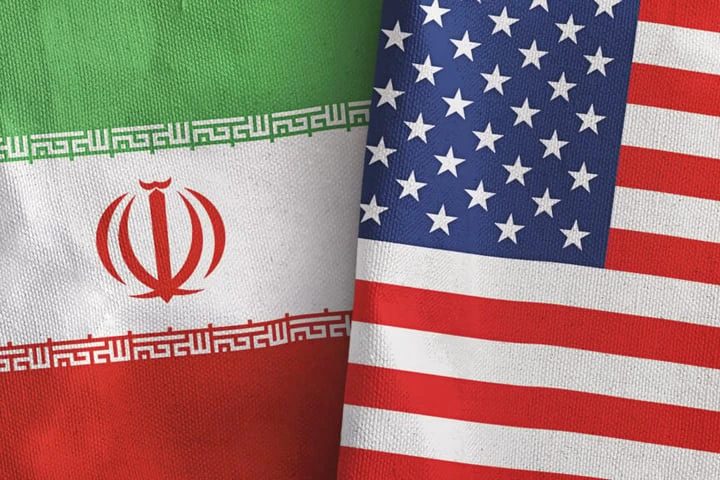
The geopolitical standoff between the United States and Iran has entered a critical phase, as U.S. President Donald Trump intensifies pressure on Tehran to accept a peace agreement while Iranian officials remain cautious, signaling skepticism about the progress and viability of ongoing negotiations.
At the center of this evolving crisis is a fragile diplomatic process unfolding against the backdrop of a prolonged military conflict, economic disruption, and heightened global anxiety over energy markets and regional stability. While Washington has projected optimism about a potential breakthrough, Tehran’s guarded stance reflects deep-rooted mistrust and unresolved strategic differences that continue to complicate efforts to end hostilities.
Trump Signals Urgency, Pushes for Deal
Donald Trump has made it clear that he wants Iran to move quickly toward accepting a peace framework. In recent statements, he emphasized that the United States holds a position of strength and expects Tehran to make significant concessions. He even suggested that Iran should effectively “surrender” to end the conflict, highlighting the aggressive tone underpinning U.S. diplomacy.
At the same time, Trump has indicated that negotiations are progressing, describing developments as “very positive” and suggesting that both sides may be nearing a potential agreement.
In a notable move, the U.S. temporarily paused its “Project Freedom” naval operation in the Strait of Hormuz—a mission designed to escort commercial vessels through one of the world’s most critical oil shipping routes. The pause was intended to create space for diplomacy and facilitate final-stage negotiations.
However, this pause does not indicate a full de-escalation. The U.S. naval blockade of Iranian ports remains in place, continuing to exert pressure on Tehran.
Tehran Casts Doubt on Progress
Despite Washington’s optimism, Iran has been far more cautious in its public messaging. Iranian officials have acknowledged ongoing discussions but have refrained from signaling any imminent agreement.
One of the central reasons for Tehran’s skepticism is the significant gap between the two sides’ expectations. Iran has submitted a comprehensive 14-point proposal aimed at ending the conflict, but analysts note that mistrust remains a major obstacle.
Trump himself has expressed doubts about the acceptability of Iran’s proposal, stating that Tehran has “not yet paid a big enough price” to justify a deal.
This mutual skepticism underscores a fundamental reality: while talks are ongoing, both sides remain far apart on key issues.
The 14-Point Proposal: What’s on the Table?
Iran’s latest peace initiative reportedly includes a wide-ranging set of demands and concessions designed to bring the war to a close. The proposal is said to focus on resolving all major issues within a defined timeframe—reportedly 30 days—rather than extending temporary ceasefires.
Key components under discussion include:
- A moratorium on uranium enrichment
- Removal or transfer of highly enriched uranium
- Sanctions relief
- Security guarantees
- Long-term framework for nuclear negotiations
According to reports, one of the most contentious issues is the duration of restrictions on Iran’s nuclear program. Tehran has proposed a shorter timeline, while the U.S. has pushed for significantly longer limits, with compromise discussions reportedly centering around a 12–15 year period.
This divergence reflects broader disagreements about trust, verification, and long-term security guarantees.
A War That Reshaped the Region
The current diplomatic push comes after months of intense conflict that began earlier in 2026. The war has involved direct military engagements, naval confrontations, and widespread disruption across the Middle East.
One of the most significant flashpoints has been the Strait of Hormuz, through which roughly a fifth of global oil and gas supplies pass. Iran’s actions in the strait, including blockades and attacks on shipping, have triggered global economic concerns and sharp fluctuations in energy prices.
The U.S. responded with a combination of military strikes and maritime operations, including the establishment of a naval blockade aimed at limiting Iran’s economic and military capabilities.
Despite a ceasefire announced in April, sporadic clashes and mutual accusations have continued, highlighting the fragile nature of the truce.
Mediation and the Role of Third Parties
A notable feature of the ongoing negotiations is the role of third-party mediators, particularly Pakistan, which has acted as a key intermediary between Washington and Tehran.
Indirect diplomacy has become the primary channel for communication, reflecting the lack of direct trust between the two sides. Messages, proposals, and counterproposals have been exchanged through intermediaries, creating a complex and often slow-moving negotiation process.
Other international actors, including China, have also been involved in facilitating discussions, adding another layer of geopolitical complexity.
Signs of Progress — But No Breakthrough Yet
Despite the challenges, there are indications that both sides are inching closer to a potential agreement.
Reports suggest that the U.S. and Iran are working toward a preliminary memorandum of understanding (MOU), which could serve as a foundation for a broader peace deal.
This draft agreement is said to include multiple points addressing both immediate ceasefire conditions and longer-term issues, such as nuclear oversight and regional security.
However, officials caution that significant hurdles remain. Internal divisions within Iran’s leadership and skepticism within the U.S. administration continue to complicate negotiations.
Strategic Calculations on Both Sides
From Washington’s perspective, the current moment represents an opportunity to secure a deal from a position of strength. The U.S. believes that its military actions and economic pressure have weakened Iran’s negotiating position.
Trump has repeatedly emphasized this view, arguing that Iran is seeking a deal privately even if it maintains a defiant public stance.
For Iran, the situation is more complex. While the country faces economic and military pressure, it also seeks to preserve its sovereignty, maintain its regional influence, and avoid appearing to capitulate under U.S. demands.
This balancing act is reflected in Tehran’s cautious approach to negotiations and its reluctance to publicly endorse any agreement prematurely.
Impact on Global Energy Markets
The conflict and subsequent negotiations have had a profound impact on global energy markets.
Disruptions in the Strait of Hormuz have led to significant increases in oil prices, with ripple effects across global economies.
The uncertainty surrounding the conflict has also contributed to volatility in financial markets, as investors weigh the risks of escalation against the possibility of a diplomatic resolution.
A successful peace agreement could stabilize energy markets and provide much-needed relief to economies already facing inflationary pressures.
Challenges Ahead
Despite the apparent progress, several key challenges remain:
1. Trust Deficit
Decades of hostility and recent military conflict have created deep mistrust between the U.S. and Iran.
2. Nuclear Issue
Disagreements over uranium enrichment and nuclear oversight remain central obstacles.
3. Internal Politics
Both countries face domestic political pressures that could influence the outcome of negotiations.
4. Regional Dynamics
The involvement of other regional actors adds complexity to the situation.
What Happens Next?
The coming days and weeks are likely to be decisive.
If both sides can bridge their differences and finalize an agreement, it could mark a turning point in U.S.-Iran relations and bring an end to months of conflict.
However, failure to reach a deal could lead to renewed escalation, with potentially severe consequences for regional and global stability.
AI Insights
The ongoing U.S.-Iran negotiations represent one of the most consequential diplomatic efforts in recent years. While Trump is pushing aggressively for a peace deal, Iran’s cautious stance highlights the significant challenges that remain.
The situation is characterized by a delicate balance between optimism and skepticism, progress and uncertainty. As talks continue, the world watches closely, aware that the outcome could reshape the geopolitical landscape for years to come.
For now, the message from both sides is clear: a deal is possible—but far from guaranteed.