Europe warns of Russia’s hybrid attacks but struggles to counter them
  Former chief election commissioner calls SIR scheme illegal.
  A Corruption Scandal Is Reshaping Brazil’s Presidential Election
  US citizen injured in Illinois after ICE agents mistook him for fugitive, tried to arrest him
  At 10 years old, Smithsonian’s Black museum is undaunted amid pressure from Trump administration
 Oil Prices Drop Sharply as Trump Signals ‘Great Progress’ in Iran Talks, Markets Rally Globally
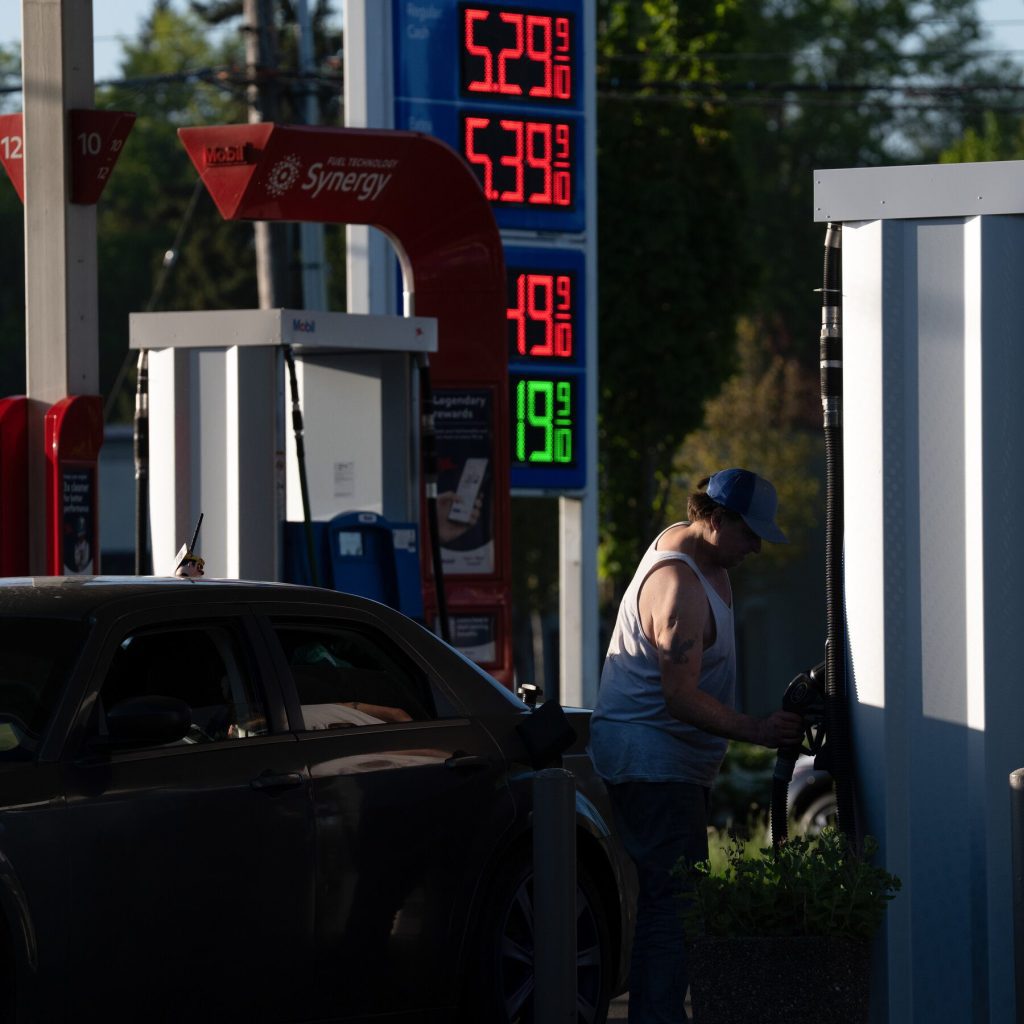
prices drop sharply trump:
May 6, 2026 | Global Markets | Live Updates
Global oil markets witnessed a sharp and sudden downturn on Wednesday, May 6, 2026, after U.S. President Donald Trump announced “great progress” in ongoing negotiations with Iran, raising hopes of a potential de-escalation in the months-long geopolitical crisis centered around the Strait of Hormuz. The development triggered a broad-based reaction across financial markets, with crude prices tumbling, equities rallying, and safe-haven assets like gold surging.
Oil Prices Significant Decline
Crude oil benchmarks fell dramatically during early trading hours as investors rapidly repriced geopolitical risk. Brent crude, the global benchmark, dropped by as much as 10–11%, slipping below the psychologically critical $100-per-barrel mark, while U.S. West Texas Intermediate (WTI) crude plunged to near $90 levels.
In some trading sessions, Brent was seen hovering just above $100, down roughly 8%, reflecting persistent volatility as markets reacted to real-time diplomatic developments.
The steep decline comes after weeks of elevated oil prices driven by supply disruptions caused by tensions in the Strait of Hormuz—a critical chokepoint responsible for nearly 20% of global oil shipments.
Trigger: Trump’s ‘Project Freedom’ Pause and Peace Signals
The immediate catalyst for the price correction was President Trump’s decision to pause “Project Freedom,” a U.S. naval initiative aimed at escorting commercial vessels through the Strait of Hormuz. While initially perceived as a strategic move to secure supply routes, the sudden halt signaled a shift from military posture to diplomatic engagement.
Trump stated that “great progress” had been made toward a “final agreement” with Tehran, urging Iran to “make the sensible choice” and move forward with negotiations.
Reports also suggest that U.S. and Iranian officials are working on a preliminary framework or memorandum that could lay the foundation for a broader peace agreement, including nuclear negotiations and maritime security guarantees.
Strait of Hormuz: The Core of the Crisis
The Strait of Hormuz has been at the center of the global energy crisis since late February 2026, when escalating military tensions led to partial blockades and attacks on shipping routes. This disruption severely constrained global oil supply, pushing prices above $110 per barrel earlier in the week.
However, fresh signals from Iran’s military leadership indicating that threats to the waterway have been “neutralized” further reinforced market expectations of a reopening of critical shipping lanes.
The possibility of restored supply flows significantly reduced the risk premium embedded in oil prices, leading to the sharp sell-off.
Global Markets React Positively
The easing of geopolitical tensions triggered a strong rally across global equity markets. Investors, who had been pricing in prolonged instability, shifted toward risk-on assets amid expectations of improved global economic conditions.
- European indices such as the FTSE 100, CAC 40, and DAX posted solid gains of over 1%
- Asian markets surged, with South Korea’s Kospi jumping more than 6%
- U.S. markets also climbed, reflecting optimism about reduced inflationary pressures
The decline in oil prices is particularly significant for inflation outlooks, as energy costs have been a major driver of global price pressures over the past quarter.
Gold Surges as Dollar Weakens
Interestingly, while oil prices dropped, gold prices surged by over 3%, reaching their highest levels in more than a week.
This seemingly contradictory movement reflects a broader macroeconomic shift:
- A weaker U.S. dollar made gold more attractive
- Expectations of lower inflation and potential interest rate cuts boosted demand for precious metals
- Investors hedged against uncertainty despite optimism in equity markets
Analysts suggest that if a full-fledged peace deal materializes, gold could continue its upward trajectory, potentially breaching the $5,000 mark later this year.
Market Interpretation: From War Premium to Peace Discount
The oil market’s reaction highlights a classic case of geopolitical risk repricing. For weeks, crude prices carried a significant “war premium”—an added cost reflecting uncertainty, supply disruption risks, and potential escalation.
With diplomatic progress now in focus, that premium is rapidly unwinding.
Key factors driving the decline include:
- Anticipation of resumed oil flows through Hormuz
- Reduced likelihood of prolonged military conflict
- Improved sentiment regarding global economic stability
- Potential easing of sanctions or trade restrictions in future agreements
Uncertainty Still Looms
Despite the optimism, analysts caution that the situation remains fluid. While initial progress has been reported, several key issues remain unresolved:
- Iran’s stance on U.S. demands and sanctions relief
- Verification mechanisms for any agreement
- Security guarantees for shipping lanes
- Broader regional tensions involving allied actors
Iran has indicated that it seeks a “fair and comprehensive agreement,” signaling that negotiations could be complex and prolonged.
Energy Markets Ahead: Volatility Likely to Continue
Market experts believe that oil prices may remain volatile in the near term as negotiations evolve. Any breakdown in talks or resurgence of hostilities could quickly reverse current trends and push prices back above $110 per barrel.
Conversely, a formal agreement or reopening of the Strait of Hormuz could lead to further downside in crude prices, potentially stabilizing markets in the $80–$95 range over the coming months.
AI Insights
The sharp drop in oil prices on May 6, 2026, underscores the powerful influence of geopolitics on global energy markets. President Trump’s announcement of “great progress” in Iran talks has shifted investor sentiment dramatically, turning a crisis-driven rally into a peace-driven correction.
While markets are currently celebrating the possibility of de-escalation, the road to a final agreement remains uncertain. For now, traders, policymakers, and global economies remain closely tied to developments in Washington and Tehran—where the next move could once again redefine the trajectory of oil, inflation, and global growth.