Europe warns of Russia’s hybrid attacks but struggles to counter them
  Former chief election commissioner calls SIR scheme illegal.
  A Corruption Scandal Is Reshaping Brazil’s Presidential Election
  US citizen injured in Illinois after ICE agents mistook him for fugitive, tried to arrest him
  At 10 years old, Smithsonian’s Black museum is undaunted amid pressure from Trump administration
 Capital One Says Trump Organization Bank Accounts Were Closed Over Anti-Money Laundering Concerns, Seeks Dismissal of Lawsuit
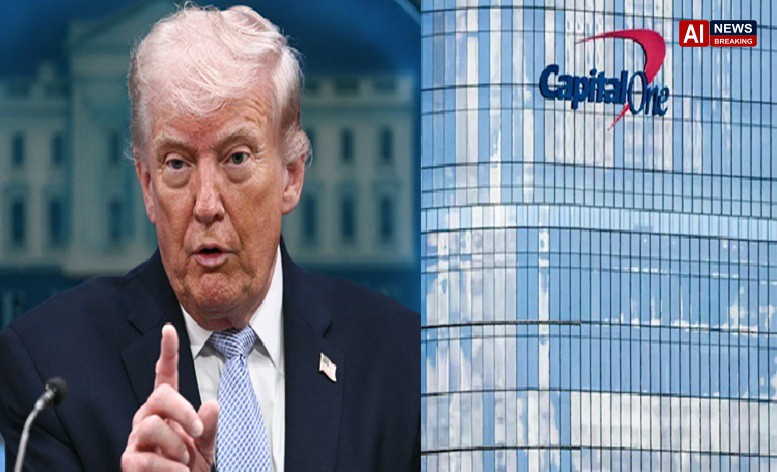
Capital One Says Trump Organization Bank Accounts Were Closed Over Anti-Money Laundering Concerns, Seeks Dismissal of Lawsuit - AI News Breaking
capital says trump organization:
Capital One Financial hit back on Friday against a lawsuit over its decision to close the Trump Organization’s bank accounts years ago, stating that it did so after a review by anti-money-laundering experts. The disclosure marks the first time a bank has formally tied money-laundering concerns to Donald Trump’s family business. Capital One is seeking to dismiss the case by casting doubt on claims of illegally debanking – or denying services on religious or political grounds – the Trump Organization.
The Trump Organization has long claimed that Capital One and other banks wrongfully shut down their accounts, leading to financial losses and reputational damage. However, Capital One’s motion to dismiss suggests the Trump Organization may have had legitimate financial concerns that the bank could no longer overlook. Financial institutions in the United States are required to follow anti-money-laundering laws and regulations to prevent illicit financial transactions.
Key Highlights
- Capital One has asked a U.S. court to dismiss the Trump Organization’s lawsuit.
- The bank says the account closures followed an anti-money laundering compliance review.
- Capital One denies that politics influenced its decision.
- The Trump Organization alleges it was wrongfully “debanked.”
- The case could shape future legal debates surrounding banking discretion and regulatory compliance.
While some have speculated that Donald Trump’s presidency and high-profile business dealings may have led to the closure of his family’s bank accounts, Capital One has taken pains to emphasize that the decision was not motivated by any political consideration. Instead, the bank claims it was the result of a detailed review by its anti-money-laundering team. According to court documents, Capital One first closed the Trump Organization’s accounts at its banking subsidiary, Capital One Bank, after determining that it could not meet stringent anti-money-laundering requirements..
Capital One’s claims appear to contradict the Trump Organization’s previous statement that it had lost its banking relationships due to debanking by financial institutions. This term is often associated with practices of discriminating against businesses or individuals based on their political or religious views. The Trump Organization has repeatedly claimed to be a victim of this type of discriminatory behavior but appears to have been contradicted by Capital One..
A spokesman for the Trump Organization dismissed the bank’s claims and suggested that its decision to close the accounts was a result of a personal feud between Trump’s business advisor and a Capital One executive. The Trump Organization claimed that Capital One had previously approved of the Trump Organization’s banking relationships and had even issued a loan of $170 million for one of its properties. However, the Trump Organization claimed to have never received the loan proceeds due to Capital One’s decision to close their accounts..
Documents filed in court suggest the anti-money-laundering concerns that Capital One had with the Trump Organization were based on a comprehensive review of its financial activities. The review allegedly found that the Trump Organization had made transactions that fell short of regulatory requirements and that some of its associates had been involved in problematic business dealings. Capital One has maintained that its decision to close the Trump Organization’s accounts was not based on any political views but rather on the need to protect the bank from potential financial risks..
Donald Trump’s personal financial dealings have long been the subject of controversy and have been the focus of intense media scrutiny. As a former US President, Trump has also come under fire for potentially violating anti-money-laundering laws and regulations in various parts of the world. Critics argue that his personal financial dealings and those of his business associates raise important questions about accountability, transparency, and adherence to international norms..
The case against Capital One and other banks could have significant implications for businesses and individuals with perceived ties to Donald Trump. The outcome of the case may also have far-reaching implications for the global banking community and could set new precedents for anti-money-laundering regulations. If the Trump Organization’s claims of debanking were to prevail, it could lead to a significant overhaul of financial regulations and practices..
Capital One’s motion to dismiss the case appears to have been carefully crafted to cast doubt on the Trump Organization’s claims of debanking. By highlighting its concerns about anti-money-laundering regulations and the need to protect the bank from financial risks, Capital One has sought to deflect attention from any potential biases or motives that may have contributed to the closure of the Trump Organization’s accounts. Some experts have argued that the case against Capital One and other banks may reflect a broader shift in the global banking landscape..
As financial institutions are facing growing pressure to increase transparency and combat money laundering, it is becoming increasingly difficult for businesses and individuals to avoid scrutiny. The Trump Organization’s reputation and financial prospects have suffered significantly over the years due to various scandals and controversies surrounding Donald Trump’s business dealings. If the Trump Organization were to lose the case against Capital One, it could lead to significant financial losses and a further strain on the business’s already-tarnished reputation..
Donald Trump and the Trump Organization have been known for their aggressive tactics in business disputes. It remains to be seen how the former US President and his team will respond to the latest development in this high-profile dispute. However, it is clear that the outcome of the case has significant implications for the Trump Organization’s financial future and reputation..
Capital One’s claims that it closed the Trump Organization’s accounts after a detailed review of anti-money-laundering concerns appear to contradict the Trump Organization’s previous statements about debanking. The outcome of the case will likely have significant implications for the Trump Organization’s business dealings and the global banking community more broadly. If the Trump Organization’s claims of debanking were to prevail, it could lead to far-reaching changes in financial regulations and practices..
However, if Capital One were to prevail, it could lead to a reevaluation of the Trump Organization’s business dealings and potentially even more scrutiny from regulatory bodies. The case against Capital One and other banks serves as a reminder of the complex and often contentious nature of financial regulations and practices. The outcome of the case has significant implications for businesses, individuals, and financial institutions around the world..
Updated: August 2, 2026
Capital One is seeking to dismiss a lawsuit over its decision to close the Trump Organization’s bank accounts, claiming it did so due to anti-money-laundering concerns rather than debanking. The bank’s claims contradict previous statements by the Trump Organization, which had claimed it lost its banking relationships due to discriminatory practices.
The revelation that Capital One closed the Trump Organization’s accounts due to anti-money-laundering concerns raises questions about the organization’s ability to maintain transparent and compliant financial dealings, potentially jeopardizing its future business relationships. The outcome of this case may set a precedent for how financial institutions navigate the complex landscape of anti-money-laundering regulations, potentially leading to increased scrutiny of high-risk clients and a more stringent regulatory environment.