Europe warns of Russia’s hybrid attacks but struggles to counter them
  Former chief election commissioner calls SIR scheme illegal.
  A Corruption Scandal Is Reshaping Brazil’s Presidential Election
  US citizen injured in Illinois after ICE agents mistook him for fugitive, tried to arrest him
  At 10 years old, Smithsonian’s Black museum is undaunted amid pressure from Trump administration
 Nida Khan Arrest Sparks Violent Clashes Between Shiv Sena, AIMIM in Maharashtra
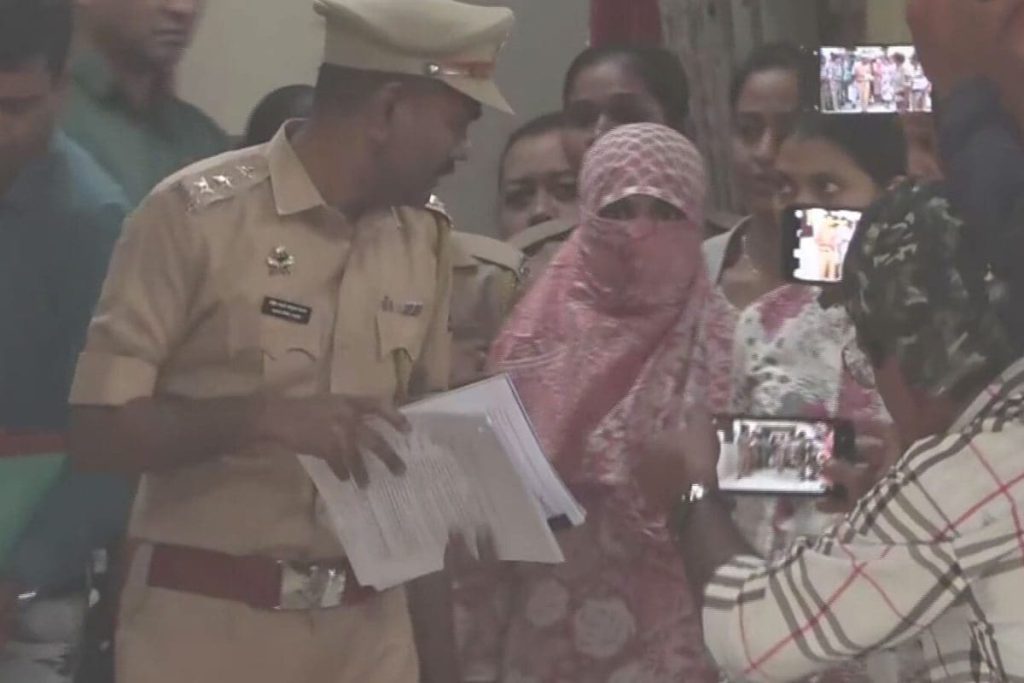
Violent Ruckus Engulfs Maharashtra Amid Arrest of Local Leader, Ruling Parties at Odds
A fierce showdown between the ruling Shiv Sena and opposition All India Majlis-e-Ittehadul Muslimeen (AIMIM) party has erupted in the Indian state of Maharashtra, with prominent AIMIM leader Nida Khan’s arrest at the epicentre.
The crisis, sparked on Monday, has left residents reeling as public property is vandalised and violence escalates.
Updated: May 8, 2026
Violent Ruckus Engulfs Maharashtra Amid Arrest of Local Leader, Ruling Parties at Odds
A fierce showdown between the ruling Shiv Sena and opposition All India Majlis-e-Ittehadul Muslimeen (AIMIM) party has erupted in the Indian state of Maharashtra, with prominent AIMIM leader Nida Khan’s arrest at the epicentre. The crisis, sparked on Monday, has left residents reeling as public property is vandalised and violence escalates.
In the Indian state of Maharashtra, a delicate balance of power has long been at play between the ruling Shiv Sena and opposition parties. However, the recent arrest of Nida Khan has pushed the tensions to a boiling point, exposing deep-seated animosity and rivalries between the two sides. According to insiders, Khan’s detention was prompted by allegations of corruption in government funds, with State Social Justice Minister and Shiv Sena stalwart Sanjay Shirsat claiming that a thorough investigation was necessary to address the issue.
Eyewitnesses have reported that as the news of Khan’s arrest spread, both the Shiv Sena and AIMIM party cadres took to the streets in force, leading to heated confrontations between rival groups. Local residents, caught in the crossfire, have expressed shock and dismay at the escalating violence, with one eyewitness stating that they never thought our elected representatives could take our state to such extremes. As violence continues to escalate, authorities have faced criticism over their handling of the situation, with many accusing them of targeted harassment.
Amid the chaos, State police have maintained that Khan’s detention was carried out in accordance with applicable laws, prompting strong rebukes from the opposition party leaders. AIMIM leaders have termed the arrest as a clear example of vendetta politics, underscoring tensions that have been simmering beneath the surface in Maharashtra for years. The situation has become increasingly emblematic of a broader Indian dilemma, where politicians and parties frequently clash in high-stakes battles.
At the heart of the crisis lies a question of legitimacy, as both parties struggle to assert dominance in the state. With Khan’s arrest sparking widespread discontent, critics argue that the government’s handling of the situation reflects a disturbing trend of authoritarianism and suppression of opposition voices. In the name of enforcing law and order, the government is attempting to gag its opponents, said an opposition leader, condemning the move.
While tensions continue to rise in Maharashtra, concerns are growing about the potential risks to law and order and the impact on the state’s economy. Businesses have expressed unease over the escalating violence, with many weighing the option of relocating their operations or reducing investment. Local news agencies have reported a sharp rise in incidents of public property damage, including vandalised buses, uprooted street lamps, and broken storefronts.
As the confrontation between Shiv Sena and AIMIM continues to unfold, many experts have expressed fear that the standoff may have far-reaching implications for India’s democratic landscape. With the nation on high alert, there are increasing calls for the government to take a more measured and inclusive approach to address the situation, rather than resorting to force.
The future outlook for Maharashtra seems increasingly uncertain, with tensions between the ruling party and opposition unlikely to fade anytime soon. While efforts to restore order and normalcy continue, India’s fragile democracy will be put to the test as policymakers grapple with the consequences of escalating violence.
This violent showdown in Maharashtra reveals the underlying fault lines in India's democratic system, where the ruling party's attempt to assert authoritarian control is met with fierce resistance from the opposition. The escalating tensions may lead to a more pronounced erosion of civil liberties and a chilling effect on dissenting voices across the country, underscoring the delicate balance between stability and democratic ideals.
This is a developing story. More updates will follow as new information becomes available.