Europe warns of Russia’s hybrid attacks but struggles to counter them
  Former chief election commissioner calls SIR scheme illegal.
  A Corruption Scandal Is Reshaping Brazil’s Presidential Election
  US citizen injured in Illinois after ICE agents mistook him for fugitive, tried to arrest him
  At 10 years old, Smithsonian’s Black museum is undaunted amid pressure from Trump administration
 Virginia Supreme Court Blocks Democratic-Drawn Congressional Map Ahead of 2026 Midterms
**
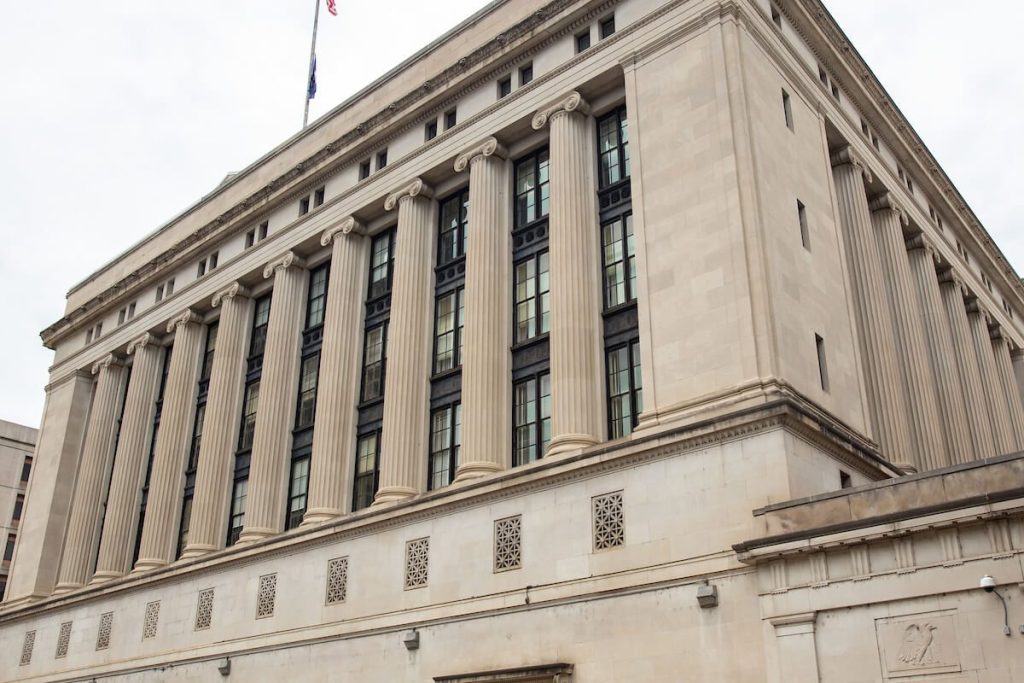
Virginia Supreme Court Blocks Democratic-Drawn Congressional Map
In a shocking turn of events, the Virginia Supreme Court Rejects New Congressional Map That Could Have Helped Democrats Gain Seats.
Updated: May 8, 2026
The Virginia Supreme Court has struck down a Democratic-backed congressional redistricting plan that had been approved by voters earlier this year, delivering a major political and legal victory to Republicans ahead of the 2026 U.S. midterm elections.
In a closely divided 4-3 ruling issued Friday, the court declared the newly approved congressional map “null and void,” effectively restoring Virginia’s previous district boundaries that were drawn after the 2020 census. The decision is expected to have national political consequences because the invalidated map could have helped Democrats gain as many as four additional seats in the U.S. House of Representatives.
The ruling comes amid an intensifying nationwide battle over redistricting, with both Democrats and Republicans attempting to redraw congressional boundaries in key states before the 2026 elections. Virginia had become one of the most closely watched battlegrounds in that fight.
Court Says Constitutional Procedures Were Violated
The Virginia Supreme Court ruled that state lawmakers failed to follow proper constitutional procedures when placing the redistricting amendment before voters.
According to the majority opinion, early voting for the April referendum had already begun before the General Assembly formally completed the first passage of the constitutional amendment required under Virginia law. The court found that this timing undermined the legality of the process and invalidated the referendum results.
Justice D. Arthur Kelsey, writing for the majority, emphasized that constitutional procedures cannot be ignored even in politically charged circumstances. The court concluded that voters were effectively asked to approve a measure that had not been lawfully enacted through the legislature before ballots were cast.
The decision immediately blocks implementation of the Democratic-backed congressional map for the 2026 election cycle.
What the Proposed Map Would Have Changed
The rejected map had the potential to dramatically reshape Virginia’s congressional delegation.
Under the plan approved by Democratic lawmakers earlier this year, Democrats were projected to become competitive in several Republican-held districts. Political analysts estimated the map could have shifted the balance of Virginia’s House delegation heavily in favor of Democrats, potentially creating a 10-1 Democratic advantage in the state’s 11 congressional districts.
Republicans argued throughout the legal battle that the map amounted to an aggressive partisan gerrymander designed to dilute conservative voting power and protect Democratic incumbents.
Democrats, however, defended the plan as a response to Republican-led redistricting efforts in states such as Texas, Florida, Tennessee, and North Carolina, where GOP lawmakers have redrawn congressional boundaries in ways critics say favor Republicans.
The Virginia proposal became part of a broader national strategy by Democrats to offset Republican gains resulting from mid-decade redistricting across several Southern states.
National Implications for Control of the House
The court’s decision could significantly affect the battle for control of the U.S. House in 2026.
Republicans currently view Virginia as a critical defensive state in their effort to maintain or expand their congressional majority. Had the Democratic-backed map remained in place, GOP strategists feared losing multiple seats in suburban and swing districts around Northern Virginia and Hampton Roads.
Political observers say the ruling may now stabilize Republican prospects in the state and complicate Democratic efforts to offset GOP gains elsewhere in the country.
The case is unfolding alongside similar redistricting disputes in several states. Republicans have pursued favorable redraws in Texas and Florida, while Democrats have pushed for new maps in states including California and Virginia.
Analysts say these redistricting battles could collectively determine which party controls Congress after the 2026 elections.
Legal Battle Began Months Ago
The fight over Virginia’s congressional map has been building for months.
Democratic lawmakers first advanced the constitutional amendment proposal in late 2025. Under Virginia law, constitutional amendments must pass the General Assembly twice before going before voters in a statewide referendum.
The proposal faced immediate legal challenges from Republican groups and conservative voters, who argued the amendment process violated state constitutional rules because early voting had begun before lawmakers completed the required legislative steps.
Several lower-court rulings temporarily blocked implementation of the referendum before the Virginia Supreme Court allowed the election to proceed earlier this year. However, additional lawsuits continued after voters approved the amendment in April.
Friday’s ruling effectively ends the dispute for now and restores the previous congressional map.
Democrats Criticize the Decision
Democratic leaders reacted angrily to the ruling, arguing the court had overturned the will of Virginia voters.
Supporters of the rejected map noted that voters approved the referendum during the April special election and said the court’s intervention undermined democratic participation.
Democrats also argued that Republicans have aggressively redrawn maps in multiple states and accused the Virginia court of enabling partisan imbalance nationally. Some Democratic strategists warned the decision could further escalate nationwide redistricting wars before the midterms.
Civil rights groups and voting-rights advocates also expressed concern that the ruling may weaken representation in diverse urban and suburban areas that had been expected to gain greater Democratic influence under the proposed map.
Republicans Celebrate Major Victory
Republicans hailed the ruling as a defense of constitutional order and fair elections.
The National Republican Congressional Committee backed the legal challenge and argued the Democratic plan represented an unconstitutional partisan gerrymander. GOP officials said the court’s decision prevents Democrats from manipulating district boundaries for political gain.
Republican strategists believe the restored district map gives the party a significantly stronger position heading into the 2026 election cycle.
Conservative groups also argued that the ruling sends a message that constitutional processes must be followed regardless of political objectives.
Redistricting Fight Reflects National Political Climate
The Virginia case highlights how redistricting has become one of the central political battles in modern American elections.
Both parties increasingly view congressional maps as critical tools for gaining long-term political advantages. Advances in voter data analytics and shifting demographics have intensified efforts to redraw district lines in favorable ways.
Recent U.S. Supreme Court decisions limiting the use of race-based challenges under the Voting Rights Act have also altered the legal landscape surrounding redistricting disputes. Republicans in several Southern states have used those rulings to pursue new district maps that critics say weaken minority voting power.
Virginia’s ruling now adds another major development to the broader national debate over electoral fairness, gerrymandering, and constitutional election procedures.
What Happens Next
With the Virginia Supreme Court invalidating the new map, the state is expected to use the earlier congressional boundaries for the 2026 elections unless another legal or legislative challenge emerges.
Election officials are now expected to proceed with candidate filing and election preparations under the restored districts. Virginia’s congressional primaries are scheduled for August 2026.
While Democrats may still explore additional legal or legislative options, Friday’s ruling represents a significant setback to their efforts to reshape Virginia’s congressional landscape before the midterms.
Political analysts say the decision could influence campaign fundraising, candidate recruitment, and national party strategy over the coming months as both parties intensify their fight for control of Congress.
This unexpected reversal signals a shift in the tides, as judicial independence checks legislative maneuvering. It raises a larger question about the role of the courts in limiting partisan gerrymandering and ensuring democratic accountability.