Europe warns of Russia’s hybrid attacks but struggles to counter them
  Former chief election commissioner calls SIR scheme illegal.
  A Corruption Scandal Is Reshaping Brazil’s Presidential Election
  US citizen injured in Illinois after ICE agents mistook him for fugitive, tried to arrest him
  At 10 years old, Smithsonian’s Black museum is undaunted amid pressure from Trump administration
 Madras High Court Allows Organ Donations without DNA Tests, Sparks Debate
The Madras High Court’s landmark ruling allows mothers to donate kidneys to their children without DNA tests, paving the way for easier organ transplantation and sparking a global debate on organ donation regulations and oversight.
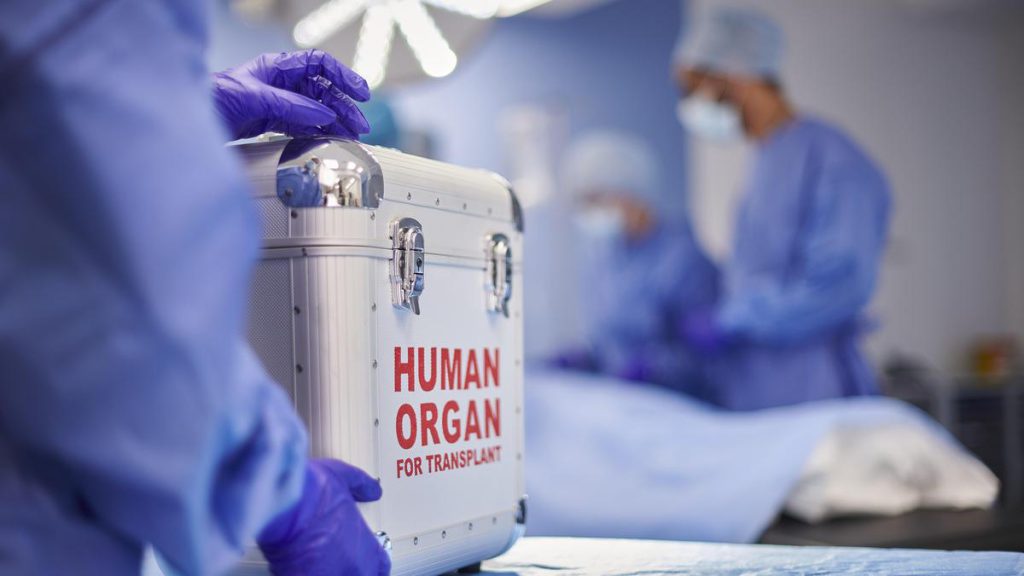
Redefining Family Ties: High Court’s Landmark Ruling Sparks Debate
Summary:
In a groundbreaking decision, the Madras High Court has ruled that a mother does not need to prove maternity through a DNA test before donating her kidney to her child.
This judgment comes as a relief to a West Bengal-based mother and son who were set to undergo transplantation surgery in Chennai.
Updated: May 22, 2026
High Court’s Landmark Ruling Sparks Debate
In a groundbreaking decision, the Madras High Court has ruled that a mother does not need to prove maternity through a DNA test before donating her kidney to her child. This judgment comes as a relief to a West Bengal-based mother and son who were set to undergo transplantation surgery in Chennai.
Justice G.R. Swaminathan’s order paves the way for families seeking to undergo organ transplantation to do so without the need for invasive DNA testing. This ruling has significant implications for families and medical professionals navigating the organ donation process.
The Madras High Court’s decision may have both economic and political impacts:
– Economic Impact: This ruling could lead to increased organ donation rates, as families no longer face the financial burden of DNA testing. This, in turn, may put downward pressure on organ prices and increase access to transplantation services, benefiting both patients and the medical industry.
– Political Impact: The judgment highlights the need for more flexible regulations surrounding organ donation and transplantation. As this ruling gains traction, it may prompt governments to review their laws and policies on organ donation, potentially leading to more supportive legislation.
– Risks and Implications: However, this ruling also raises concerns about the potential for exploitation, as it may create new opportunities for organ trafficking. The lack of DNA testing may also make it more challenging to verify the legitimacy of organ donors and recipients.
The Madras High Court’s decision marks a significant shift in the discussion surrounding organ donation and the definition of family ties. As we move forward:
– Global Precedent: This ruling may influence courts and lawmakers worldwide, as they grapple with how to balance individual rights with the need to protect vulnerable populations.
– Medical Community: The medical community will need to adapt to this new reality, potentially developing new protocols for verifying organ donors and recipients.
– Social Attitudes: This decision may also lead to a reevaluation of societal attitudes toward organ donation, as more people are now eligible to donate organs to family members without the need for DNA testing.
This landmark ruling by the Madras High Court is a testament to the human need for connection and compassion, forcing us to question what truly defines family ties – blood or love. By removing the financial barrier and invasive DNA testing, it’s a step towards a more inclusive and empathetic understanding of family.
This is a developing story. More updates will follow as new information becomes available.