Europe warns of Russia’s hybrid attacks but struggles to counter them
  Former chief election commissioner calls SIR scheme illegal.
  A Corruption Scandal Is Reshaping Brazil’s Presidential Election
  US citizen injured in Illinois after ICE agents mistook him for fugitive, tried to arrest him
  At 10 years old, Smithsonian’s Black museum is undaunted amid pressure from Trump administration
 Taliban Introduces Draconian Divorce Decree in Afghanistan, Enshrining Child Marriage
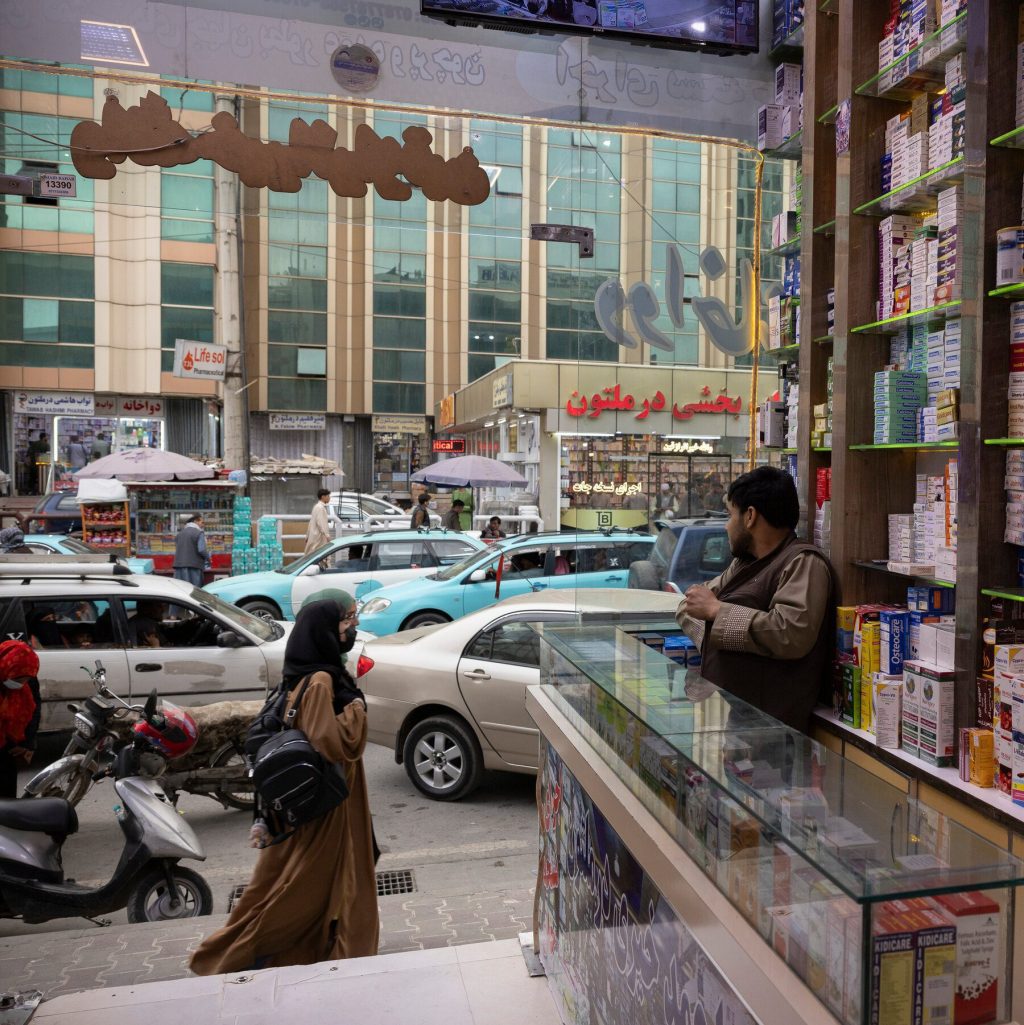
In a move sparking widespread criticism, the Taliban has introduced a draconian divorce decree in Afghanistan, effectively formalizing the country’s disturbing trend of child marriage.
The new law, confirmed by the United Nations, raises concerns over the devastating consequences for young girls and women, while also exacerbating the ongoing humanitarian crisis in the war-torn nation.
Updated: May 22, 2026
In a move sparking widespread criticism, the Taliban has introduced a draconian divorce decree in Afghanistan, effectively formalizing the country’s disturbing trend of child marriage. The new law, confirmed by the United Nations, raises concerns over the devastating consequences for young girls and women, while also exacerbating the ongoing humanitarian crisis in the war-torn nation.
According to sources within the Afghan justice system, the decree establishes a minimum age for divorce at puberty, a move that will undoubtedly condemn countless underage girls to lifelong marriages. Furthermore, the legislation stipulates that women seeking to escape abusive relationships must undergo mediation, a process often controlled by male relatives, thereby rendering them virtually powerless.
The decree, touted as part of a broader effort to uphold Islamic values, has been met with dismay from international human rights organizations and the United Nations. In a statement, the agency warned that the new law will exacerbate the country’s alarming rate of child marriage, with potentially dire consequences for the physical and emotional well-being of young girls.
Afghanistan has long struggled with one of the highest rates of child marriage in the world, a practice that disproportionately affects the most vulnerable populations. Girls as young as eight years old have been forcibly married, often to much older men, resulting in a range of dire outcomes, including early pregnancy, school dropout, and increased vulnerability to domestic abuse.
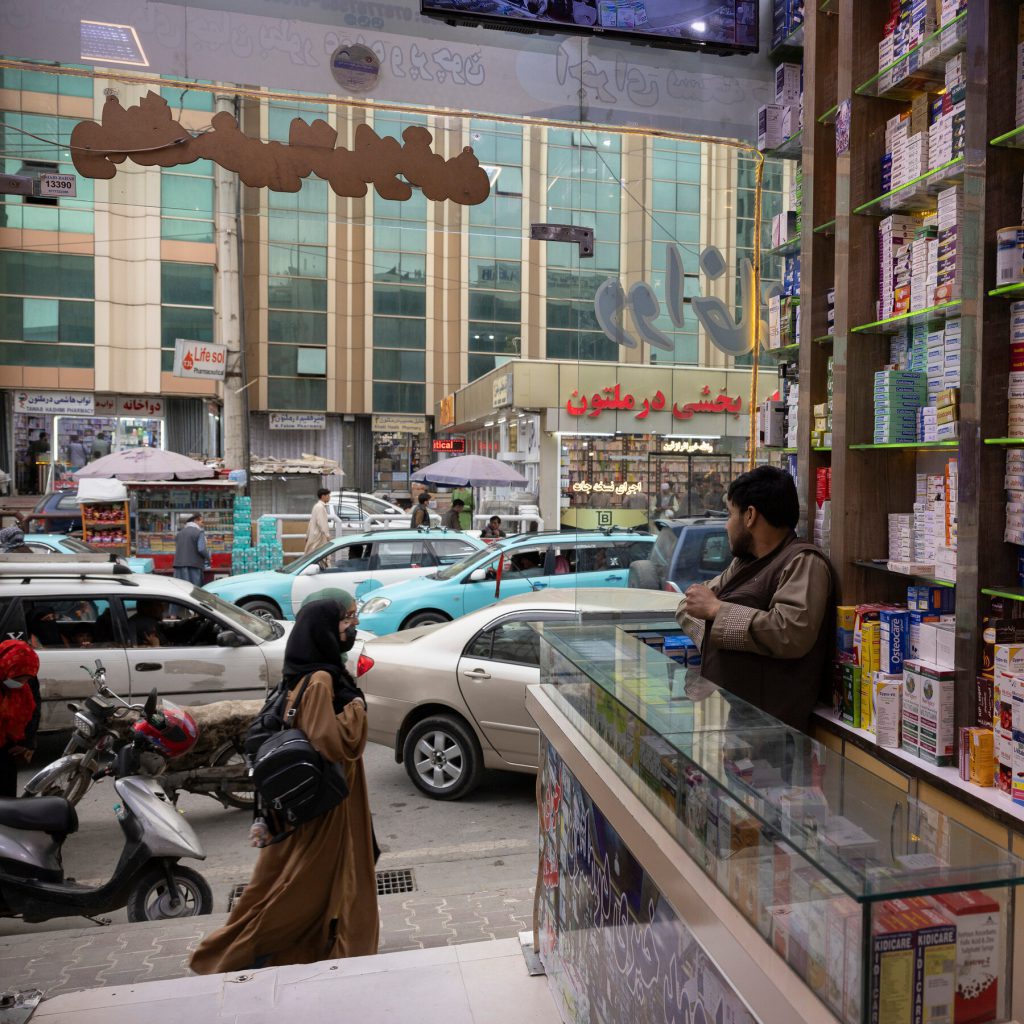
The introduction of this decree will undoubtedly worsen the existing crisis, pushing countless young girls into a life of servitude and exploitation. Human Rights Watch has warned that the legislation effectively codifies the Taliban’s discriminatory policies, perpetuating the notion that women and girls exist merely as commodities for male pleasure and procreation.
In a disturbing irony, the decree’s emphasis on mediation further underscores the Taliban’s regressive stance on women’s rights. By controlling access to divorce, the regime has essentially institutionalized patriarchy, stripping women of agency and autonomy over their own lives.
Meanwhile, the international community has been left scrambling to respond to the dire consequences of this legislation. UNICEF has emphasized the urgent need for concerted action to prevent child marriage, while human rights advocates have called for targeted sanctions against the Taliban for its ongoing human rights abuses.
The long-term implications of this decree are nothing short of catastrophic, imperiling generations of young girls and women. As the world grapples with the fallout, one thing is clear: the Taliban’s draconian policies will only exacerbate the existing humanitarian crisis in Afghanistan, further destabilizing a country already on the brink of collapse.
The stakes are high, and the world is watching. As the situation in Afghanistan continues to deteriorate, it remains to be seen whether international pressure will be enough to compel the Taliban to abandon its regressive agenda and prioritize the rights and dignity of its citizens.
Why this matters:
The Afghan decree represents a profound setback for global efforts to combat child marriage and protect women’s rights. If left unchecked, the legislation will have far-reaching consequences, perpetuating the cycle of poverty, abuse, and exploitation that plagues countless young girls and women worldwide.
Future outlook:
As the international community grapples with the fallout from the Afghan decree, one key takeaway is clear: decisive action is necessary to prevent further human rights abuses and safeguard the dignity of Afghanistan’s most vulnerable citizens. The Taliban’s draconian policies must be met with concerted opposition, using targeted sanctions, diplomatic pressure, and grassroots advocacy to promote a more equitable and just society for all.
The draconian divorce decree in Afghanistan is a heart-wrenching reminder that, in the shadows of conflict, the most vulnerable are often overlooked, and the value of a child's life is sacrificed for a twisted notion of tradition and control.
This disturbing trend serves as a stark warning that the battle for women's rights and children's protection is far from won, and the world's silence on such atrocities