Europe warns of Russia’s hybrid attacks but struggles to counter them
  Former chief election commissioner calls SIR scheme illegal.
  A Corruption Scandal Is Reshaping Brazil’s Presidential Election
  US citizen injured in Illinois after ICE agents mistook him for fugitive, tried to arrest him
  At 10 years old, Smithsonian’s Black museum is undaunted amid pressure from Trump administration
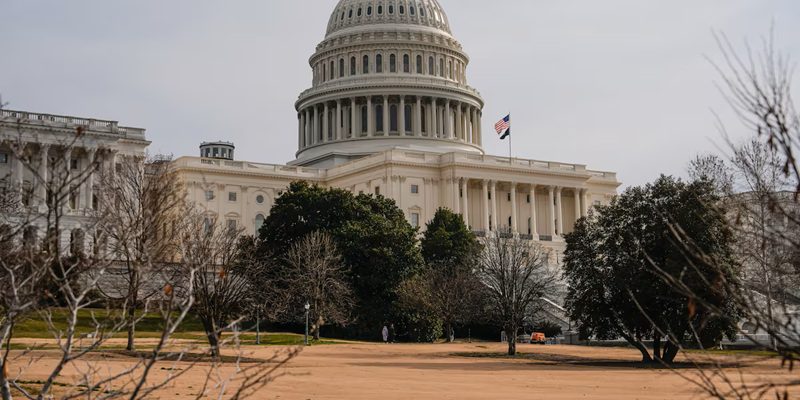
 House Votes Down Trump’s War Plan in Historic Rebuke: 215-208 Against Military Engagement
house votes down trumps:
It was a historic moment – a rebuke to President Trump’s authority to initiate military action in Iran, and a bold move by the U.S. House of Representatives to assert its power. Behind the scenes, we were told that the defectors, 4 Republicans among them – Thomas Massie, Brian Fitzpatrick, Tom Barrett, and Warren Davidson – played a crucial role in the passage. These unlikely allies risked their careers to challenge a president who has increasingly relied on executive action.
Updated: June 4, 2026
The U.S. House of Representatives has voted 215–208 to pass a war powers resolution aimed at halting President Donald Trump’s military operations in Iran, marking a rare bipartisan rebuke of his administration. Four Republicans joined Democrats in supporting the measure, which seeks to require congressional authorization before any continued hostilities. The vote, which had failed in three earlier attempts, now advances to the Senate but faces significant political and procedural hurdles.
House Delivers Rare Bipartisan Check on Trump’s War Powers
WASHINGTON — In a significant legislative challenge to President Donald Trump’s authority over military action in Iran, the U.S. House of Representatives voted on Wednesday to pass a war powers resolution designed to halt ongoing U.S. military involvement in the conflict.
The measure passed narrowly by a vote of 215–208, with four Republican lawmakers breaking ranks to join Democrats in support. The defectors included Reps. Thomas Massie, Brian Fitzpatrick, Tom Barrett, and Warren Davidson, underscoring a rare moment of bipartisan dissent in a deeply polarized Congress.
The resolution seeks to compel the administration to end U.S. military engagement in Iran unless Congress explicitly authorizes continued hostilities, invoking the War Powers Resolution of 1973 as its legal foundation.
Third-Time Breakthrough After Repeated Failures
This latest vote carries added political weight because similar efforts had previously failed in the House on three separate occasions, often by razor-thin margins. Earlier attempts were either blocked by House leadership or fell short amid party-line divisions, reflecting the difficulty of challenging presidential war authority in real time.
The breakthrough signals shifting sentiment even within the Republican Party, where growing unease over the duration, costs, and escalation risks of the Iran conflict has begun to surface.
Lawmakers supporting the resolution argue that Congress has been sidelined in decisions that carry profound constitutional and geopolitical consequences.
Constitutional Debate Over War-Making Authority
At the heart of the vote is a long-standing constitutional tension between Congress and the presidency over war powers. The U.S. Constitution grants Congress the authority to declare war, but successive administrations have expanded executive power through military engagements authorized without formal declarations.
Supporters of the resolution argue that Trump’s actions in Iran exceed executive authority and require explicit congressional approval. They frame the vote as a restoration of constitutional balance and legislative oversight over the use of force.
Opponents, including many Republicans and Trump allies, counter that the president must retain flexibility to respond to evolving security threats, particularly in volatile regions such as the Middle East.
Political Fault Lines Emerge Within Republican Party
The 215–208 outcome highlights subtle but growing divisions within the Republican Party over foreign military engagement. While most GOP lawmakers opposed the resolution, the presence of four Republican defectors signals increasing discomfort among some members with the trajectory of the Iran conflict.
Speaker Mike Johnson and other Republican leaders defended the administration’s position, arguing that restricting presidential authority during active military operations could undermine U.S. deterrence and diplomatic leverage.
However, dissenting Republicans aligned with Democrats emphasized war fatigue, constitutional concerns, and rising public skepticism about the conflict.
Limited Immediate Impact, But Strong Symbolism
Despite its passage in the House, the resolution is unlikely to immediately change U.S. military operations. It still faces the Senate, where approval is uncertain, and even if passed, it would almost certainly confront a presidential veto.
Overturning such a veto would require a two-thirds majority in both chambers — a threshold widely viewed as unattainable under current political conditions.
As a result, the measure is largely symbolic in legal terms but politically significant as a formal expression of congressional opposition to the war.
Rising Pressure Over Costs and Public Opinion
The vote comes amid growing domestic debate over the economic and strategic costs of the Iran conflict. Lawmakers cited concerns about rising energy prices, regional instability in the Strait of Hormuz, and the absence of a clear exit strategy.
Public opinion data cited by lawmakers during debate suggested increasing skepticism among voters regarding the continuation of military operations without congressional authorization.
This broader political environment has contributed to mounting pressure on both parties to reassess the scope and duration of U.S. involvement.
Senate Path and Next Political Steps
The resolution now moves to the Senate, where a similar measure has already advanced in earlier procedural votes but has yet to clear final passage. Even if it succeeds there, the White House is expected to veto the legislation.
Still, the growing momentum behind war powers restrictions suggests that congressional oversight of the Iran conflict will remain a central political issue in the months ahead.
Lawmakers on both sides acknowledge that while the current resolution may not immediately end U.S. military involvement, it sets an important precedent for future executive-legislative relations on matters of war.
A Rare Institutional Showdown
The House vote represents one of the most direct confrontations between Congress and the executive branch over military authority in recent years. It reflects a broader debate over the balance of power in American foreign policy and the limits of presidential decision-making in wartime conditions.
Whether the measure ultimately becomes law or not, it underscores a clear reality: congressional resistance to unilateral military action is gaining renewed strength, even within the president’s own party.
The 215–208 House vote illustrates a recurring structural tension in U.S. governance: the gap between constitutional war powers and modern executive-driven military action. While the resolution is unlikely to immediately alter battlefield realities, it signals growing institutional pushback against prolonged, unauthorized conflicts. If this trend continues, it could gradually constrain presidential flexibility in initiating or sustaining military operations, especially in politically contested wars like Iran, where public support and congressional consensus remain fragile.
As I analyze the recent House of Representatives vote on the war powers resolution, I see a glimmer of hope for bipartisan cooperation in the making. This unlikely alliance between Democrats and 4 defector Republicans marks a shift in the balance of power, indicating that, even in tumultuous times, there’s still a possibility for elected officials to put country over party.