Europe warns of Russia’s hybrid attacks but struggles to counter them
  Former chief election commissioner calls SIR scheme illegal.
  A Corruption Scandal Is Reshaping Brazil’s Presidential Election
  US citizen injured in Illinois after ICE agents mistook him for fugitive, tried to arrest him
  At 10 years old, Smithsonian’s Black museum is undaunted amid pressure from Trump administration
 Deadly Hospital Fire in Muzaffarpur Claims 3 Lives, Sparks Investigation Into Fire Safety Lapses in Bihar Facility
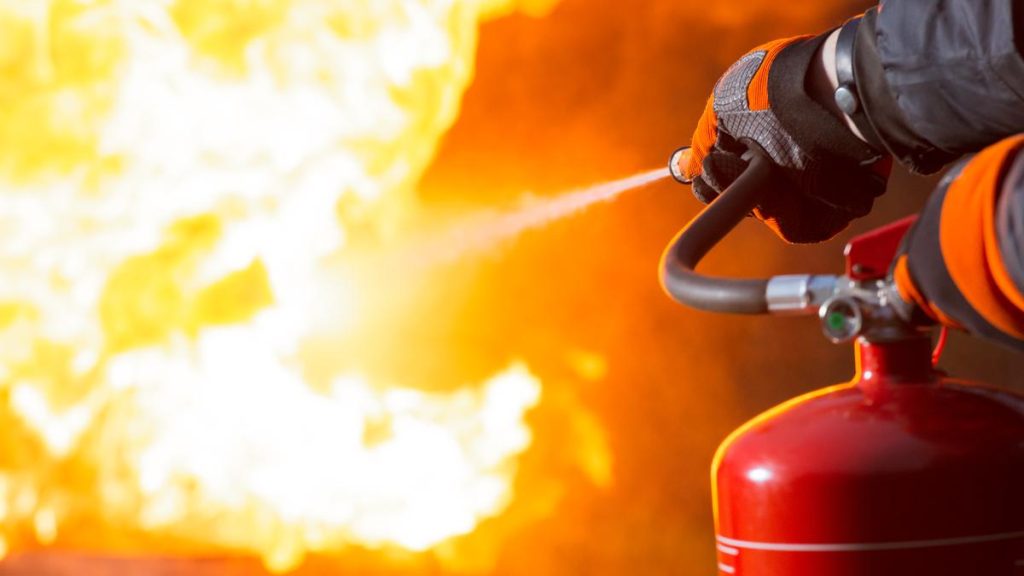
deadly hospital fire muzaffarpur:
A devastating fire broke out at a hospital in Muzaffarpur, Bihar, killing at least three patients and injuring several others. The blaze reportedly spread rapidly through a ward, triggering panic and emergency evacuations. Authorities have launched an investigation into possible lapses in fire safety protocols at the facility.
MUZAFFARPUR, BIHAR — A deadly fire tore through a hospital in Muzaffarpur late Tuesday night, killing at least three patients and injuring several others in an incident that has once again exposed deep concerns over emergency preparedness and fire safety standards in India’s healthcare infrastructure.
According to initial reports from local officials and eyewitness accounts, the fire broke out in one of the hospital wards, rapidly spreading through sections of the building before staff and emergency responders could bring the situation under control. Patients, many of whom were immobile or in critical condition, were among the most vulnerable as smoke filled corridors and emergency exits became congested during evacuation efforts.
The exact cause of the fire has not yet been officially confirmed, but investigators are examining multiple possibilities, including an electrical short circuit, equipment malfunction, or negligence in handling medical infrastructure.
Chaos Inside the Hospital as Fire Spreads Rapidly
Witnesses described scenes of chaos as flames and thick smoke engulfed parts of the hospital. Relatives of patients rushed through corridors searching for loved ones while hospital staff attempted to move patients to safer areas.
Several patients were reportedly on life support at the time of the fire, complicating evacuation efforts. In some cases, hospital staff and attendants were forced to manually carry patients out of affected wards under extremely difficult conditions.
Emergency responders, including fire brigade units and police personnel, arrived at the scene shortly after the alarm was raised. Firefighters worked through the night to contain the blaze and prevent it from spreading to adjoining buildings.
Despite their efforts, at least three fatalities were confirmed, with officials warning that the death toll could rise if critically injured patients do not recover.
Victims and Injuries Under Medical Care
Hospital authorities have not yet released a full list of the deceased, pending identification and notification of families. Several injured patients have been shifted to nearby medical facilities in Muzaffarpur and Patna for advanced treatment.
Doctors treating the injured reported cases of severe smoke inhalation, burns, and trauma-related complications. Some patients remain in critical condition in intensive care units.
Officials have stated that priority is being given to stabilizing patients and ensuring adequate medical support, while administrative teams work to account for everyone present at the time of the incident.
Questions Over Fire Safety Compliance
The incident has triggered immediate scrutiny of fire safety measures at the hospital. Preliminary observations suggest that emergency systems, including fire alarms and sprinkler mechanisms, either failed to operate effectively or were insufficient to contain the blaze.
Authorities are also examining whether fire exits were clearly marked and accessible during the emergency, as early reports indicate congestion and confusion during evacuation.
Experts in hospital infrastructure have long warned that many healthcare facilities in India, particularly in semi-urban and rural regions, operate with outdated fire safety systems and limited compliance with safety regulations.
The Muzaffarpur incident is expected to intensify demands for stricter enforcement of building codes and periodic safety audits across medical institutions.
Government Response and Investigation Ordered
Following the incident, district administration officials visited the hospital and ordered a formal investigation into the cause of the fire.
The Bihar state government has announced that a high-level inquiry committee will be constituted to assess both the cause of the blaze and potential administrative lapses.
Officials have indicated that strict action will be taken if negligence or regulatory violations are identified. Compensation for victims’ families is also expected to be announced once identification and verification processes are completed.
The Chief Minister’s Office expressed condolences to the families of the deceased and assured that the state government is monitoring the situation closely.
Recurring Concerns Over Hospital Fires in India
The Muzaffarpur tragedy adds to a troubling pattern of hospital fires reported across India in recent years. Similar incidents in various states have highlighted systemic vulnerabilities in healthcare infrastructure, particularly in terms of electrical safety, emergency preparedness, and staff training.
Hospitals housing critical care units are especially vulnerable due to the presence of oxygen cylinders, electronic medical equipment, and dense patient occupancy. Even minor electrical faults can escalate quickly into life-threatening situations if not contained immediately.
Public health experts argue that fire safety compliance in many hospitals remains inconsistent, with inspections often irregular and enforcement weak.
Eyewitness Accounts Describe Panic and Desperation
Relatives of patients described the moments after the fire broke out as “terrifying” and “confusing,” with many initially unaware of the severity of the situation.
One witness said the smoke spread so quickly that visibility inside the ward dropped to near zero within minutes. Others described hearing alarms but seeing little coordinated evacuation response in the early stages.
Hospital staff, meanwhile, are said to have made repeated attempts to move patients manually while waiting for fire brigade assistance.
Despite the panic, several staff members and local volunteers were praised for their efforts in assisting evacuations and preventing a higher death toll.
Firefighters Contain Blaze After Intensive Operation
Fire department officials confirmed that multiple fire tenders were deployed to the hospital immediately after receiving the emergency call.
Firefighters battled intense smoke and high temperatures to bring the blaze under control. Their primary focus was preventing the fire from reaching oxygen storage areas and other critical medical supply zones, which could have led to a far more catastrophic explosion.
The fire was eventually contained after sustained efforts, though parts of the building sustained significant damage.
Administrative Scrutiny and Accountability Debate
The incident has reignited debate over accountability in public and private healthcare institutions. Critics argue that regulatory oversight is often insufficient, allowing lapses in safety compliance to persist unchecked.
Healthcare administrators, on the other hand, point to resource constraints and infrastructure limitations, particularly in smaller cities where hospitals may struggle to maintain modern safety systems.
The Bihar government is expected to review fire safety protocols across all district hospitals following the incident.
Families Await Answers and Justice
As investigations continue, families of victims are demanding clarity over how such a tragedy could occur in a medical facility where vulnerable patients depend entirely on institutional safety measures.
Grieving relatives have called for a transparent probe and strict punishment for those found responsible for negligence.
For many, the tragedy represents not just an accident but a systemic failure in ensuring basic safety standards in essential public institutions.
Broader Implications for Healthcare Safety
The Muzaffarpur hospital fire is likely to add pressure on policymakers to strengthen fire safety regulations in hospitals nationwide. Experts suggest that mandatory safety audits, upgraded electrical systems, and improved emergency response training could significantly reduce such incidents in the future.
However, implementation remains the key challenge, especially in under-resourced regions where infrastructure gaps persist.
The deadly fire in Muzaffarpur stands as a grim reminder of the fragile state of emergency preparedness in parts of India’s healthcare system. As authorities investigate the cause and families mourn their losses, the focus will inevitably shift toward accountability and reform.
Whether this tragedy leads to lasting systemic improvements will depend on the urgency and seriousness with which safety failures are addressed in the days ahead.
Hospital fires in India consistently expose a structural problem rather than isolated lapses: aging infrastructure, inconsistent enforcement of safety codes, and limited emergency preparedness in high-density medical environments. The Muzaffarpur incident underscores how quickly healthcare spaces can become high-risk zones when electrical safety and evacuation systems are inadequate. If followed by rigorous audits and enforcement, such tragedies could drive meaningful reform; if not, they risk becoming recurring events in an already overstretched public health system.