Former chief election commissioner calls SIR scheme illegal.
  A Corruption Scandal Is Reshaping Brazil’s Presidential Election
  US citizen injured in Illinois after ICE agents mistook him for fugitive, tried to arrest him
  At 10 years old, Smithsonian’s Black museum is undaunted amid pressure from Trump administration
  Beleaguered at Home, a Bellicose Netanyahu Heads to the U.N.
 UK NHS Introduces High-Precision Radiotherapy for Prostate Cancer, Reducing Treatment Burden from 20 Sessions to 5
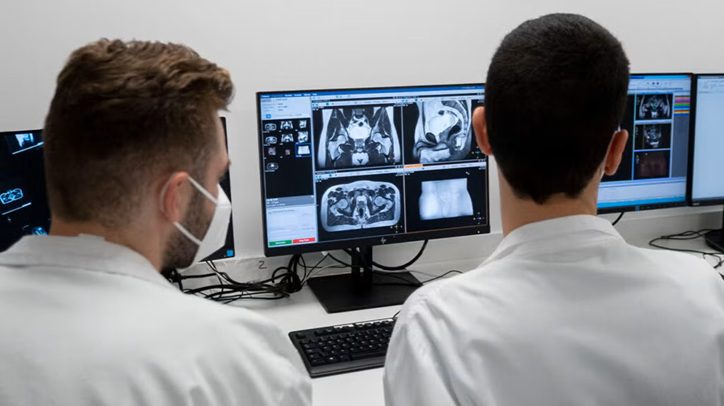
introduces highprecision radiotherapy prostate:
The NHS in England has begun rolling out an advanced radiotherapy technique for prostate cancer that reduces treatment sessions from around 20 to just five. The precision approach, known as SABR, targets tumours more accurately, reducing side effects and hospital visits. Thousands of men with early-stage prostate cancer are expected to benefit each year.
LONDON — A major shift in prostate cancer treatment across the United Kingdom
Thousands of men in England diagnosed with early-stage prostate cancer will soon be offered a significantly faster and more precise form of radiotherapy on the NHS, marking one of the most substantial changes in cancer treatment delivery in recent years.
The new treatment, known as stereotactic ablative radiotherapy (SABR), uses highly focused beams of radiation delivered from multiple angles to precisely target cancerous tumours while limiting exposure to surrounding healthy tissue. NHS England has confirmed that the approach will reduce the number of hospital visits required for radiotherapy from around 20 sessions to just five.
According to NHS guidance, the rollout will begin immediately across radiotherapy centres in England and is expected to benefit tens of thousands of patients annually.
For decades, standard external beam radiotherapy for prostate cancer has required patients to attend hospital daily over several weeks. While effective, the treatment schedule often places a heavy physical, emotional, and logistical burden on patients—particularly older men or those living far from treatment centres.
Under the new SABR approach, treatment is typically delivered in five sessions over a short period, often within two weeks. Each session delivers a higher dose of radiation with extreme precision, allowing oncologists to maintain effectiveness while significantly reducing treatment duration.
NHS England leaders describe the change as a “transformational step” in cancer care, aimed at making treatment more convenient without compromising clinical outcomes.
How the new “mega beam” radiotherapy works: The SABR technique—sometimes referred to by clinicians as a “multi-beam” or “mega beam” radiotherapy system—uses advanced imaging and computer-guided radiation delivery systems.
Unlike conventional radiotherapy, which administers smaller doses over many sessions, SABR concentrates higher doses into fewer treatments. Multiple beams converge on the tumour, shaping radiation precisely to the cancer’s location and minimizing exposure to surrounding organs such as the bladder and rectum.
This precision is particularly important in prostate cancer, where the tumour sits close to sensitive structures.
Clinical specialists say the method reduces collateral tissue damage, which may translate into fewer side effects, including urinary and bowel complications commonly associated with radiotherapy.
Who will benefit from the treatment: The NHS has stated that the treatment will initially be offered to men with low to intermediate-risk localized prostate cancer, meaning the cancer has not spread beyond the prostate gland.
An estimated 17,500 men per year in England could be eligible, although not all will opt for the treatment. Early modelling suggests that around 3,000–4,000 patients annually may choose SABR as their preferred treatment option.
It will be available across all major radiotherapy centres in England, ensuring broad geographic access.
Clinical evidence behind the decision: The rollout follows years of clinical trials in the UK and internationally evaluating hypofractionated radiotherapy, where fewer but stronger doses are used.
Studies have shown that SABR is:
- As effective as conventional radiotherapy for certain prostate cancer groups
- Associated with similar cancer control rates
- Potentially linked with reduced short-term treatment burden
- Feasible to deliver safely in carefully selected patients
Experts emphasize that while the treatment is promising, it is not suitable for all prostate cancer cases—particularly more advanced or complex disease.
The future of prostate cancer treatment : The introduction of SABR represents a broader trend in oncology: moving toward shorter, more targeted, and less invasive treatment protocols.
Researchers are also exploring combinations of radiotherapy with hormone therapies and advanced imaging techniques to further improve outcomes.
If successful, this approach could eventually extend beyond prostate cancer to other tumour types, including lung and liver cancers.
The NHS rollout of five-session SABR radiotherapy reflects a structural shift in cancer care economics and delivery rather than just a clinical upgrade. By compressing treatment into fewer high-dose, high-precision sessions, the system simultaneously improves patient experience and increases radiotherapy machine throughput—effectively addressing both demand pressure and capacity constraints. The broader implication is that oncology is increasingly being optimized as a high-efficiency service line, where technological precision enables healthcare systems to scale treatment volume without proportional increases in infrastructure.