Europe warns of Russia’s hybrid attacks but struggles to counter them
  Former chief election commissioner calls SIR scheme illegal.
  A Corruption Scandal Is Reshaping Brazil’s Presidential Election
  US citizen injured in Illinois after ICE agents mistook him for fugitive, tried to arrest him
  At 10 years old, Smithsonian’s Black museum is undaunted amid pressure from Trump administration
 India Enhances Energy Security by Regulating Natural Gas Allocation Under Essential Commodities Act
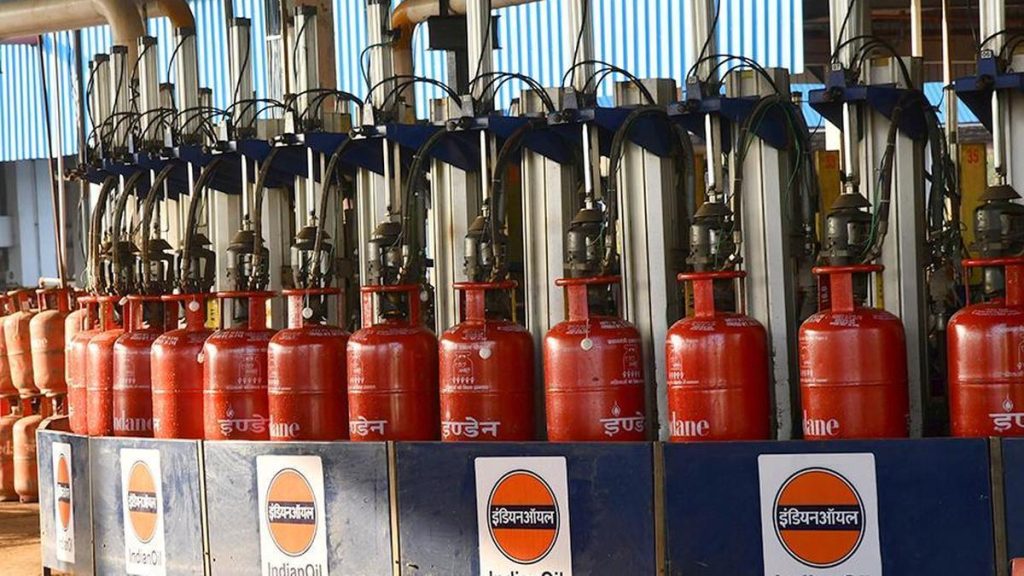
In a strategic move to bolster the country’s energy landscape, the Indian government has invoked the Essential Commodities Act to prioritize the allocation of natural gas to specific critical sectors. This proactive measure is aimed at ensuring a stable and efficient supply of this vital energy resource, particularly given that approximately 30% of the nation’s total natural gas consumption is imported through the volatile Strait of Hormuz. The regulation underscores the government’s commitment to mitigating potential disruptions in the energy supply chain and safeguarding the interests of sectors that are heavily reliant on natural gas.
The invocation of the Essential Commodities Act grants the government the authority to regulate the production, distribution, and supply of natural gas, thereby enabling it to dictate allocation priorities. This regulatory framework is pivotal in ensuring that critical sectors such as power generation, fertilizers, and industrial manufacturing receive a consistent and adequate supply of natural gas. These sectors are not only crucial for the country’s economic growth but also play a vital role in ensuring food security and meeting the basic needs of the population.
The geopolitical dynamics of the global energy market, coupled with the country’s dependence on imported natural gas, necessitate such a regulatory approach. The Strait of Hormuz, through which a significant portion of India’s natural gas imports are transported, is a highly sensitive and unstable region. Any conflict or disruption in this strategic waterway could have far-reaching implications for India’s energy security, making it imperative for the government to adopt proactive measures to mitigate such risks.
By prioritizing the allocation of natural gas to essential sectors, the government aims to minimize the impact of potential supply chain disruptions. This strategic allocation will not only help in maintaining economic stability but also ensure that the basic needs of the population are met. The power sector, for instance, is heavily dependent on natural gas for electricity generation, and any shortage could lead to power outages and disruptions in essential services. Similarly, the fertilizer industry relies on natural gas as a key feedstock, and a stable supply is crucial for maintaining agricultural productivity and ensuring food security.
The decision to invoke the Essential Commodities Act for natural gas allocation also reflects the government’s broader strategy to enhance energy security and reduce dependence on imported fuels. The move is in line with India’s vision to transition towards a more sustainable and diversified energy mix, with a greater emphasis on domestic production and renewable energy sources. By regulating the allocation of natural gas and prioritizing critical sectors, the government is taking a significant step towards achieving this vision and ensuring a more resilient and secure energy future for the country.
In conclusion, the invocation of the Essential Commodities Act to regulate natural gas allocation is a proactive and strategic move by the Indian government. It underscores the government’s commitment to energy security, economic stability, and the well-being of its citizens. As the global energy landscape continues to evolve, such regulatory measures will play a critical role in ensuring that India’s energy needs are met in a sustainable, efficient, and secure manner.