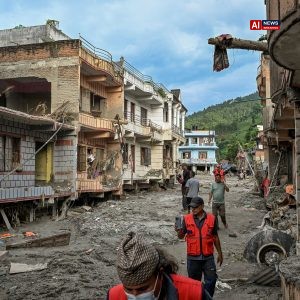
 CSD urges govt to drop Gram Sabha consent rule for projects
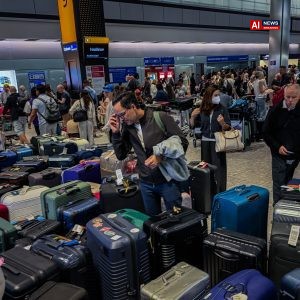
  NATS glitch causes major Heathrow flight delays and cancellations
  Yemen Tilts Toward Full-Scale War as Saudi-Houthi Clashes Escalate
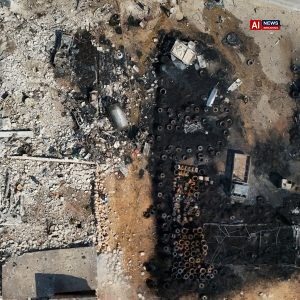
  Syrian weapons depot explosion kills 14 in Idlib
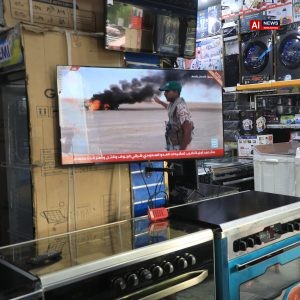
 Russia faces Ukraine attacks
** As Ukraine launches strikes deep into Russian territory, the Russian government’s reluctance to acknowledge the war’s impact has created a sense of unease and confusion among citizens, with many unsure of what to expect or how to respond to the escalating conflict.
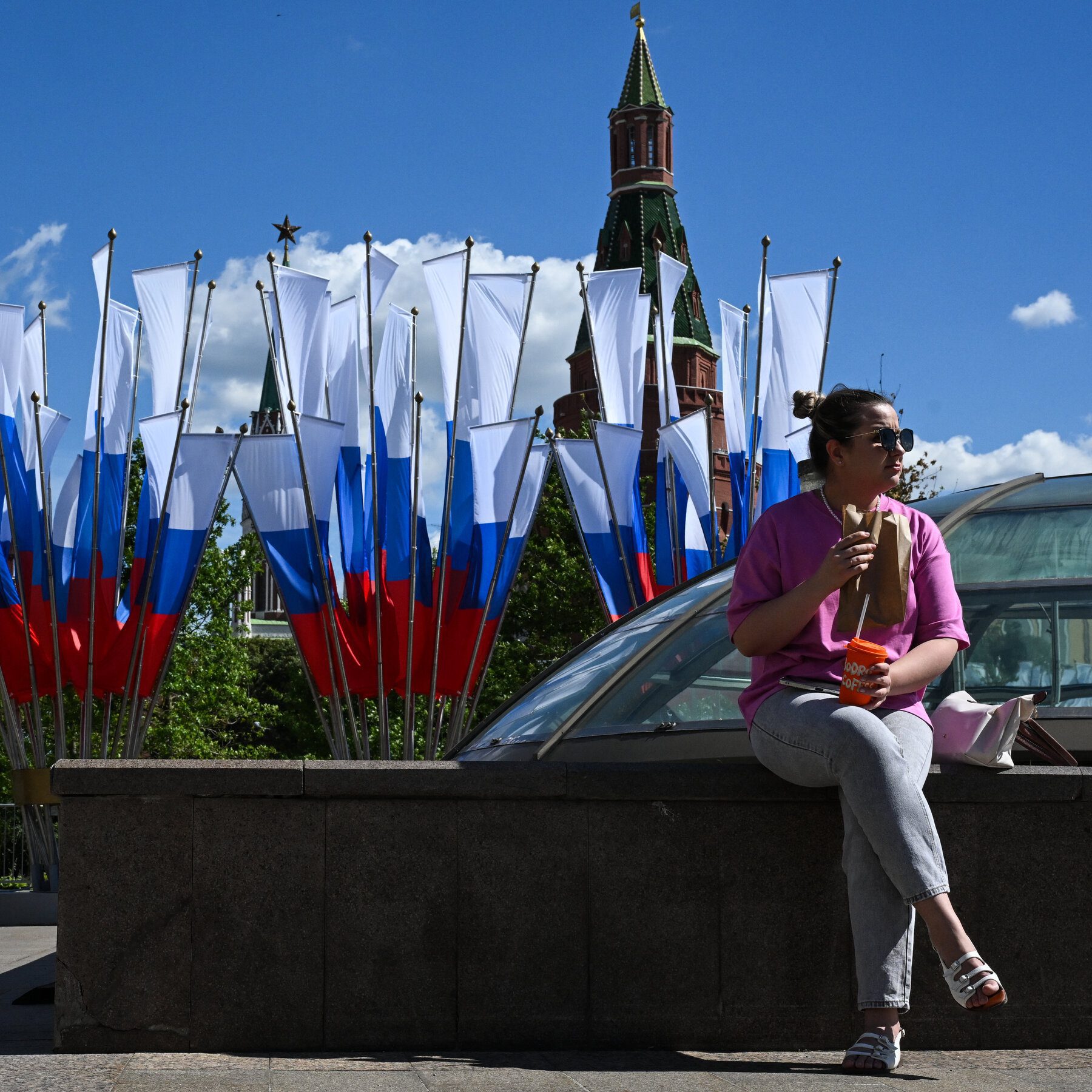
As Ukraine brings the war home to Russia, officials hesitate to designate shelters and blast sirens, downplaying the conflict’s consequences with euphemisms. The approach has led to widespread confusion among citizens, who are unclear about the severity of the situation and how to respond. Despite the increased frequency of attacks, the Russian government’s reluctance to acknowledge the war’s impact has created a sense of unease, with many people unsure of what to expect..
The war in Ukraine has been a sensitive topic in Russia, with the government closely controlling the narrative and discouraging public discussion. The authorities have also been quick to label anyone who speaks out against the war as a traitor or a foreign agent, creating a climate of fear and intimidation. As a result, many Russians are hesitant to express their opinions or ask questions about the conflict, fearing repercussions from the government..
In recent months, Ukraine has launched a series of strikes deep into Russian territory, targeting military installations and other strategic locations. The attacks have raised concerns about the safety of civilians and the ability of Russian air defenses to protect the country. However, the government has downplayed the significance of these attacks, describing them as mere incidents or provocations rather than acknowledging the reality of the war..
The lack of transparency and information from the government has led to widespread speculation and rumors, with many people turning to social media and other unofficial sources for news and updates. This has created a sense of uncertainty and confusion, with many Russians unsure of what to believe or who to trust. The situation is further complicated by the fact that many Russians have family members or friends living in Ukraine, making the conflict a deeply personal and emotional issue..
Despite the growing threat from Ukraine, the Russian government has been slow to respond, with many cities and towns still lacking adequate air raid shelters and other defensive measures. The authorities have also been criticized for their handling of emergency situations, with some incidents reported to have been poorly managed and communicated. The lack of preparedness and coordination has raised concerns about the government’s ability to protect its citizens in the event of a major attack..
The hesitation to acknowledge the war’s impact is not limited to the government, with many Russians also reluctant to discuss the conflict or its consequences. The war has become a taboo topic in many social circles, with people afraid to express their opinions or ask questions for fear of being labeled a traitor or a foreign agent. This has created a sense of silence and isolation, with many Russians feeling unable to speak freely or openly about their concerns and fears..
The Russian government’s approach to the war has been characterized by a mix of denial, downplaying, and deflection. Officials have consistently avoided using the term war to describe the conflict, instead opting for euphemisms such as special military operation or counter-terrorism operation. This has created a sense of confusion and disorientation, with many Russians unsure of what to make of the situation or how to respond..
As the conflict continues to escalate, the Russian government’s handling of the situation is coming under increasing scrutiny. Many Russians are beginning to question the authorities’ ability to protect them and keep them informed, with some expressing frustration and anger at the lack of transparency and accountability. The situation is further complicated by the fact that many Russians have family members or friends serving in the military, making the conflict a deeply personal and emotional issue..
The impact of the war on Russian society is already being felt, with many people reporting increased anxiety and stress. The constant uncertainty and lack of information have created a sense of unease, with many Russians feeling like they are living in a state of limbo. The situation is further complicated by the fact that many Russians are struggling to make ends meet, with the economy experiencing significant challenges and hardships..
In the face of these challenges, many Russians are turning to each other for support and comfort. Neighborhoods and communities are coming together to share information and resources, with many people relying on each other for help and assistance. This sense of community and solidarity is providing a vital lifeline for many Russians, who are struggling to cope with the uncertainty and fear created by the war..
The Russian government’s handling of the war has significant implications for the country’s future, with many Russians questioning the authorities’ ability to lead and protect them. The lack of transparency and accountability has created a sense of distrust and disillusionment, with some expressing concerns about the government’s commitment to the well-being and safety of its citizens. As the conflict continues to escalate, the Russian government will face increasing pressure to respond effectively and protect its people..
The international community is also watching the situation in Russia with growing concern, with many countries criticizing the government’s handling of the war. The lack of transparency and accountability has created a sense of unease, with some expressing concerns about the potential consequences of the conflict. The situation is further complicated by the fact that Russia is a major world power, with significant influence and impact on global events..
The situation in Russia is complex and multifaceted, with many different factors and interests at play. As the conflict continues to escalate, it remains to be seen how the Russian government will respond and what the consequences will be for the country and its people. One thing is certain, however: the war in Ukraine has brought significant challenges and uncertainties to Russia, and it will likely have a lasting impact on the country’s future..
Updated: June 29, 2026
Insight: The Russian government’s attempts to downplay the war’s impact may ultimately backfire, as the lack of transparency and accountability erodes trust among citizens and fuels widespread unease. By controlling the narrative and discouraging public discussion, the government may inadvertently create a sense of collective silence that eventually gives way to collective outrage.