 CSD urges govt to drop Gram Sabha consent rule for projects
  NATS glitch causes major Heathrow flight delays and cancellations
  Yemen Tilts Toward Full-Scale War as Saudi-Houthi Clashes Escalate
  Syrian weapons depot explosion kills 14 in Idlib
 Parliament to hold Monsoon session from July 20.
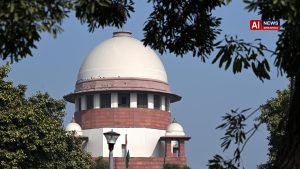
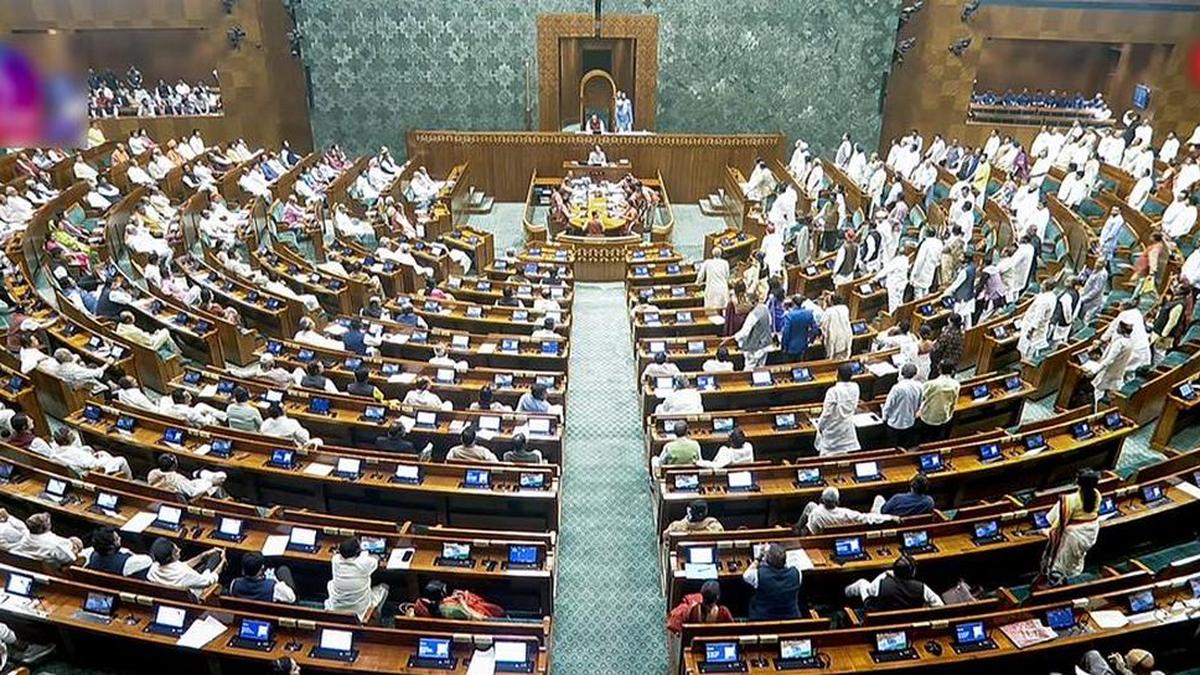
The Monsoon session of Parliament is likely to start from July 20, and will see the presentation of key legislative measures, debates, and discussions on pressing issues, including price rise, joblessness, and the economic situation, with the opposition parties expected to grill the government on these matters.
New Anti-Paper Leak Law: Minimum 5 Years in Jail and 50 Lakh Fine Proposed to Combat Exam Fraud in India - AI News Breaking
parliament hold monsoon session:
Monsoon session of Parliament likely from July 20 The Monsoon session of Parliament is expected to commence from July 20, according to indications from government sources. A final decision in this regard will be taken by the Cabinet Committee on Parliamentary Affairs (CCPA), which is still awaiting inputs from various stakeholders. The CCPA is likely to make an official announcement regarding the starting date and duration of the session soon..
The session is expected to last for around 18 to 20 days, and it will be the first session of the Lok Sabha since the completion of the ongoing general elections. The session is crucial, as it will see the presentation of several key legislative measures by the government, including the introduction of new bills and the amendment of existing ones. The opposition parties are also expected to raise key issues, including price rise, joblessness, and the economic situation..
According to the government sources, the CCPA had a meeting earlier this week to discuss the dates for the Monsoon session. While a formal decision was not taken during the meeting, it is understood that the panel was inclined to start the session from July 20. However, the decision will be finalised after considering various parameters, including the availability of the Rajya Sabha and Lok Sabha members..
One of the key factors that might influence the CCPA’s decision is the ongoing proceedings in the Rajya Sabha. Sources close to the panel suggest that the members are keen to complete the pending legislative business before the start of the Monsoon session. If the Rajya Sabha is unable to complete its work, the CCPA may consider pushing back the start date of the session..
The opposition parties, on the other hand, are eagerly waiting for the Monsoon session to begin. They have several key issues on their agenda, including the demand for a joint parliamentary committee (JPC) inquiry into the Adani-Hindenburg row. The opposition is also expected to grill the government on issues like price rise, joblessness, and the economic situation..
The Monsoon session is expected to see several high-profile events, including the presentation of the Economic Survey and the Railways Budget. The opposition is likely to raise several questions on the economic measures announced by the government and the impact of inflation on the common man. The government, on the other hand, is expected to defend its policies and argue that they are in the best interest of the nation..
According to the government sources, the CCPA has also taken into consideration the upcoming festival of Eid-al-Adha, which is expected to take place in mid-July. The panel is keen to avoid coinciding the start of the Monsoon session with the festival, as it may lead to fewer parliamentarians being present in the house. The Monsoon session is also expected to see a high degree of debate and discussion on key legislative measures..
Several bills, including those related to education, healthcare, and environmental protection, are expected to be introduced in the parliament during the session. The opposition parties will have the opportunity to raise several objections to the bills and engage in a discussion with the government. The ongoing proceedings in the Rajya Sabha will have a significant impact on the Monsoon session..
If the upper house is unable to clear the legislative business, the government may have to rely on the Lok Sabha to clear the bills. This could lead to a clash between the government and the opposition parties, as they will have to navigate the complex issue of parliamentary proceedings. The opposition parties are also planning to utilise the Monsoon session to highlight the issue of rising prices..
They will likely raise questions on the government’s economic policies and demand that the government presents a clear plan to tackle the price rise issue. The government will have to respond to the opposition’s allegations and argue that its policies are directed towards the greater good of the nation. According to the government sources, the CCPA will make an official announcement regarding the starting date and duration of the Monsoon session soon..
The announcement will be made after considering the inputs from various stakeholders and taking into account several key parameters. In conclusion, the Monsoon session of Parliament is likely to commence from July 20. The session is expected to last for around 18 to 20 days, and it will see the presentation of several key legislative measures by the government..
The opposition parties are expected to raise key issues and engage in a high degree of debate and discussion during the session. The CCPA will make an official announcement regarding the session soon, and it will be keen to avoid coinciding the start with the upcoming festival of Eid-al-Adha. The Monsoon session is crucial, as it will set the tone for the future legislative business..
The government and the opposition parties will have to navigate several complex issues, including the opposition’s demand for a JPC inquiry into the Adani-Hindenburg row. The session will also see several high-profile events, including the presentation of the Economic Survey and the Railways Budget. The government will have to respond to the opposition’s allegations and argue that its policies are directed towards the greater good of the nation..
The opposition parties, on the other hand, will have to raise several objections to the legislative measures and engage in a discussion with the government. The CCPA will have to balance the competing demands of the government and the opposition parties to ensure that the Monsoon session is conducted smoothly and efficiently. The outcome of the Monsoon session will have a significant impact on the ongoing parliamentary proceedings..
The government and the opposition parties will have to navigate several complex issues, and the CCPA will have to play a crucial role in ensuring that the session is conducted smoothly. The anticipation is building up, and the nation is eagerly waiting for the Monsoon session to commence..
The Monsoon session of Parliament is a critical turning point for the government’s legislative agenda, but with the opposition’s growing list of demands and allegations, the CCPA may struggle to maintain a cohesive and productive session. The real test lies in how well the government can defend its policies and address the concerns raised by the opposition, while also navigating complex parliamentary procedures.