 CSD urges govt to drop Gram Sabha consent rule for projects
  NATS glitch causes major Heathrow flight delays and cancellations
  Yemen Tilts Toward Full-Scale War as Saudi-Houthi Clashes Escalate
  Syrian weapons depot explosion kills 14 in Idlib
 PM Modi’s First New Zealand Visit to Focus on India-New Zealand Free Trade Agreement and Strategic Partnership
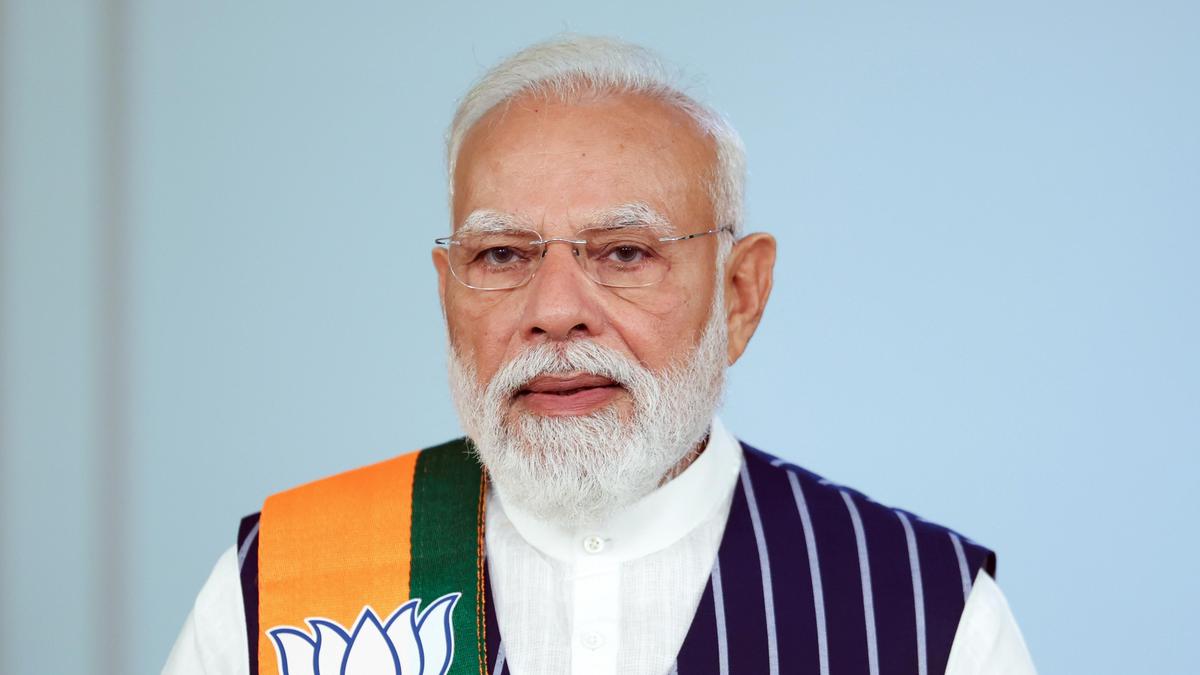
modis first zealand visit:
Prime Minister Narendra Modi is set to make his first official visit to New Zealand, marking a significant milestone in bilateral relations between the two countries. The visit is expected to focus on accelerating negotiations for a long-awaited Free Trade Agreement (FTA), while expanding cooperation in trade, investment, education, technology, agriculture and Indo-Pacific security.
PM Modi’s Maiden New Zealand Visit Signals New Phase in Bilateral Relations
In a landmark diplomatic development, New Zealand has announced that Indian Prime Minister Narendra Modi will undertake his first official visit to the country, underscoring the growing strategic importance of India-New Zealand relations. The high-profile visit comes as both nations seek to deepen economic cooperation and bring negotiations for a comprehensive Free Trade Agreement (FTA) closer to completion.
The visit is expected to represent one of the most significant engagements between the two countries in recent years and reflects their shared commitment to expanding cooperation across trade, investment, education, innovation, renewable energy, agriculture, defence and regional security.
Government officials from both countries believe the visit could pave the way for a new chapter in bilateral relations by unlocking substantial economic opportunities while strengthening strategic ties in the Indo-Pacific region.
FTA Negotiations to Dominate Discussions: The proposed Free Trade Agreement is expected to be the centrepiece of Prime Minister Modi’s discussions with New Zealand Prime Minister Christopher Luxon and senior government leaders.
Negotiations over an India-New Zealand FTA have witnessed periods of slow progress in the past due to differences over market access, agricultural products and dairy exports. However, renewed political momentum has revived optimism that both countries can bridge outstanding differences.
The agreement is expected to:
- Increase bilateral trade volumes
- Reduce tariffs on a wide range of products
- Improve market access for businesses
- Promote investment flows
- Enhance cooperation in digital trade
- Strengthen supply chain resilience
- Facilitate easier movement of professionals and skilled workers
Officials on both sides believe the agreement could significantly boost economic activity and diversify trade partnerships amid changing global economic conditions.
Economic Relations Continue to Expand: Although India and New Zealand have maintained cordial diplomatic relations for decades, economic engagement has remained below its full potential.
India is one of the world’s fastest-growing major economies, while New Zealand possesses globally competitive strengths in agriculture, food processing, dairy technology, education and sustainable farming.
Trade between the two countries has steadily grown over recent years, covering sectors such as:
- Pharmaceuticals
- Information technology
- Agricultural products
- Wool
- Dairy technology
- Engineering goods
- Education services
- Tourism
Business leaders in both countries have consistently called for an FTA to eliminate trade barriers and improve commercial opportunities.
Boost for Indian Businesses: Indian exporters could benefit substantially from improved access to the New Zealand market.
Key sectors expected to gain include:
- Pharmaceuticals
- Textiles
- Information Technology services
- Engineering products
- Automotive components
- Chemicals
- Renewable energy equipment
- Processed food
Similarly, New Zealand hopes for improved access for its agricultural products, horticulture, dairy technology and premium food exports.
Education and Skilled Workforce Cooperation : Education remains one of the strongest pillars of India-New Zealand relations.
Thousands of Indian students pursue higher education in New Zealand every year, making Indians among the country’s largest international student communities.
Both governments are expected to discuss:
- Student mobility
- Academic partnerships
- Research collaborations
- Innovation exchanges
- Skill development
- Mutual recognition of qualifications
Universities from both countries have already expanded cooperation in science, engineering, artificial intelligence and climate research.
Technology and Innovation Partnerships: Technology cooperation is expected to feature prominently during the visit.
Areas under discussion may include:
- Artificial Intelligence
- Cybersecurity
- Digital governance
- Space cooperation
- FinTech
- AgriTech
- Biotechnology
- Startup ecosystems
India’s rapidly growing digital economy and New Zealand’s advanced innovation ecosystem offer opportunities for joint research and commercial collaboration.
Agriculture Remains a Sensitive Area: Agriculture has historically been the most challenging aspect of FTA negotiations.
New Zealand is among the world’s largest dairy exporters, while India’s dairy industry supports millions of small farmers.
Negotiators are expected to continue discussions aimed at balancing commercial interests while protecting sensitive domestic sectors.
Experts suggest that creative solutions involving phased tariff reductions and safeguard mechanisms could help overcome remaining obstacles.
Growing Indo-Pacific Cooperation: The visit also comes amid increasing geopolitical attention on the Indo-Pacific region.
India and New Zealand share interests in:
- Freedom of navigation
- Rules-based international order
- Maritime security
- Disaster response
- Climate resilience
- Regional stability
Security cooperation has steadily expanded through dialogue and participation in regional forums.
Indian Diaspora Strengthens Bilateral Ties: The Indian community represents one of New Zealand’s fastest-growing ethnic groups and has emerged as an important bridge between the two nations.
The diaspora has made significant contributions across:
- Business
- Healthcare
- Information Technology
- Education
- Hospitality
- Public service
Prime Minister Modi is also expected to interact with members of the Indian community during his visit.
Tourism Expected to Receive Fresh Momentum: Both countries are working to encourage greater tourism and people-to-people exchanges.
Improved connectivity, simplified travel arrangements and enhanced cultural cooperation are expected to receive attention during bilateral discussions.
The tourism sector anticipates stronger visitor flows in both directions if trade and economic relations continue to deepen.
Business Community Welcomes the Visit: Industry organisations in both India and New Zealand have welcomed the announcement, describing it as an opportunity to unlock untapped commercial potential.
Business leaders believe stronger government support could encourage:
- Joint ventures
- Startup investments
- Infrastructure cooperation
- Agricultural technology partnerships
- Green energy projects
- Digital commerce
Companies from both countries are expected to participate in business forums alongside the official visit.
A Defining Moment for India-New Zealand Relations: Prime Minister Narendra Modi’s first official visit to New Zealand is widely viewed as a landmark moment that could redefine bilateral relations for the coming decade.
Beyond the symbolic significance of the visit, the emphasis on concluding a Free Trade Agreement demonstrates both governments’ commitment to expanding economic cooperation while strengthening strategic engagement across multiple sectors.
If negotiations progress successfully, the visit could lay the foundation for substantially higher trade volumes, greater investment, stronger educational partnerships and deeper cooperation on regional and global challenges.
Prime Minister Modi’s maiden visit to New Zealand reflects India’s growing diplomatic outreach toward key Indo-Pacific partners while highlighting New Zealand’s increasing interest in engaging with one of the world’s largest and fastest-growing economies. Although agriculture—particularly dairy—remains the most sensitive issue in Free Trade Agreement negotiations, both nations have strong incentives to reach a balanced deal. A successful FTA would not only expand bilateral trade but also strengthen collaboration in technology, education, renewable energy, supply chains and regional security, making the visit potentially one of the most consequential milestones in India-New Zealand relations in recent years.