Europe warns of Russia’s hybrid attacks but struggles to counter them
  Former chief election commissioner calls SIR scheme illegal.
  A Corruption Scandal Is Reshaping Brazil’s Presidential Election
  US citizen injured in Illinois after ICE agents mistook him for fugitive, tried to arrest him
  At 10 years old, Smithsonian’s Black museum is undaunted amid pressure from Trump administration
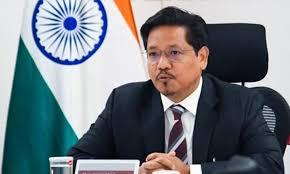
 Meghalaya’s Delicate Balance: Tribal and Non-Tribal Tensions Intensify as GHADC Polls are Put on Hold
meghalayas delicate balance tribal:
The northeastern state of Meghalaya is grappling with escalating tensions between tribal and non-tribal communities, prompting the authorities to postpone the highly anticipated elections to the Garo Hills Autonomous District Council (GHADC). This decision reflects the growing concerns about maintaining law and order in the region, where long-standing disputes over voting rights, political representation, and community identity have reached a boiling point.
At the heart of the conflict lies the contentious issue of eligibility of non-tribal residents to participate in elections and governance within autonomous district councils. Tribal organizations argue that these councils were established to safeguard the rights, land, and cultural heritage of indigenous communities, and that non-tribal residents should not be granted voting rights. On the other hand, non-tribal groups, who have lived in the region for decades, claim that they should not be excluded from democratic processes, citing their long-standing presence and contributions to the community.
The Garo Hills Autonomous District Council holds significant importance as one of the key autonomous institutions created under the Sixth Schedule of the Constitution of India. These councils were designed to provide tribal communities with a substantial degree of self-governance in certain northeastern states, including Meghalaya. The GHADC is empowered to manage land, oversee local governance, preserve cultural heritage, and regulate traditional institutions, making it a crucial institution in safeguarding tribal rights.
The recent weeks have witnessed a surge in protests, demonstrations, and heated political debates in the state, with both tribal and non-tribal groups taking to the streets to voice their concerns. Tribal organizations fear that granting voting rights to non-tribal residents could erode the constitutional protections designed for indigenous communities, while non-tribal groups argue that denying them political participation would be discriminatory and undermine democratic principles.
The authorities’ decision to postpone the GHADC elections comes after a thorough review of the security situation and consultations with local stakeholders. The move is aimed at preventing potential unrest and ensuring that the elections, when held, take place in a peaceful and orderly manner. Security forces have increased monitoring in sensitive areas to maintain law and order, and the government has called for dialogue between community leaders and government authorities to resolve the dispute.
The reactions to the postponement have been mixed, with some tribal organizations welcoming the decision as an opportunity to address their concerns, while representatives of non-tribal groups have expressed disappointment, arguing that the delay could prolong uncertainty and deepen divisions. Political observers believe that the issue highlights the complex social dynamics of Meghalaya’s diverse population, where ethnic identity and land rights are intricately linked to governance.
The tensions in Garo Hills reflect broader challenges faced by northeastern states, where indigenous communities seek to preserve their cultural and political autonomy. The Sixth Schedule system, designed to protect tribal interests, often creates debates about inclusion, citizenship rights, and political representation. Experts believe that resolving such disputes requires a delicate balancing act, taking into account the rights of indigenous communities, democratic participation, and social harmony among different communities.
The Government of Meghalaya has urged all groups to maintain peace and participate in discussions aimed at resolving the dispute. The goal is to find a solution that respects constitutional provisions while ensuring fairness and stability in the region. Community leaders are expected to hold consultations in the coming weeks to explore possible compromises, and the government has appealed to all stakeholders to work towards a peaceful and inclusive solution. As the state navigates this delicate balance, it is clear that the road ahead will require careful negotiation, dialogue, and a deep understanding of the complex social dynamics at play.