Europe warns of Russia’s hybrid attacks but struggles to counter them
  Former chief election commissioner calls SIR scheme illegal.
  A Corruption Scandal Is Reshaping Brazil’s Presidential Election
  US citizen injured in Illinois after ICE agents mistook him for fugitive, tried to arrest him
  At 10 years old, Smithsonian’s Black museum is undaunted amid pressure from Trump administration
 Karnataka Lokayukta Orders Probe into PDS Irregularities, Sets Up High-Level Committee for Systemic Reforms
📌 News Highlights
- Karnataka Lokayukta has ordered a probe into alleged irregularities in the Public Distribution System (PDS).
- A high-level committee has been constituted to recommend systemic reforms.
- Statewide inspections revealed possible lapses in the distribution of essential commodities.
- The probe aims to improve transparency, accountability, and beneficiary protection.
- Technology-driven reforms for monitoring and grievance redressal are under consideration.
The Karnataka Lokayukta has ordered an extensive probe into alleged irregularities in the distribution of essential commodities under the Public Distribution System (PDS) and has constituted a high-level committee to recommend long-term systemic reforms. The move comes amid growing concerns over leakages, diversion of food grains, and administrative lapses affecting beneficiaries across the state.
The decision marks one of the most significant interventions by the anti-corruption watchdog in Karnataka’s food distribution network, which serves millions of economically vulnerable households through subsidized essential commodities.
What Triggered the Lokayukta Probe?
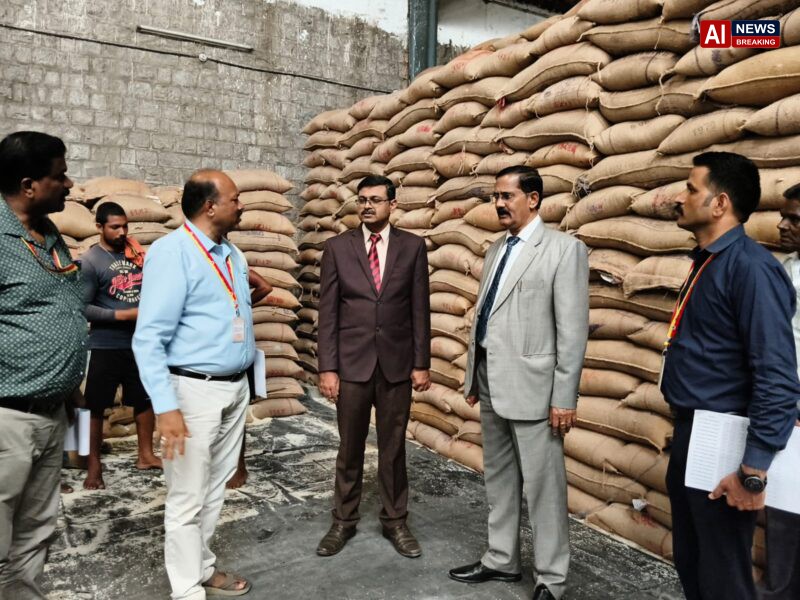
The investigation was initiated following large-scale inspections conducted by the Karnataka Lokayukta at multiple warehouses, wholesale distribution centers, and fair price shops across Bengaluru Urban and Bengaluru Rural districts. Preliminary findings reportedly revealed serious deficiencies in inventory management, beneficiary verification processes, and supply chain monitoring.
Justice B.S. Patil, who heads the Karnataka Lokayukta, took suo motu cognisance of the alleged irregularities and ordered a detailed inquiry into the functioning of the Public Distribution System.
The inspections focused on facilities operated by the Karnataka Food and Civil Supplies Corporation and various distribution outlets responsible for supplying food grains and other essential commodities to beneficiaries under government welfare schemes.
High-Level Committee to Recommend Reforms
Recognising that the issues extend beyond isolated incidents of malpractice, the Lokayukta has established a high-level committee tasked with identifying structural weaknesses within the Public Distribution System.
The committee’s mandate includes:
- Reviewing existing PDS distribution mechanisms.
- Identifying administrative and technological gaps.
- Recommending measures to prevent diversion of essential commodities.
- Improving transparency and accountability.
- Strengthening grievance redressal mechanisms.
- Suggesting technology-driven reforms for beneficiary authentication and monitoring.
The committee is expected to submit comprehensive recommendations aimed at modernising Karnataka’s food distribution framework.
Alleged Irregularities in the Public Distribution System
The Public Distribution System is one of India’s largest welfare programmes and plays a crucial role in ensuring food security for millions of households.
According to officials familiar with the inspections, several areas of concern have emerged, including:
- Possible diversion of subsidised food grains.
- Inadequate monitoring of stock movement.
- Poor maintenance of distribution records.
- Administrative lapses at warehouses and fair price shops.
- Weak beneficiary verification mechanisms.
- Delays in grievance resolution.
Authorities are now examining whether these irregularities represent isolated incidents or indicate broader systemic issues within the state’s PDS infrastructure.
Importance of the Public Distribution System
The Public Distribution System remains one of the most important social welfare initiatives in India. Through subsidised distribution of rice, wheat, pulses, sugar, and other essential commodities, the programme supports economically disadvantaged families and contributes significantly to food security.
In Karnataka, millions of beneficiaries rely on the system for their monthly household requirements. Any disruption or irregularity in distribution can directly impact vulnerable sections of society.
Ensuring that subsidised commodities reach their intended beneficiaries is therefore critical not only from an administrative perspective but also from a social justice standpoint.
Technology and Transparency May Be Key
Experts believe that technology could play a crucial role in addressing long-standing challenges within the Public Distribution System.
Potential reforms being discussed include:
- Real-time digital inventory tracking.
- GPS-enabled transportation monitoring.
- Biometric beneficiary authentication.
- Automated stock auditing systems.
- Centralised grievance redressal portals.
- AI-based anomaly detection for supply chain monitoring.
Several Indian states have successfully adopted technology-driven reforms in their ration distribution systems, significantly reducing leakages and improving transparency.
The Lokayukta’s recommendations could potentially pave the way for similar innovations in Karnataka.
Accountability and Governance
Justice B.S. Patil has emphasised the need for institutional accountability in welfare delivery systems. The investigation is expected to determine whether any government officials or distribution agencies failed to comply with existing regulations and operational standards.
Officials involved in the probe will examine:
- Warehouse operations.
- Procurement and distribution procedures.
- Record maintenance practices.
- Compliance with food security regulations.
- Internal monitoring mechanisms.
If violations are established, appropriate administrative or legal action may follow in accordance with existing laws.
Broader Implications for Welfare Delivery
The Karnataka Lokayukta’s intervention highlights the increasing emphasis on transparency and accountability in government welfare programmes.
The findings and recommendations emerging from the probe could influence policy discussions not only in Karnataka but also across other states facing similar challenges in food distribution systems.
Public welfare schemes are most effective when supported by strong institutional mechanisms that ensure benefits are delivered efficiently and equitably. Strengthening the Public Distribution System therefore remains essential to improving governance outcomes and protecting beneficiary rights.
What Happens Next?
The high-level committee is expected to conduct a comprehensive review of existing PDS operations and submit its recommendations after consulting stakeholders and examining current practices.
Meanwhile, Lokayukta officials will continue their investigations into the alleged irregularities uncovered during the inspections.
The outcome of the probe could lead to:
- Major administrative reforms.
- Enhanced monitoring systems.
- Improved beneficiary protections.
- Greater transparency in food grain distribution.
- Strengthened anti-corruption mechanisms within the PDS framework.
The Karnataka government’s response to the committee’s recommendations will be closely watched, particularly given the Public Distribution System’s importance in ensuring food security for millions of citizens.
AI Insight: The Karnataka Lokayukta’s probe underscores the growing importance of transparency and technological integration in public welfare programmes. As governments increasingly digitise welfare delivery systems, robust monitoring mechanisms will become indispensable in preventing leakages and ensuring that subsidies reach the intended beneficiaries. Structural reforms arising from this investigation could serve as a model for strengthening food security programmes across India.