 Families Urge Trump to Press Xi to Free Americans Detained in China
  After Jamui, another minor girl molested in Bihar’s Samastipur
  Australia Investigates OpenAI Hack on Public Health Care Site
  Tech leaders to UN: For the sake of humanity, please control the AI technology we created
  Gulf nations have found ways to keep oil flowing
 Iran War LIVE: Tehran Claims US-Israel Strikes Hit Nearly 10,000 Civilian Sites, Over 1,300 Dead
iran tehran claims usisrael:
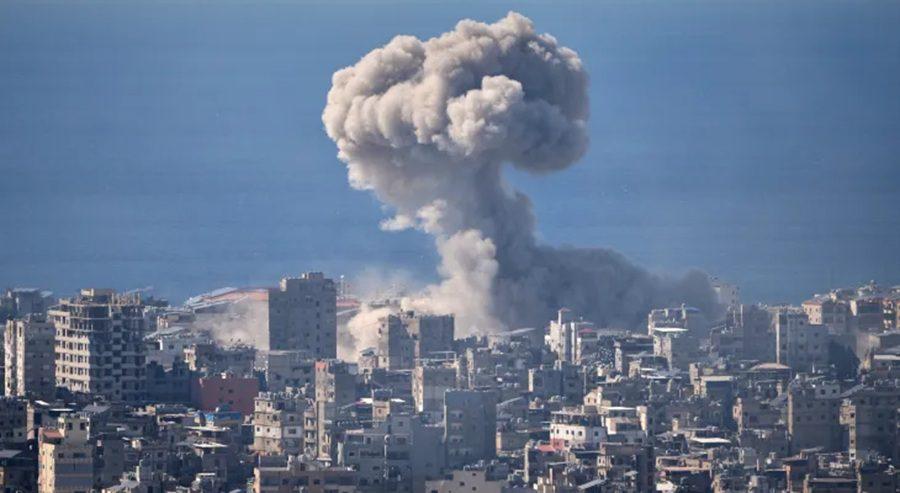
The ongoing war involving Iran, the United States, and Israel has intensified, with Tehran accusing Washington and Tel Aviv of targeting thousands of civilian locations across the country. According to Iranian officials, nearly 10,000 civilian sites have been struck since the conflict began in late February, causing widespread destruction and a rising death toll.
Iran’s envoy to the United Nations, Amir Saeid Iravani, said the attacks have killed more than 1,300 civilians and destroyed or damaged thousands of homes, businesses, and public facilities.
The claims came as explosions were reported in multiple Iranian cities and the conflict entered its second week, raising fears of a wider regional war across the Middle East.
Tehran Accuses US and Israel of Targeting Civilian Infrastructure
Iranian authorities say the strikes have hit residential areas and critical infrastructure rather than purely military targets. According to Tehran’s official figures, 9,669 civilian sites have been destroyed or damaged in the attacks.
These reportedly include:
- 7,943 residential homes
- 1,617 commercial and service centers
- 32 medical and pharmaceutical facilities
- 65 schools and educational institutions
- 13 buildings belonging to the Iranian Red Crescent
Iranian officials argue that these strikes demonstrate a pattern of targeting civilian infrastructure. Tehran has accused the United States and Israel of violating international humanitarian law.
Iran has called on international organizations and humanitarian agencies to intervene and prevent further harm to civilians.
Hospitals and Medical Facilities Damaged
The war has also affected Iran’s healthcare system. According to Iranian authorities, several hospitals and medical facilities have been damaged during air raids and explosions.
Reports indicate that at least 29 healthcare facilities have been damaged, while 10 medical centers are currently out of service. Patients from some affected hospitals have been relocated to nearby facilities.
Medical authorities said that more than 670 surgeries have been carried out in recent days to treat those injured during the conflict.
In addition, healthcare workers have also suffered casualties, with several doctors, nurses, and emergency responders reportedly killed or injured.
Rising Civilian Casualties
Iran says civilian casualties continue to rise as the bombardment continues. According to the Iranian government’s figures, more than 1,300 civilians have died since the start of the war.
The casualties include people living in densely populated residential areas where explosions and missile strikes have occurred. Iranian officials claim that the strikes have also affected fuel storage facilities and other infrastructure, creating environmental hazards and air pollution in certain regions.
However, the Israeli military has not confirmed these civilian casualty figures. Israeli officials say their operations are primarily targeting Iranian military infrastructure and command centers.
US and Israel Continue Military Operations
The United States and Israel have continued military operations in the region as part of their campaign against Iranian military assets.
The Israel Defense Forces (IDF) has said it carried out multiple waves of strikes on targets in Iranian cities including Tehran and Tabriz, focusing on military command centers and strategic facilities.
Meanwhile, the United States military has also been active in the region. US officials said American forces destroyed 16 Iranian mine-laying vessels amid concerns that Iran might attempt to block oil shipments through the Strait of Hormuz, one of the world’s most important oil shipping routes.
Washington has warned Tehran against disrupting maritime traffic in the Gulf, saying such a move would trigger a strong response.
Iran Launches Missile and Drone Attacks
Iran has also stepped up its retaliation against Israel and US-linked targets in the Middle East. The Islamic Revolutionary Guard Corps (IRGC) claims it has launched multiple waves of missile and drone strikes on Israeli cities and US bases in the region.
Iranian forces say they targeted locations including Tel Aviv, Haifa, and Jerusalem, as well as US military installations in Erbil in Iraq and Manama in Bahrain.
Iran’s military leadership has vowed to continue attacks until its objectives are achieved, warning that the war could expand if foreign forces increase pressure on the country.
Regional Impact and Global Concerns
The conflict has already begun to affect the broader Middle East. Military activity has been reported in several countries, and there are concerns about possible spillover into neighboring states.
Oil markets have also been closely watching developments around the Strait of Hormuz, through which roughly one-fifth of the world’s oil supply passes. Any disruption to shipping in the region could significantly impact global energy prices.
International diplomats have called for restraint and urged all sides to avoid actions that could lead to a broader regional war.
Growing Humanitarian Crisis
Humanitarian groups warn that the conflict is rapidly becoming a major crisis for civilians in Iran and across the region.
Damage to homes, schools, and hospitals has forced many families to flee affected areas. Emergency services are struggling to cope with the number of injured people requiring treatment.
Aid organizations have appealed for safe corridors to deliver medical supplies and humanitarian assistance to those affected by the fighting.